
A Shoemaker Bought a Used Uniform and Took Over a Town Hall
In October 1906, Wilhelm Voigt, a shoemaker and ex-convict, put on a captain's uniform pieced together from second-hand shops, stopped soldiers in the street and marched them into the town hall of Köpenick near Berlin. He arrested the mayor, had the town's cash handed over and walked off with it. He was soon caught and sentenced, then pardoned - the 'Captain of Köpenick'.

In this dossier (9 chapters) ▾
Historical Dossier: The Captain of Köpenick Location: Köpenick and Berlin, Kingdom of Prussia, German Empire | Year: 1906–1908 | Key Figures: Wilhelm Voigt, Mayor Georg Langerhans, Treasurer von Wiltberg, Kaiser Wilhelm II
A Man the Empire Had No Use For
Friedrich Wilhelm Voigt was born on 13 February 1849 in Tilsit, in East Prussia. He was a shoemaker’s apprentice who had fallen into crime young: at fourteen, in 1863, he received a fourteen-day sentence for theft, and was expelled from school. Between 1864 and 1891 he piled up convictions for theft, forgery and burglary that added up to about 25 years behind bars. His longest single sentence, fifteen years, followed a failed burglary of a court cashier’s office.
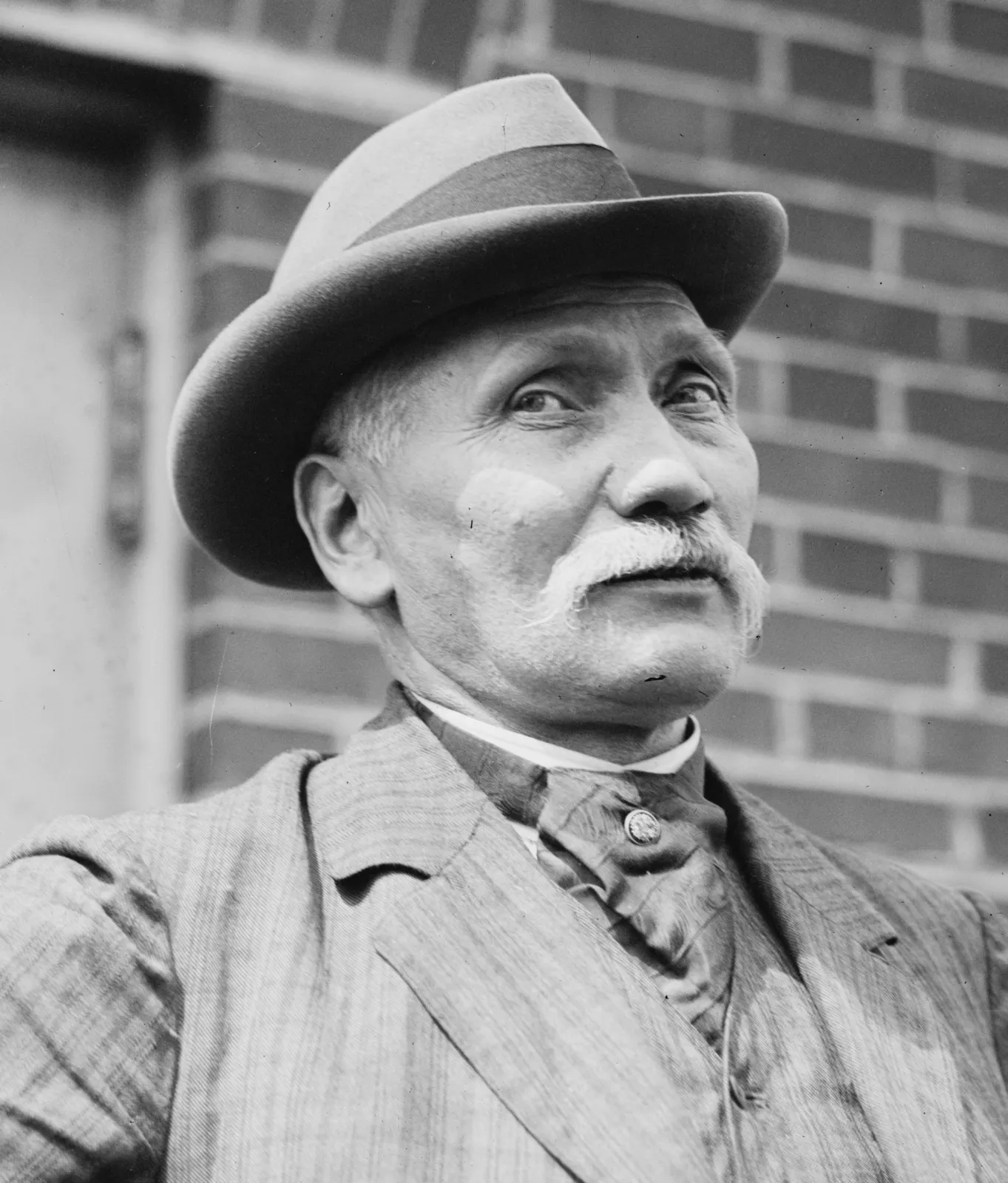
He walked out of prison on 12 February 1906 and tried to start again. He found work with a respectable Berlin shoemaker, but the police of the Prussian capital would not let him stay. On 24 August 1906 they expelled him from Berlin as an undesirable ex-convict. Without a residence permit he could not get a legitimate job, and without a job he could not get a residence permit. It was a trap built from paperwork. Voigt stayed illegally and unregistered, and what he decided to do next was an answer, in its way, to a state that ran on papers, uniforms and obedience.
Building a Captain
Voigt understood something about the German Empire of his day: a uniform commanded more obedience than any law. Over several weeks he assembled the components of a Prussian Guards captain’s uniform from used-clothing shops, a piece at a time. He then tested what the costume could do, watching how soldiers reacted when he wore it.
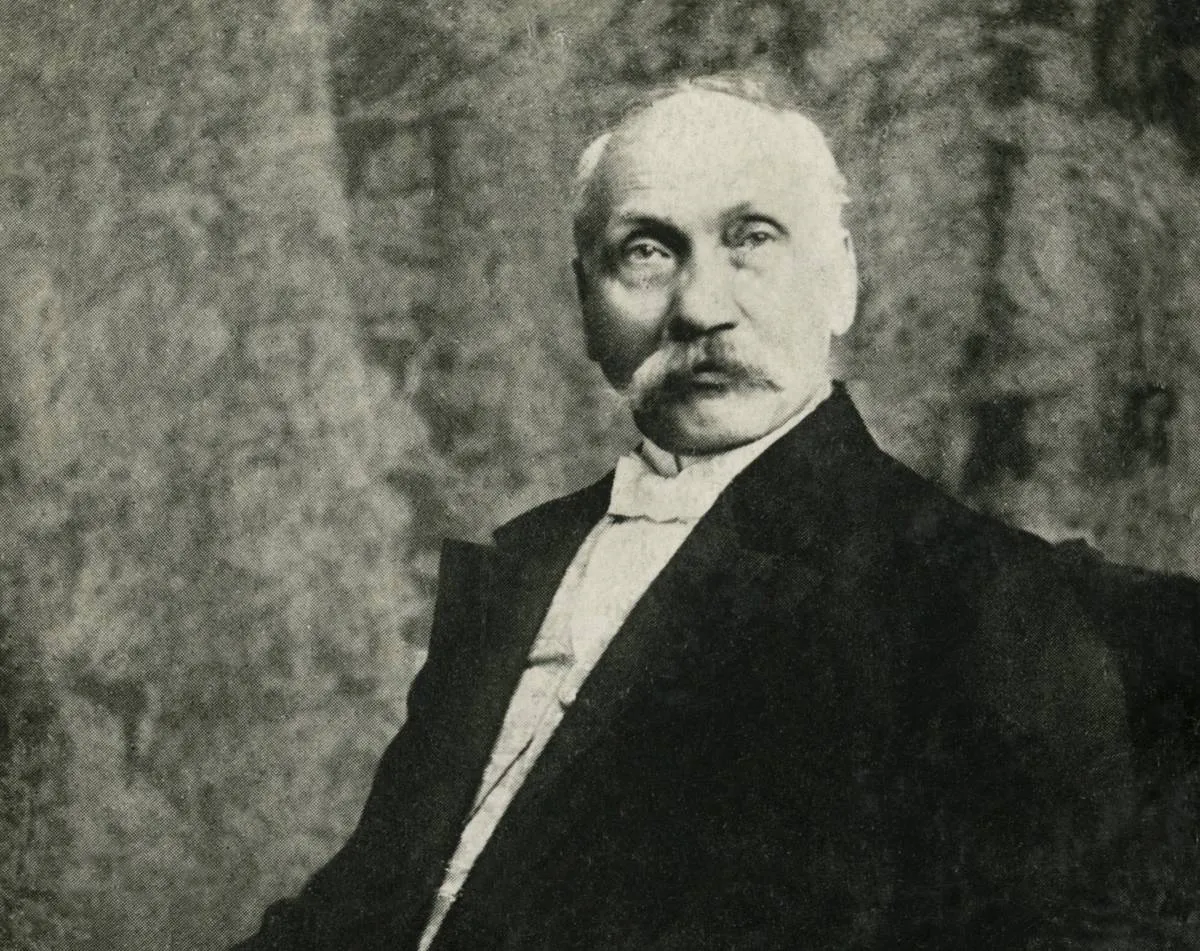
The result of those tests became the plan. A man in the right uniform could order soldiers around, and the soldiers would assume that someone higher up had authorised him. All Voigt needed was the nerve to give the orders.
16 October 1906
On 16 October 1906 Voigt put on the assembled uniform and went to a barracks near Berlin. As the Wikipedia account of the episode puts it, he “stopped four grenadiers and a sergeant on their way back to barracks and told them to come with him and they followed.” He then sent the sergeant away and commandeered six more soldiers from a shooting range, and took the whole squad by train to Köpenick, a town east of Berlin.
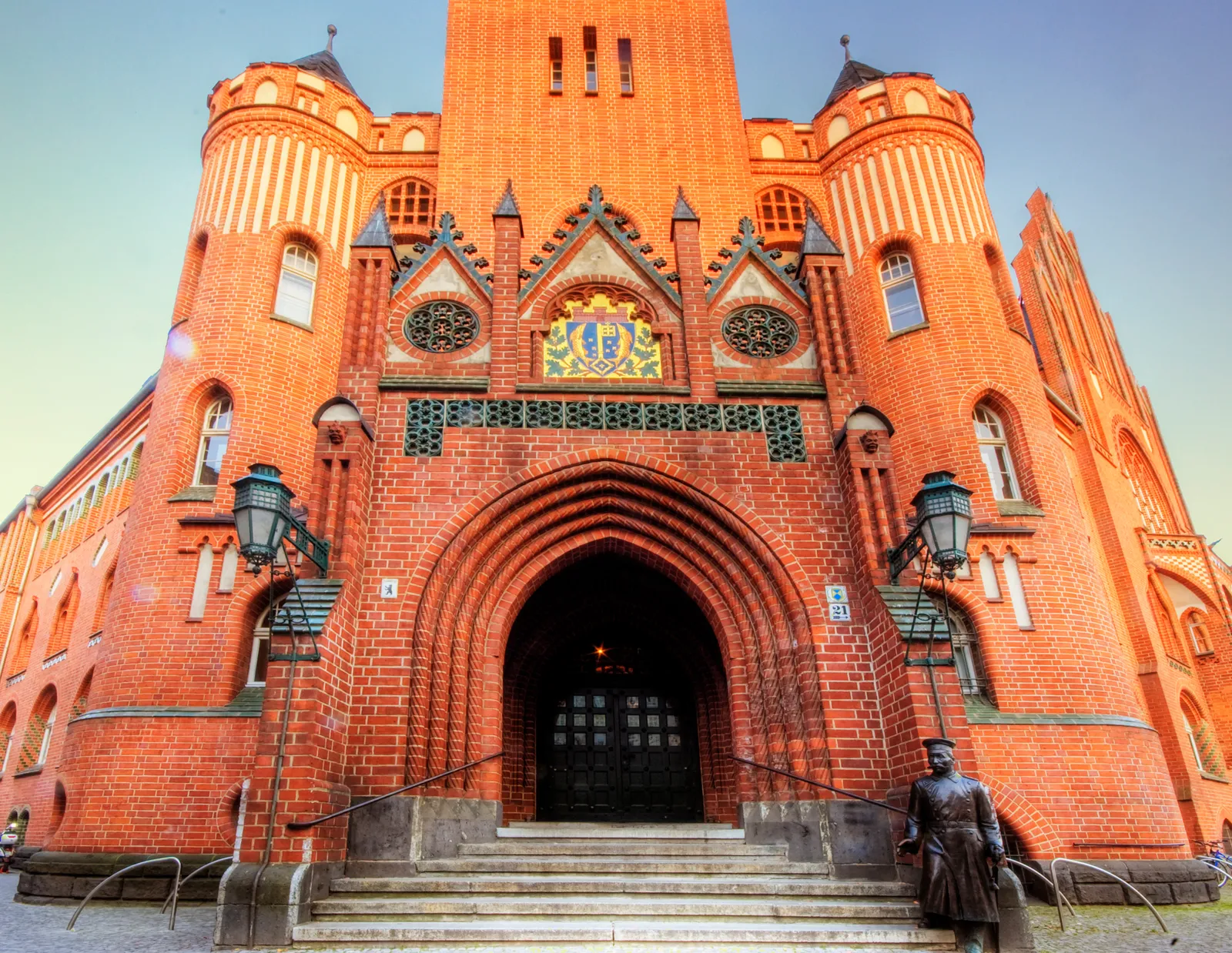
At the town hall he put guards on every exit. He told the local police to “care for law and order” and had men sent to the post office with orders to “prevent calls to Berlin for one hour.” Then he arrested the treasurer, von Wiltberg, and the mayor, Georg Langerhans, on a charge of corruption that he made up. From the town treasury he took 4,002 marks and 37 pfennigs. He even wrote out a receipt for the money, signed with the name of his former prison warden.
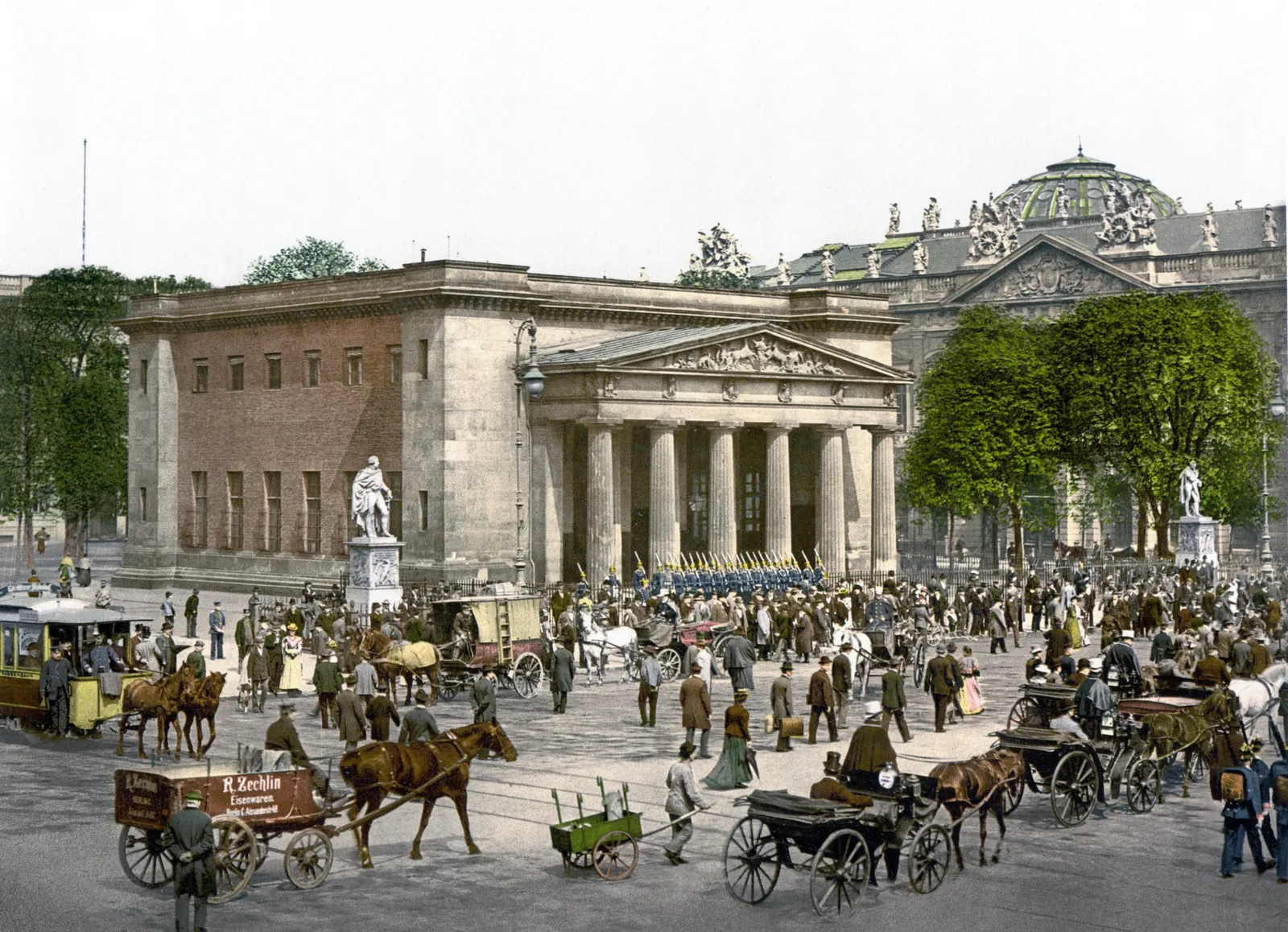
Voigt had two carriages commandeered to take the arrested officials to the Neue Wache in Berlin for questioning. Then he changed into ordinary clothes and walked away with the money. For an hour, a town of the German Empire had been run by a man with a second-hand coat and an air of authority.
The Capture and the Laugh
The theft made Voigt famous within hours, and it took only ten days to end his freedom. He was arrested on 26 October 1906, after a former cellmate told the police in the hope of a reward. At his trial on 1 December the court sentenced him to four years for forgery, impersonating an officer and false imprisonment.
By then the public mood had turned. Germans were used to treating the army with awe, and many found the story of a shoemaker marching soldiers into a town hall irresistibly funny. Wilhelm II, the Kaiser, pardoned Voigt on 16 August 1908. According to accounts that circulated afterwards, the Kaiser was amused and called him “an amiable scoundrel”, though that remark comes from later retellings and not from an official record.
A Celebrity With No Country
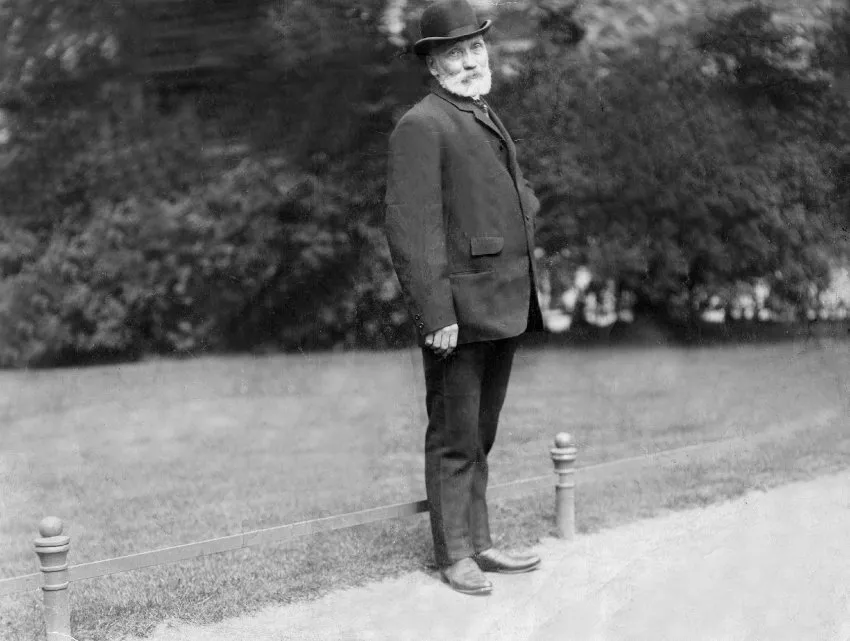
Freedom did not fix Voigt’s situation, but fame gave him an income. His wax figure was on show in a Berlin museum four days after his release, though officials banned his own public appearances that same day. He performed in theatres in Dresden, Vienna and Budapest, and in 1909 he published a memoir, How I became the Captain of Köpenick, in Leipzig.
He then moved abroad. In 1910 he entered the United States by way of Canada, where he had at first been refused a visa, and a waxwork of him appeared at Madame Tussaud’s in London. He settled in Luxembourg in 1910, working as a waiter and a shoemaker, and received a pension from a wealthy Berlin widow who admired him. He died of influenza in Luxembourg City on 3 January 1922, aged 72.
Why the Story Survives
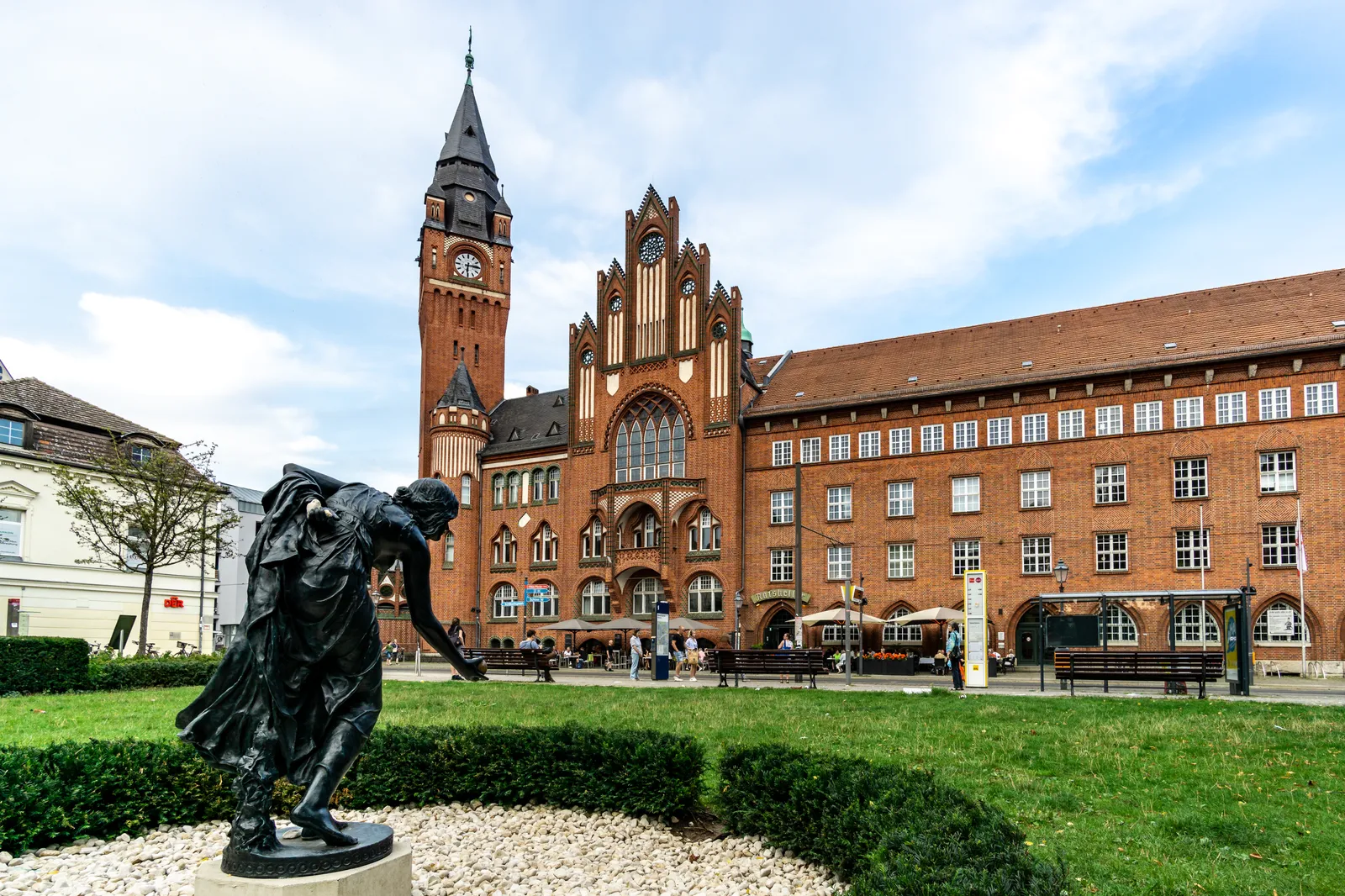
The Captain of Köpenick lives on because it points at something larger than a prank. Carl Zuckmayer’s 1931 play The Captain of Köpenick made Voigt a symbol of a society that obeyed uniforms and rubber stamps over people. Later films, starring Albert Bassermann in 1945 and Heinz Rühmann in 1956, kept the story in the public mind. Today the town hall in Köpenick still stands, and the Treptow-Köpenick museums keep an exhibition on the case.
Voigt never claimed to be a hero. He was a man the system had cornered, who found that the system could be fooled by a coat. That is the lesson his contemporaries took from him, and it is why the case still gets retold.
What the Record Shows
12 sourced claims in this story, resting on 10 sources. Numbers link to the bibliography below.
- In October 1906, the shoemaker Wilhelm Voigt, wearing a captain’s uniform, took over the town hall of Köpenick near Berlin - sources: 4, 8
- Voigt pieced together the uniform of a captain from several used-clothes stores - sources: 2, 1
- Voigt had been in and out of prison for many years - sources: 8, 6, 5
- Voigt pieced together the uniform of a captain from several used-clothes stores - sources: 2, 1
- Voigt stopped soldiers in the street and ordered them to follow him, and they followed him - sources: 2, 5, 1
- Voigt led the soldiers to the town hall, arrested the mayor and had the town’s cash handed over to him - sources: 3, 5, 4, 7
- Voigt departed with the money - sources: 3, 1, 6
- Voigt was soon arrested and sentenced to prison - sources: 5, 9, 10
- Kaiser Wilhelm II was reported to have been amused by the incident - sources: 5, 6, 1
- Voigt was pardoned - sources: 5, 6, 1
- A shoemaker wearing a captain’s uniform took over the town hall of Köpenick - sources: 4, 8
- Voigt pieced together the uniform of a captain from several used-clothes stores - sources: 2, 1
Archival Evidence & Picture Credits
Every image on this page was checked against its Wikimedia Commons file page.
- Wilhelm Voigt, the shoemaker who became known as the Captain of Köpenick (Wikimedia Commons) - Wikimedia Commons file page
- Wilhelm Voigt in a formal tailcoat, from the years of his celebrity (Wikimedia Commons) - Wikimedia Commons file page
- The Neue Wache in Berlin around 1900, where Voigt said he would send the arrested officials for questioning (Wikimedia Commons) - Wikimedia Commons file page
- The Köpenick town hall, seized by Voigt on 16 October 1906 (Wikimedia Commons) - Wikimedia Commons file page
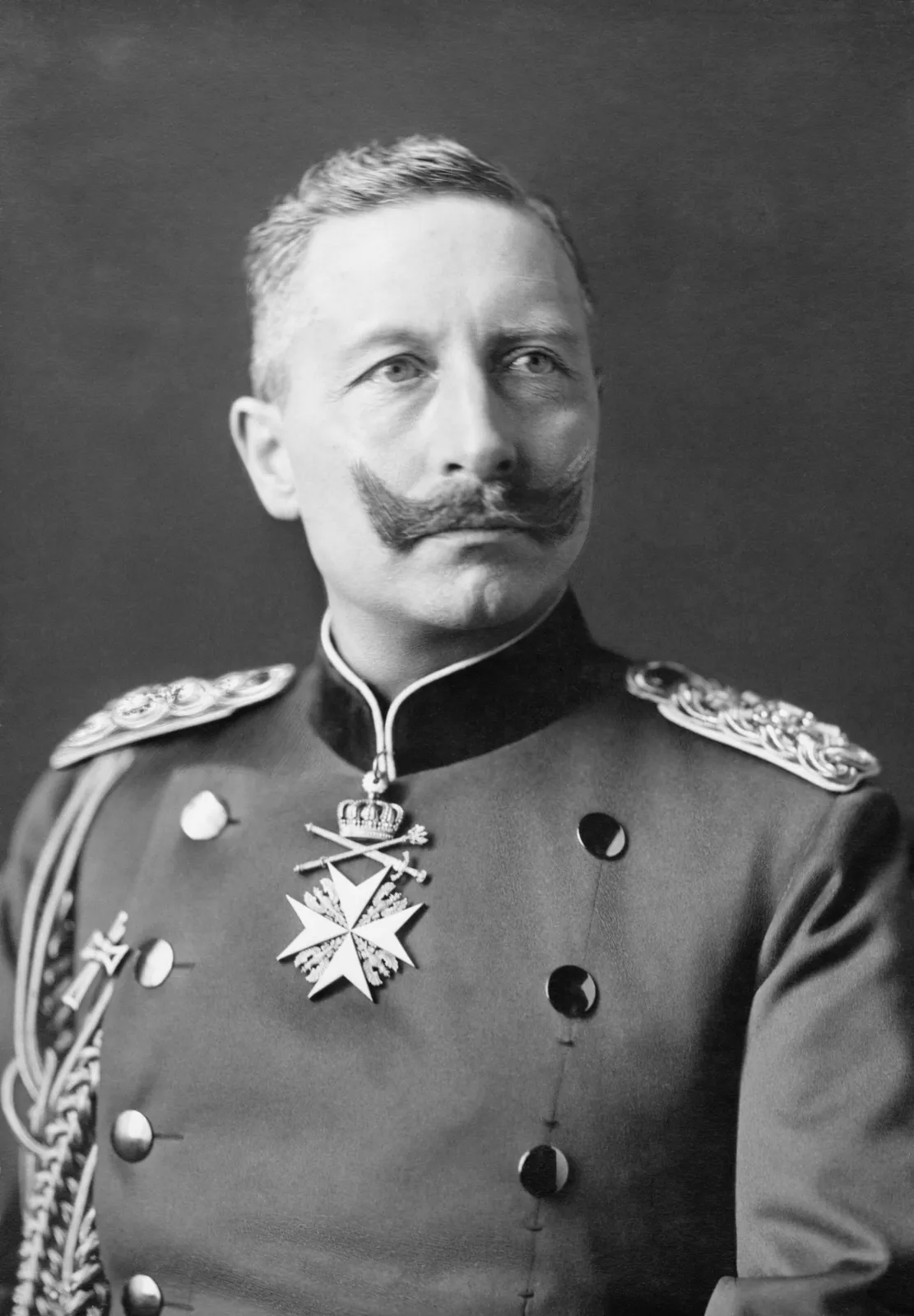
- Kaiser Wilhelm II, who pardoned Voigt in August 1908 (Wikimedia Commons) - Wikimedia Commons file page
- Wilhelm Voigt photographed after his release from prison (Wikimedia Commons) - Wikimedia Commons file page
- Köpenick town hall as it looks today (Wikimedia Commons) - Wikimedia Commons file page


Verified Archival Sources & Bibliography
Every claim in this account has been fact-checked against primary archives and scholarly repositories:
- Wikipedia: Wilhelm Voigt (reference)
- Oxford University Press: Militarism and radical nationalism (book)
- Brill: The ‘Captain of Köpenick’ and the Transformation of German Criminal Justice, 1891-1914 (book)
- Museen Treptow-Köpenick (berlin.de): Der Hauptmann von Köpenick - Vom Sträfling zur Legende (primary)
- HistoryNet: ‘Captain of Köpenick’ (news)
- Deutschlandmuseum: The Captain of Köpenick (primary)
- visitBerlin: Rathaus Köpenick (primary)
- New-York Tribune, April 8, 1910 (Library of Congress, Chronicling America) (primary)
- The River Press (Fort Benton, Mont.), February 20, 1907 (Library of Congress, Chronicling America) (primary)
- The San Francisco Call, October 20, 1912 (Library of Congress, Chronicling America) (primary)
Echoes of History Uncut. "A Shoemaker Bought a Used Uniform and Took Over a Town Hall." Echoes of History Uncut. Last modified September 23, 2026. https://echoesofhistoryuncut.com/articles/captain-of-kopenick-1906/.

An independent history publication using AI-assisted research, drafting and production. Consult each article’s citations and limitations; source inclusion does not establish independent verification of every claim.
▶
Watch the Complete Archival Documentary on YouTube
Subscribe to Echoes of History Uncut on YouTube for full widescreen 16:9 documentaries, primary archival footage, and declassified deep dives.