
Their Ship Sank in Antarctic Ice. Then a Miracle Gunboat Arrived.
In February 1903, the Swedish South Polar Expedition was struck by catastrophe when their ship, the Antarctic, was crushed by pack ice in the Weddell Sea. Stranded thousands of miles from civilization, twenty-five men were fractured into three isolated groups across Snow Hill Island, Hope Bay, and Paulet Island. With zero communication and presumed lost by the world, they survived brutal polar winters in crude stone huts on a diet of penguins and seals. Defying the deadly ice, Lieutenant Commander Julián Irízar and the Argentine Navy steamed into the frozen seas aboard the thirty-year-old corvette ARA Uruguay. In an astonishing feat of polar navigation, they located every scattered outpost and brought all twenty-five men home alive.

In this dossier (13 chapters) ▾
- 01 An Expedition to the Bottom of the World
- 02 A Scientific Success
- 03 The Ship Is Crushed
- 04 Three Groups
- 05 Argentina Sends a Ship
- 06 The Voyage South
- 07 The Way Home
- 08 Home
- 09 The Ship’s Later Life
- 10 What It Meant
- 11 What the Record Shows
- 12 Archival Evidence & Picture Credits
- 13 Verified Archival Sources & Bibliography
Historical Dossier: The Rescue of the Swedish Antarctic Expedition Location: Snow Hill Island, Hope Bay and Paulet Island, Antarctic Peninsula | Year: 1901–1903 | Key Figures: Otto Nordenskjöld, Carl Anton Larsen, José María Sobral, Lieutenant Commander Julián Irízar
An Expedition to the Bottom of the World
The Swedish Antarctic Expedition of 1901 to 1903 was led by the geologist Otto Nordenskjöld, with the Norwegian-born Carl Anton Larsen as the captain of the expedition ship Antarctic. Larsen had polar experience, having led a whaling reconnaissance in 1892 and 1893. The expedition left Gothenburg on 16 October 1901 with seven other scientists, among them the archaeologist Johan Gunnar Andersson, the botanist Carl Skottsberg and the zoologist Axel Ohlin, and a crew of 16.
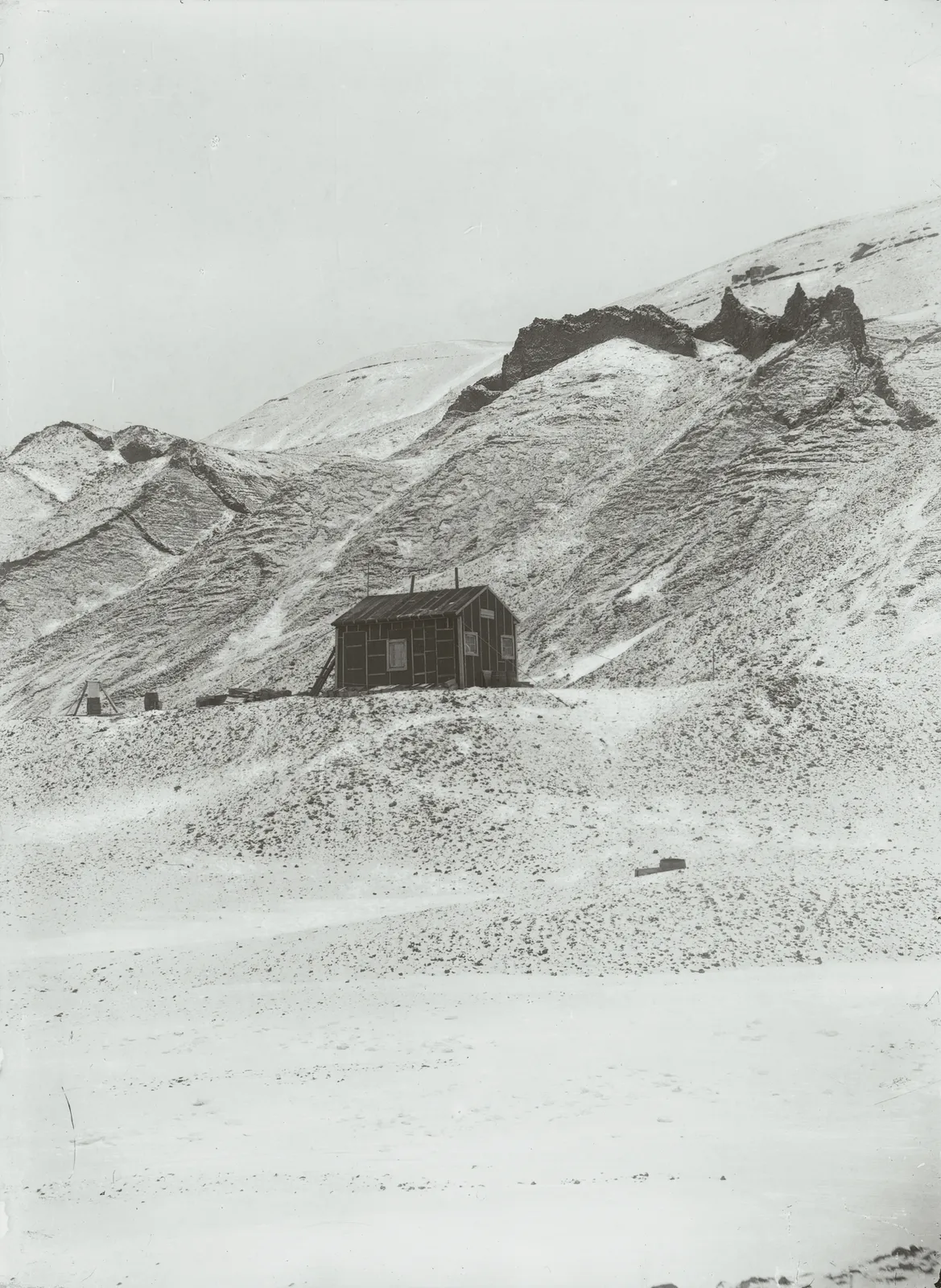
The Argentine government gave Nordenskjöld supplies and help on one condition: that he take a young Argentine naval officer, Lieutenant José María Sobral, in the party that would spend the winter. The American artist Frank Wilbert Stokes also joined them.
A Scientific Success
The expedition did a great deal of work. It explored much of the eastern coast of Graham Land, among them Cape Longing, James Ross Island, the Joinville Island group and the Palmer Archipelago, and it brought back valuable geological samples and specimens of marine animals.
The Ship Is Crushed
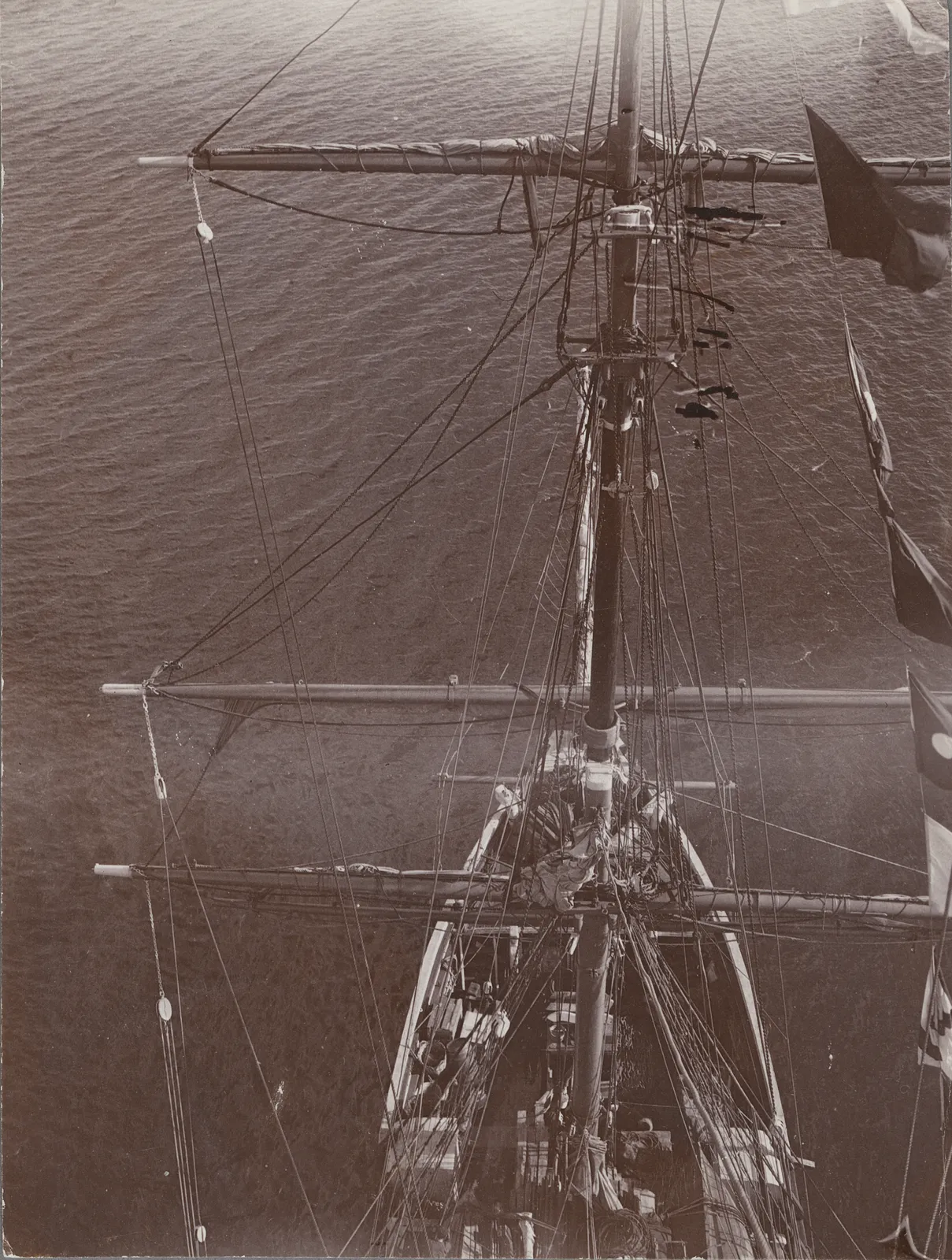
Then the ice took the ship. On 12 February 1903 the Antarctic was crushed by pack ice, about 25 miles from Paulet Island. The expedition was now split into groups, with no way of contacting one another. Nordenskjöld’s party was on Snow Hill Island. A second group was at Hope Bay, and a third, Larsen’s crew, was heading for Paulet Island.
Three Groups
The twenty men from the Antarctic reached Paulet Island in their lifeboat. There they built a strong double-walled stone hut, the remains of which are still visible. They survived on the limited supplies they had brought, and on about a thousand penguins they killed, and on the birds’ eggs.
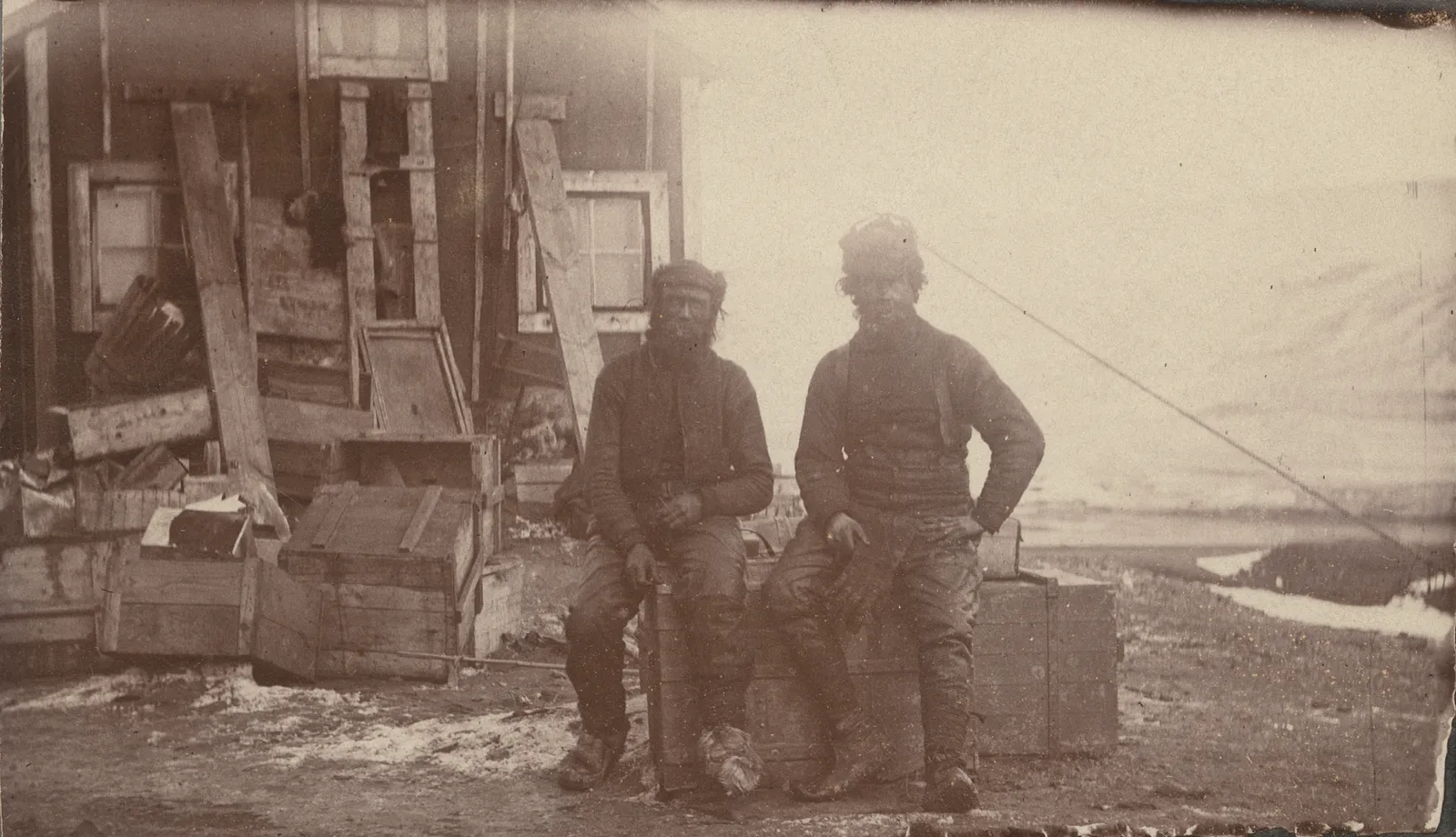
The Hope Bay group, which included Gunnar Andersson and the expedition’s men Duse and Grunden, had its own struggle.
The groups were stranded from February until November 1903, a second winter that nobody had planned for.
Argentina Sends a Ship
When no word came, a rescue was organised. The Argentine government sent the corvette ARA Uruguay under Lieutenant Commander Julián Irízar. The ship sailed on 8 October 1903 and, after a difficult passage through the southern waters, reached Snow Hill Island on 8 November 1903 and found Nordenskjöld’s party.
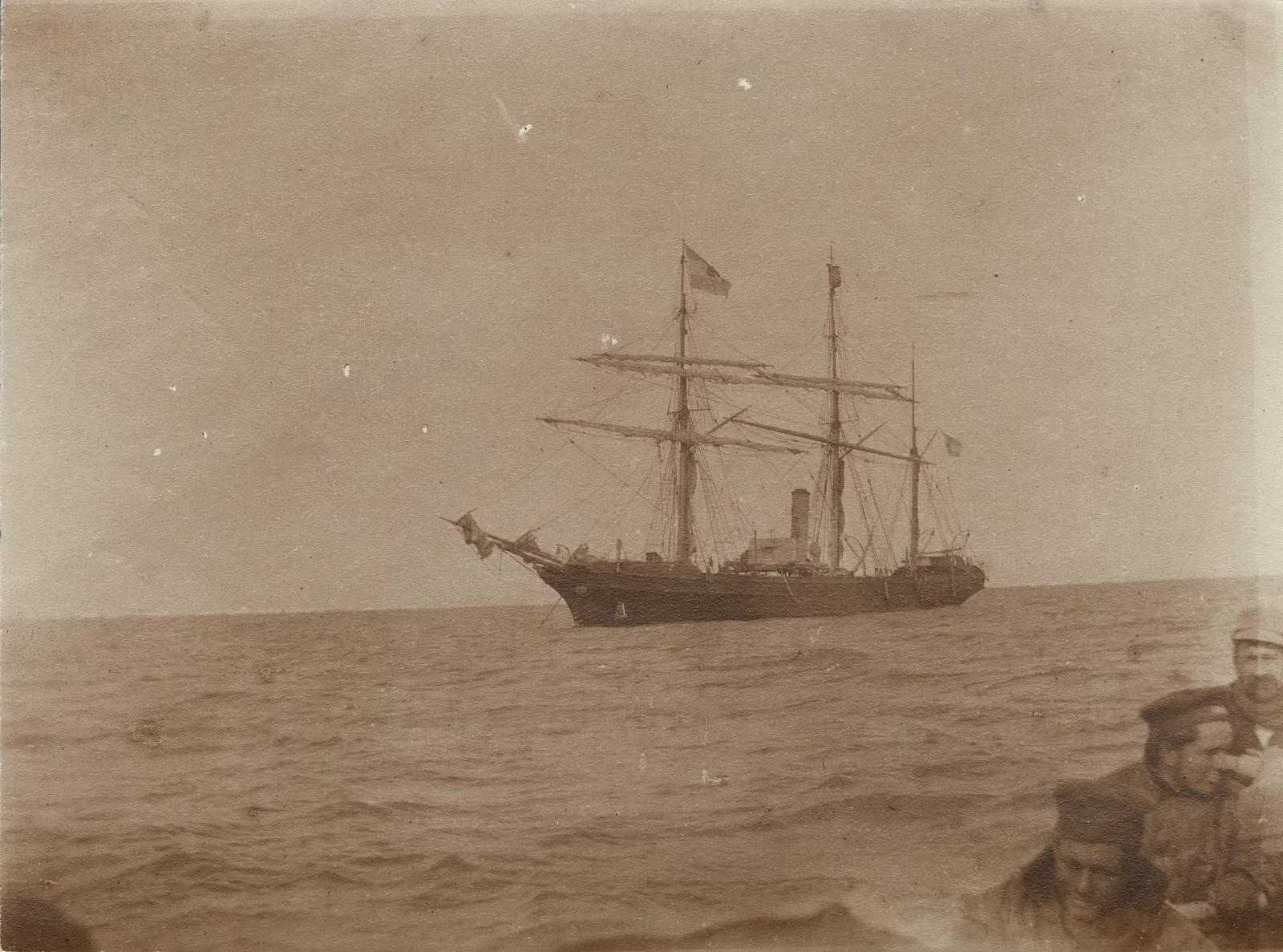
The rescue worked: Irízar’s crew “succeeded in rescuing all members of the expedition” who were still alive. The voyage home was hard, with “severe storms and partial dismasting,” but the Uruguay reached Puerto Santa Cruz, from where news was sent to Buenos Aires.
The Voyage South
The ARA Uruguay sailed from Buenos Aires on 8 October 1903 under Lieutenant Julián Irízar, and reached Ushuaia on 20 October. After leaving Ushuaia and the first icebergs, a lucky course took her quickly to Paulet Island, where she found the castaways from the Antarctic. They guided the corvette to Snow Hill, where Nordenskjöld’s party was found, and she arrived on 8 November 1903.
The Way Home
The Uruguay left the Antarctic on 12 November with the rescued men. On the way back she met a tremendous storm. Her masts were broken, and had to be cut away with axes while she rolled terribly. She reached Buenos Aires on 2 December to find a crowd waiting.
Home
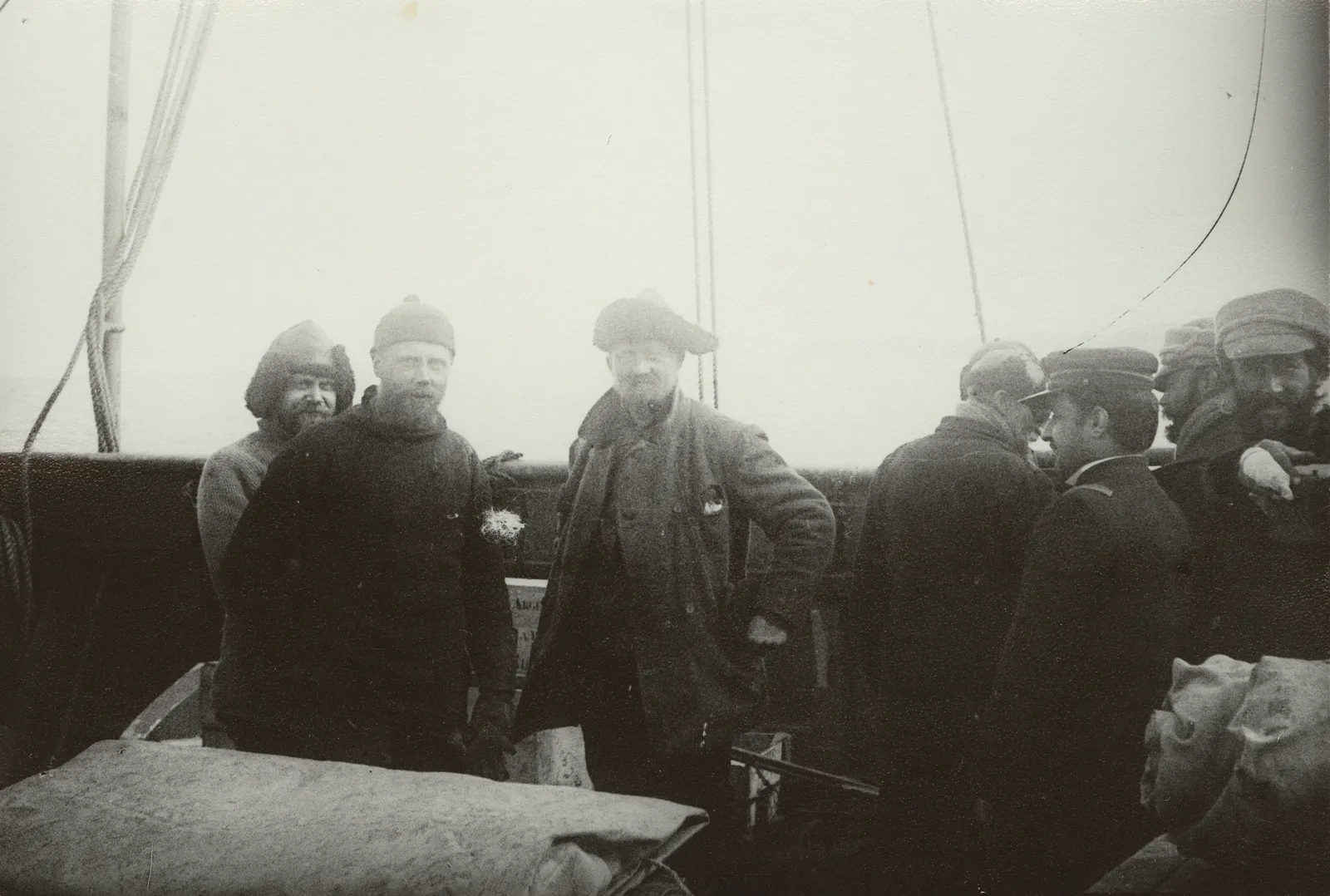
On 2 December 1903 the Uruguay arrived in Buenos Aires to public celebration and official honours.
The Ship’s Later Life
After its Antarctic success the Uruguay supported French expeditions between 1904 and 1906 and carried out hydrographic surveys across the Drake Passage and in the sub-Antarctic. She served for 52 years, was decommissioned in 1926, and was restored in 1954. In 1967 she was declared a National Historic Monument. She is now a museum ship at Puerto Madero in Buenos Aires.
What It Meant
The rescue made Argentina a recognised player in Antarctic exploration, and it made the Uruguay a legend. The expedition itself was a scientific success, but it left Nordenskjöld deeply in debt. And its survivors owed their lives to a country, and a captain, that came when it did not have to.
What the Record Shows
8 sourced claims in this story, resting on 5 primary and historical records. Numbers link to the bibliography below.
- The Swedish South Polar Expedition was led by Otto Nordenskjöld and Captain Carl Anton Larsen from 1901 to 1904 - sources: 1, 2
- The barque Antarctic was crushed and sunk by heavy Weddell Sea pack ice on February 12, 1903 - sources: 2, 5
- The survivors were fractured into three isolated groups at Snow Hill Island, Hope Bay, and Paulet Island - sources: 1, 2
- The marooned men survived for nearly two years by eating penguins and seal blubber inside crude stone and wood huts - sources: 2
- Sailor Ole Wennersgaard died of heart disease on Paulet Island, the sole casualty of the expedition - sources: 1, 2
- The Argentine Navy retrofitted the vintage gunboat ARA Uruguay to mount an independent polar relief mission - sources: 3
- Lieutenant Commander Julián Irízar located the Snow Hill party on November 8, 1903, coinciding with Larsen’s arrival - sources: 2, 3
- All remaining twenty-five survivors and extensive scientific collections were brought safely to Buenos Aires - sources: 1, 3
Archival Evidence & Picture Credits
Every image on this page was checked against its Wikimedia Commons file page.
- The wooden station hut at Snow Hill Island, home of Nordenskjöld’s wintering party (Wikimedia Commons) - Wikimedia Commons file page
- The expedition ship Antarctic in heavy ice floes (Wikimedia Commons) - Wikimedia Commons file page
- Grunden and Duse at Hope Bay in weathered polar gear (Wikimedia Commons) - Wikimedia Commons file page
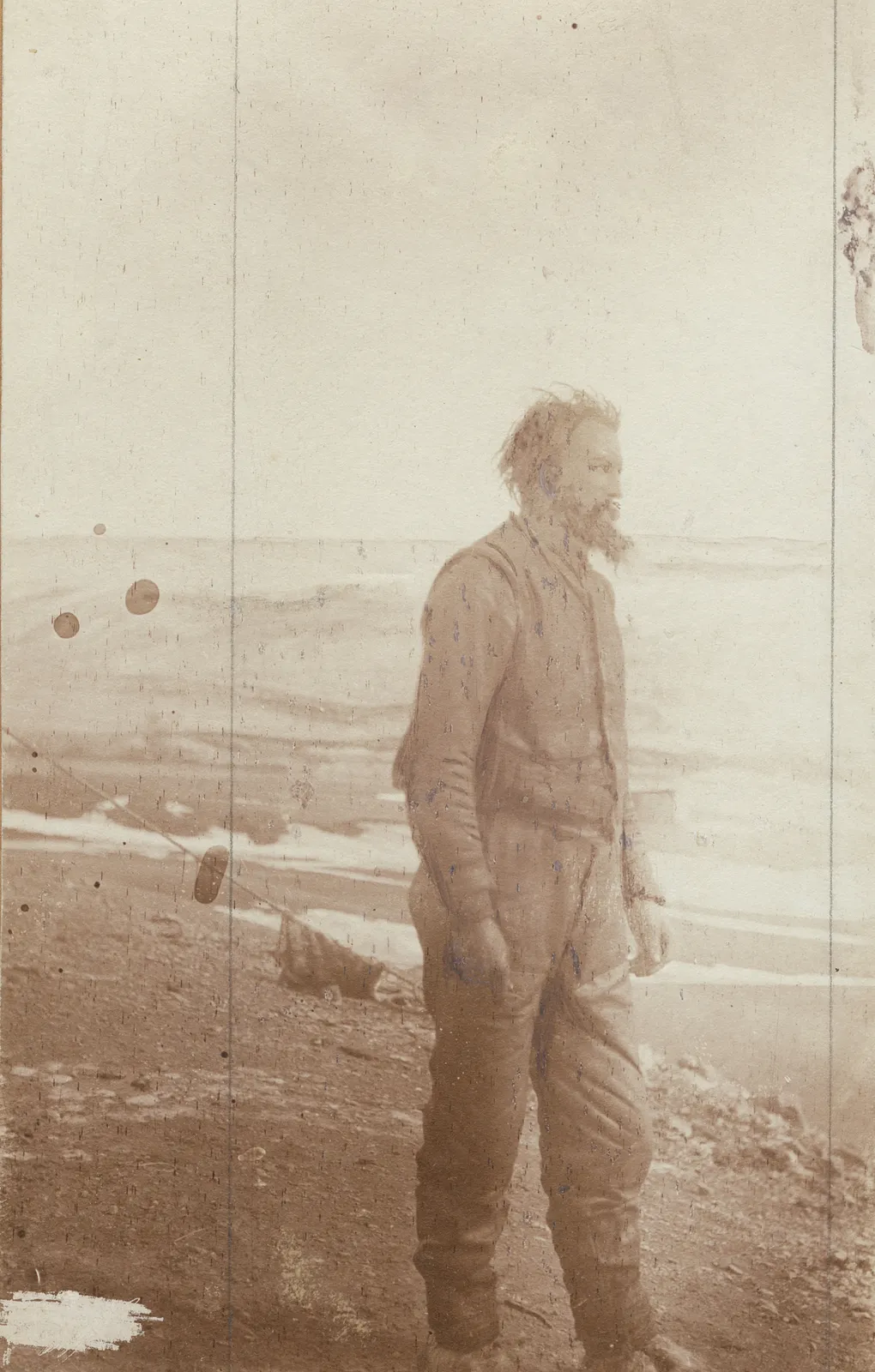
- A bearded, exhausted member of the Swedish expedition (Wikimedia Commons) - Wikimedia Commons file page
- The Argentine corvette ARA Uruguay in polar waters during the rescue (Wikimedia Commons) - Wikimedia Commons file page
- The rescued Swedish expedition members on the deck of the ARA Uruguay (Wikimedia Commons) - Wikimedia Commons file page
Verified Archival Sources & Bibliography
Every claim in this account has been fact-checked against primary archives and scholarly repositories:
- Wikipedia: Swedish Antarctic Expedition (reference)
- Internet Archive: Antarctica, or, Two Years Amongst the Ice of the South Pole (Otto Nordenskjöld & J. Gunnar Andersson) (primary)
- Armada Argentina: Buque Museo Corbeta ARA Uruguay Historial y Rescate (primary)
- Swedish National Maritime Museums (Statens maritima museer): Antarctic Expedition Photo Archive (primary)
- Scott Polar Research Institute (University of Cambridge): Nordenskjöld Collection (academic)
Echoes of History Uncut. "Their Ship Sank in Antarctic Ice. Then a Miracle Gunboat Arrived.." Echoes of History Uncut. Last modified September 20, 2026. https://echoesofhistoryuncut.com/articles/ara-uruguay-antarctic-rescue-1903/.

An independent history publication using AI-assisted research, drafting and production. Consult each article’s citations and limitations; source inclusion does not establish independent verification of every claim.
▶
Watch the Complete Archival Documentary on YouTube
Subscribe to Echoes of History Uncut on YouTube for full widescreen 16:9 documentaries, primary archival footage, and declassified deep dives.