
He Survived Hiroshima, Then Walked Straight Into Nagasaki
On August 6, 1945, naval engineer Tsutomu Yamaguchi survived the atomic bombing of Hiroshima less than two miles from ground zero. After boarding an evacuation train home to Nagasaki, he reported to work wrapped in bandages—only for the second atomic bomb to detonate outside his office window as his supervisor dismissed his story.

In this dossier (6 chapters) ▾
Historical Dossier: The Double Atomic Bombing Survival of Tsutomu Yamaguchi (Nijū Hibakusha) Location: Hiroshima & Nagasaki, Empire of Japan | Dates: August 6 & August 9, 1945 | Key Figure: Tsutomu Yamaguchi (1916–2010)
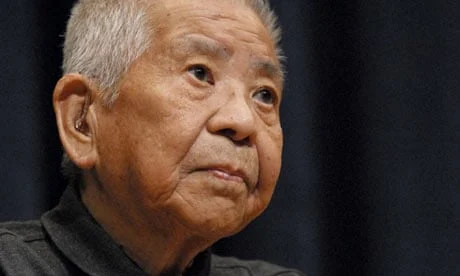
The Final Day in Hiroshima (August 6, 1945)
In the summer of 1945, 29-year-old naval design engineer Tsutomu Yamaguchi was completing a three-month temporary assignment in Hiroshima for Mitsubishi Heavy Industries. His team was designing an oil tanker for the Imperial Japanese Navy. August 6 was scheduled to be his final morning in the city before returning home to his wife, Hisako, and infant son, Katsutoshi, in Nagasaki [1].
At approximately 8:15 AM, as Yamaguchi walked along a footpath toward the Mitsubishi shipyard docks, he realized he had forgotten his company identification stamp (hanko) at his boarding house. He turned back toward the city center. Moments later, the American B-29 bomber Enola Gay released the uranium gun-type weapon code-named Little Boy over the Aioi Bridge, roughly 3 kilometers (less than two miles) from Yamaguchi’s position [2].
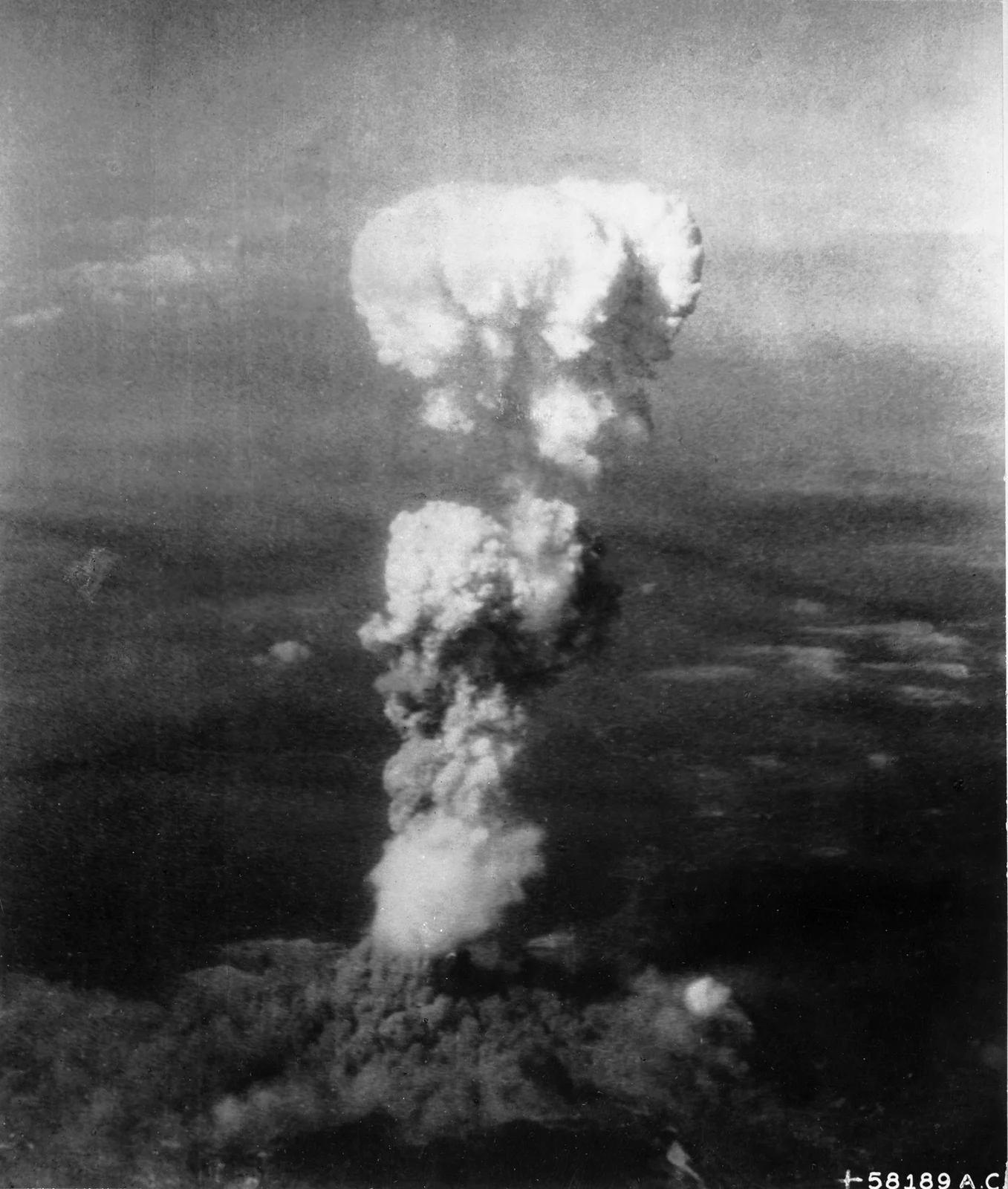
Yamaguchi later recounted seeing two small parachutes descend before the sky ignited with an all-consuming white flash—what Japanese survivors described as the pikadon (flash-boom). Thrown backward into an irrigation ditch by the shockwave, Yamaguchi suffered severe heat burns across his face and the left side of his torso, as well as ruptured eardrums. After recovering consciousness in the burning rubble of the industrial district, he found his two colleagues, Akira Iwanaga and Kuniyoshi Sato, alive [1, 3].
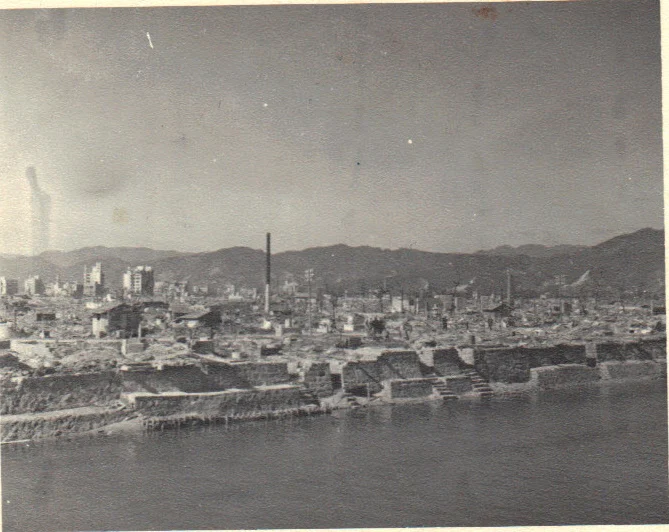
The Night Train to Nagasaki (August 7–8, 1945)
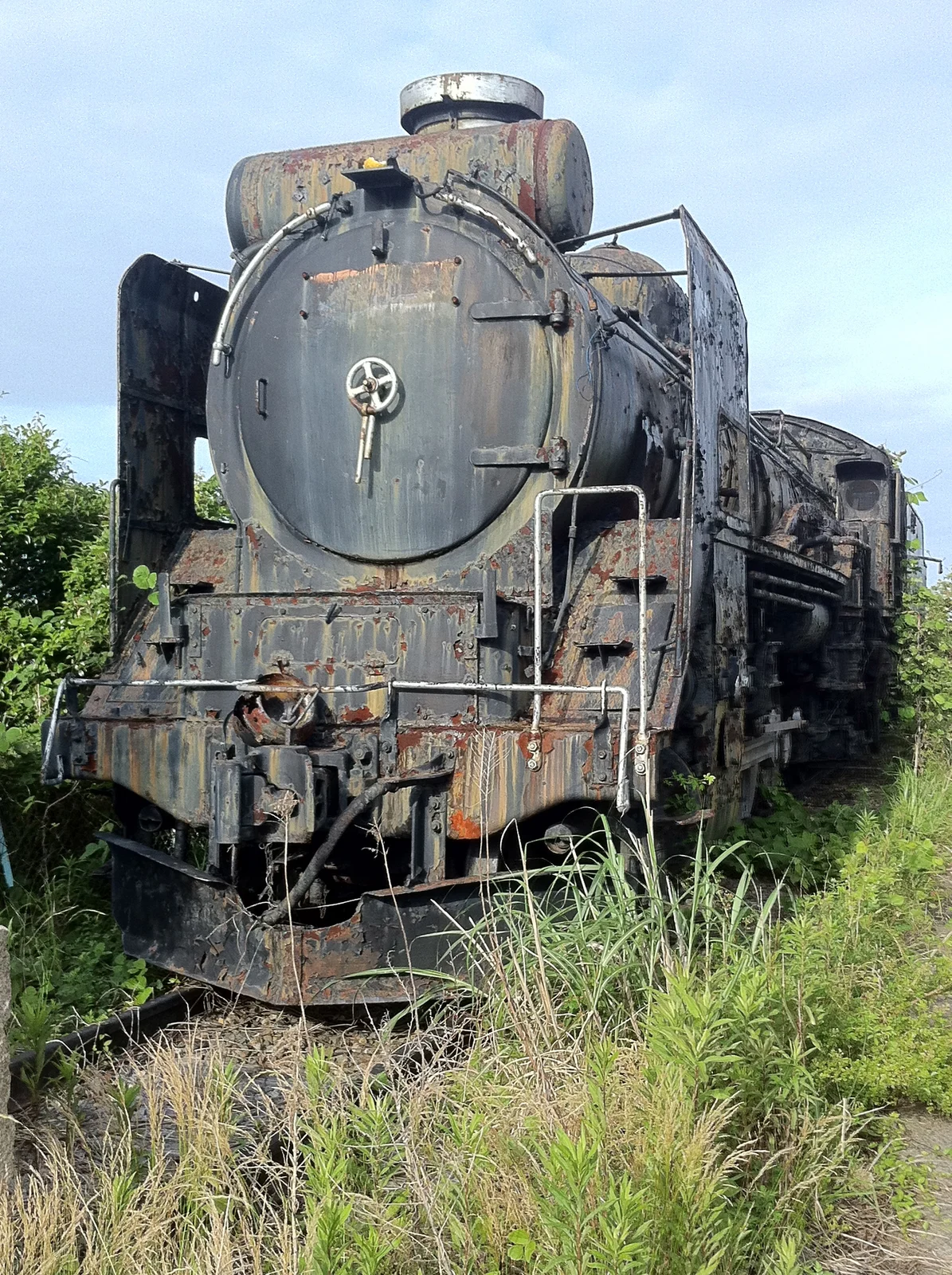
Despite collapsed bridges and severed infrastructure across Hiroshima, the Japanese National Railways (JNR) managed to keep a single evacuation line running along the southern coast. Crawling through the smoldering city, Yamaguchi reached Hiroshima Station on the morning of August 7 and boarded an overcrowded steam locomotive filled with burn casualties and soldiers heading westward across Kyushu [2].
Arriving in Nagasaki on August 8, Yamaguchi was taken to a local medical clinic where emergency staff treated his scorched skin and wrapped his entire head and torso in thick medical bandages.
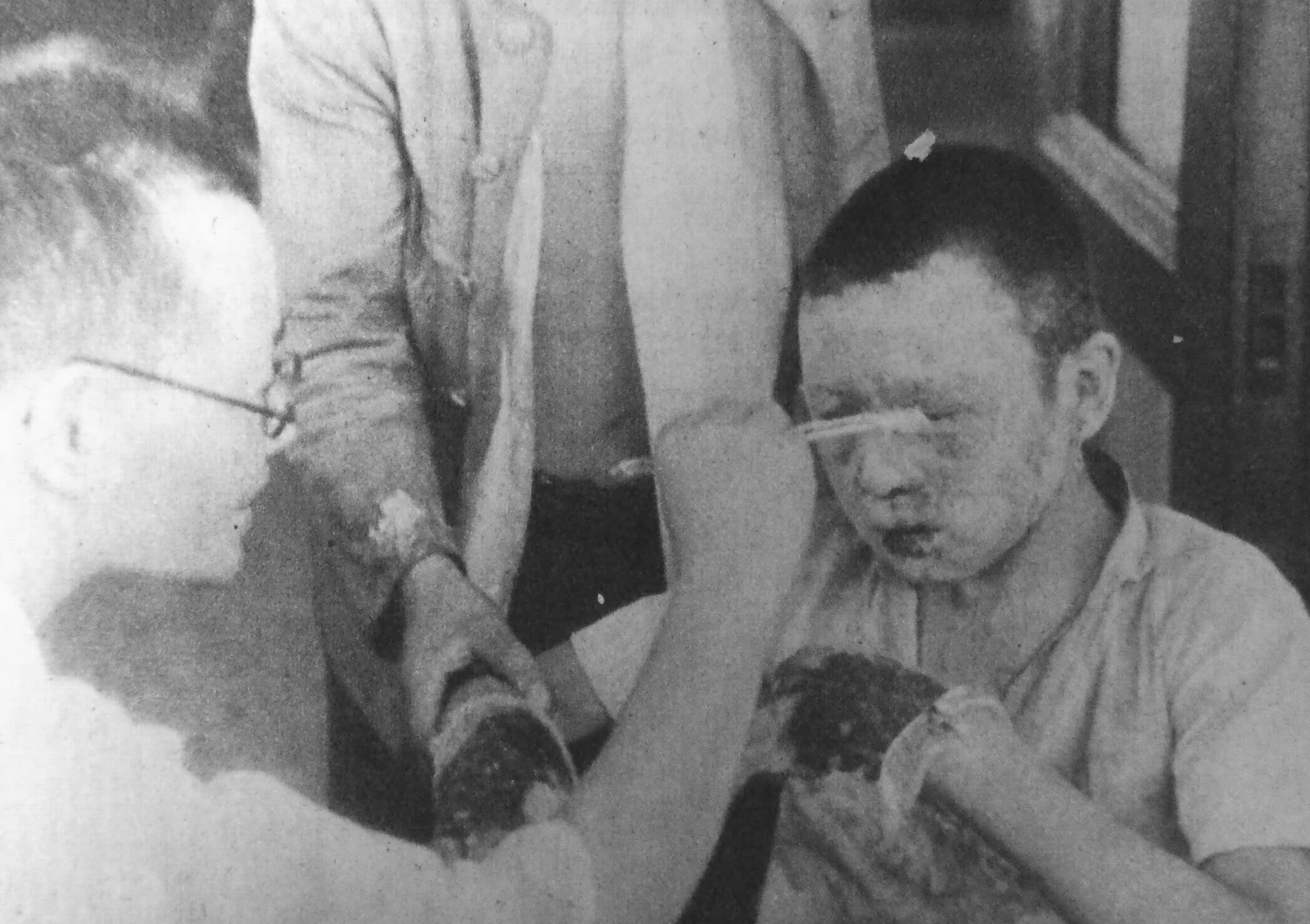
Despite a high fever, extreme physical exhaustion, and temporary deafness in his left ear, Yamaguchi insisted on reporting to the Mitsubishi Heavy Industries head office on the morning of August 9 to file his technical project report [1].
The Second Flash: The Nagasaki Office Climax (August 9, 1945)
At 11:00 AM on August 9, Yamaguchi sat inside the Mitsubishi design office in the Urakami Valley of Nagasaki. His supervisor, senior company director Kenshi Inoue, questioned him regarding the catastrophic damage he claimed to have witnessed in Hiroshima. Inoue dismissed his testimony, remarking:
“You’re an engineer. Calculate it. How could a single bomb destroy a city of three hundred thousand people? You’ve suffered heatstroke.” [1, 4]
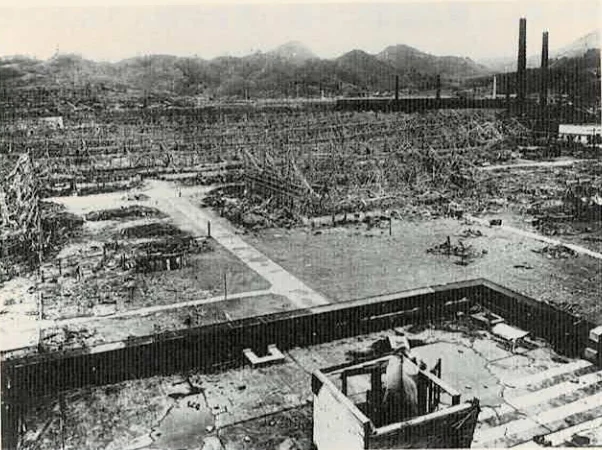
At 11:02 AM, before Yamaguchi could answer, the second atomic bomb (Fat Man, a plutonium implosion device dropped by the B-29 Bockscar) detonated 3 kilometers north of the office over the Matsuyama district [2, 5].
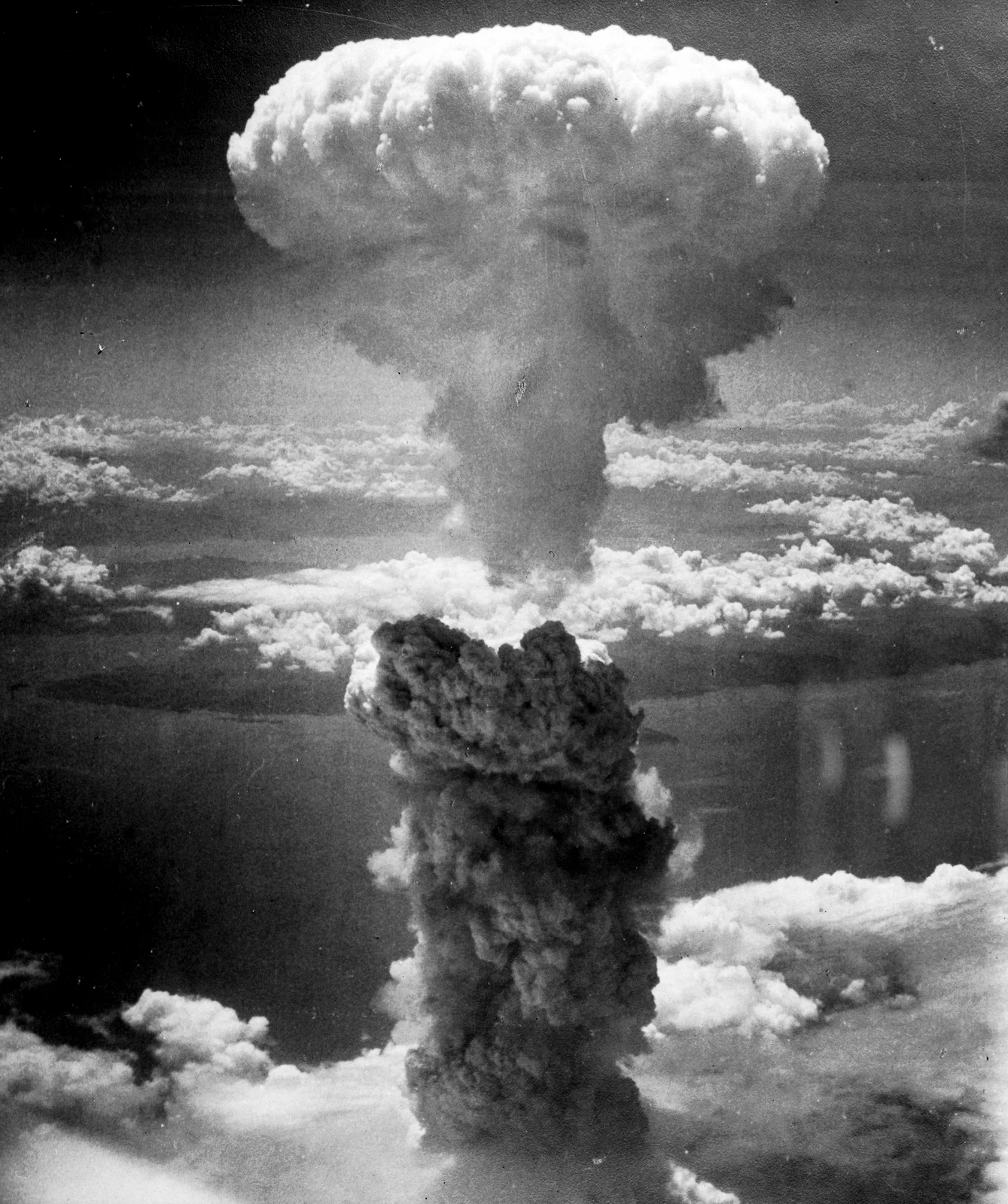
A blinding white light flooded the office through the exterior glass. Yamaguchi immediately dropped behind a reinforced concrete stairwell wall. The supersonic blast blew the office windows inward, stripped the roof, and flattened nearby wooden structures. Because the office building was built with reinforced steel framing and reinforced stairwells, Yamaguchi, his supervisor, and several staff members survived with secondary cuts and contusions [1, 3].
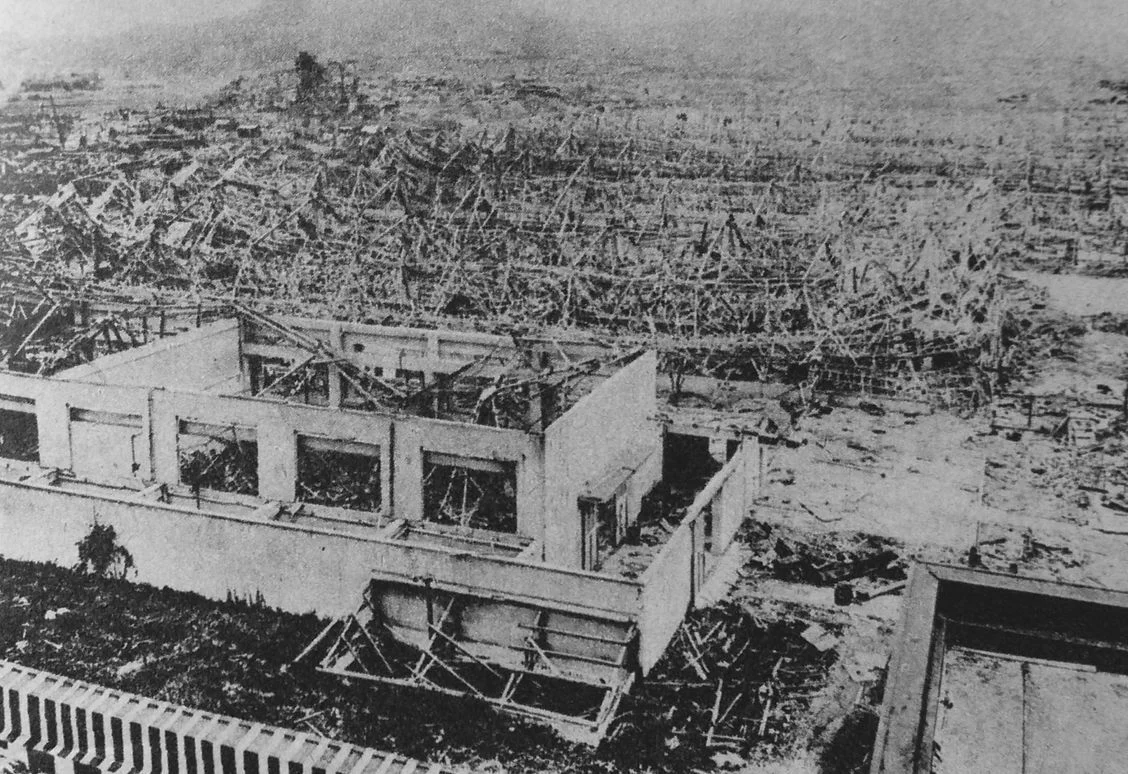
Rushing back to his residential neighborhood, Yamaguchi found that his home had been destroyed; however, his wife and infant son had taken refuge in an air raid shelter to search for burn ointment for his Hiroshima injuries, sparing them direct blast exposure [1, 2].
What the Record Shows
- Double Ground Zero Proximity: Yamaguchi was located approximately 3 km from hypocenter in Hiroshima on August 6, and approximately 3 km from hypocenter in Nagasaki on August 9 [1, 2].
- Official Government Recognition: In March 2009, the government of Japan officially recognized Tsutomu Yamaguchi as the first certified nijū hibakusha (double atomic bomb survivor) with legal documentation in both cities [3].
- Survival & Longevity: Despite suffering acute radiation sickness, vomiting, permanent loss of hearing in his left ear, and temporary loss of hair, Yamaguchi outlived both blasts by more than six decades, living until age 93 [1].
- United Nations Testimony: In 2006, at age 90, Yamaguchi traveled to United Nations Headquarters in New York to advocate for the total abolition of nuclear weapons, declaring: “Having experienced atomic bombing twice and survived, it is my destiny that I must speak out.” [1, 4]
Archival Evidence & Picture Credits
- Portrait of Tsutomu Yamaguchi (1916–2010): Archival portrait documented during his official certification as double hibakusha. Photograph by Justin McCurry / The Guardian / Shueisha Records under Fair Use.
- Hiroshima Ground Zero Devastation (August 1945): Panoramic damage survey taken by US Navy personnel aboard the USS Tuscaloosa. Public Domain via Wikimedia Commons.
- Hiroshima Mushroom Cloud (August 6, 1945): Photographed from the tail gunner position of the Enola Gay. US Army Air Forces / US National Archives (Record Group 77). Public Domain via Wikimedia Commons.
- Burn Treatment of Hibakusha Victim (1945): Medical documentation photograph taken by the United States Strategic Bombing Survey at Hiroshima Red Cross Hospital. US National Archives (Public Domain).
- Japanese Steam Locomotive (JNR Class D51): Standard 1940s passenger and freight evacuation locomotive. Photograph courtesy of Wikimedia Commons under CC BY-SA 4.0.
- Ohashi Plant of Mitsubishi Nagasaki Arms Factory (1945): Pre-blast survey documentation of the industrial facility in the Urakami Valley. US Strategic Bombing Survey. Public Domain via Wikimedia Commons.
- Nagasaki Mushroom Cloud (August 9, 1945): Photographed by Lieutenant Charles Levy aboard The Great Artiste. US National Archives (Record Group 342-FH-3A-40157). Public Domain via Wikimedia Commons.
- Mitsubishi Nagasaki Shipyard & Office Ruins (1945): Survey photograph documenting structural blast deformation. United States Strategic Bombing Survey (USSBS). Public Domain via Wikimedia Commons.


Verified Archival Sources & Bibliography
- Goldstein, Richard. “Tsutomu Yamaguchi, Survivor of 2 Atomic Blasts, Dies at 93.” The New York Times, January 6, 2010. Archival Link.
- United States Strategic Bombing Survey (USSBS). The Effects of Atomic Bombs on Hiroshima and Nagasaki. Chairman’s Office, 1946. US Government Publishing Office.
- McCurry, Justin. “A Little Deaf in One Ear — Meet the Japanese Man Who Survived Hiroshima and Nagasaki.” The Guardian, March 25, 2009. Archival Link.
- Yamaguchi, Tsutomu. Twice Bombed, Twice Survived: The Double Hibakusha of Hiroshima and Nagasaki. Documentary Testimony directed by Hidetaka Inazuka, 2006.
- Craig, William. The Fall of Japan: The Final Weeks of World War II in the Pacific. New York: The Dial Press, 1967.
Echoes of History Uncut. "He Survived Hiroshima, Then Walked Straight Into Nagasaki." Echoes of History Uncut. Last modified November 7, 2026. https://echoesofhistoryuncut.com/articles/tsutomu-yamaguchi-hiroshima-nagasaki/.

An independent history publication using AI-assisted research, drafting and production. Consult each article’s citations and limitations; source inclusion does not establish independent verification of every claim.
▶
Watch the Complete Archival Documentary on YouTube
Subscribe to Echoes of History Uncut on YouTube for full widescreen 16:9 documentaries, primary archival footage, and declassified deep dives.