
Their Warship Was Wrecked. So 50 Sailors Stole a Ghost Ship.
In November 1914, fifty German sailors from the light cruiser SMS Emden were stranded on Direction Island in the Cocos archipelago after their ship was destroyed in battle by HMAS Sydney. Rather than surrender, their young commander commandeered the Ayesha—a rotting, unseaworthy 97-ton wooden schooner abandoned in the lagoon. Defying all odds, the crew pumped water day and night, evaded Allied naval patrols across seventeen hundred miles of open ocean to Sumatra, transferred ships to Arabia, and fought their way across the desert on camels to reach safety.

In this dossier (10 chapters) ▾
Historical Dossier: The Escape of the Ayesha Location: Direction Island (Cocos Islands), Padang, the Red Sea coast and Arabia | Year: November 1914–1915 | Key Figures: Hellmuth von Mücke, Karl von Müller, SMS Emden, HMAS Sydney
A Raider in the Indian Ocean
SMS Emden was a German light cruiser, 118 metres long, built at Danzig and commissioned in 1909. After 1910 she served with the East Asia Squadron at Qingdao, and in May 1913 Captain Karl von Müller took command. When war broke out in August 1914, Müller was allowed to raid independently in the Indian Ocean.
From 5 September she attacked merchant ships in the Bay of Bengal. In the first month of her raiding, exports from the region fell by 61.2 percent. On 22 September she entered the port of Madras, which was lit up despite the blackout, and fired 130 rounds, destroying two oil tanks. On 28 October, at Penang, she approached at dawn with a dummy funnel and sank the Russian cruiser Zhemchug, killing 81 Russian sailors, and then a French destroyer, the Mousquet.
In all, over three months and some 30,000 nautical miles, Emden destroyed two Entente warships and sank or captured sixteen British steamers and one Russian merchant ship, a total of 70,825 gross register tons.
Cocos, 9 November 1914
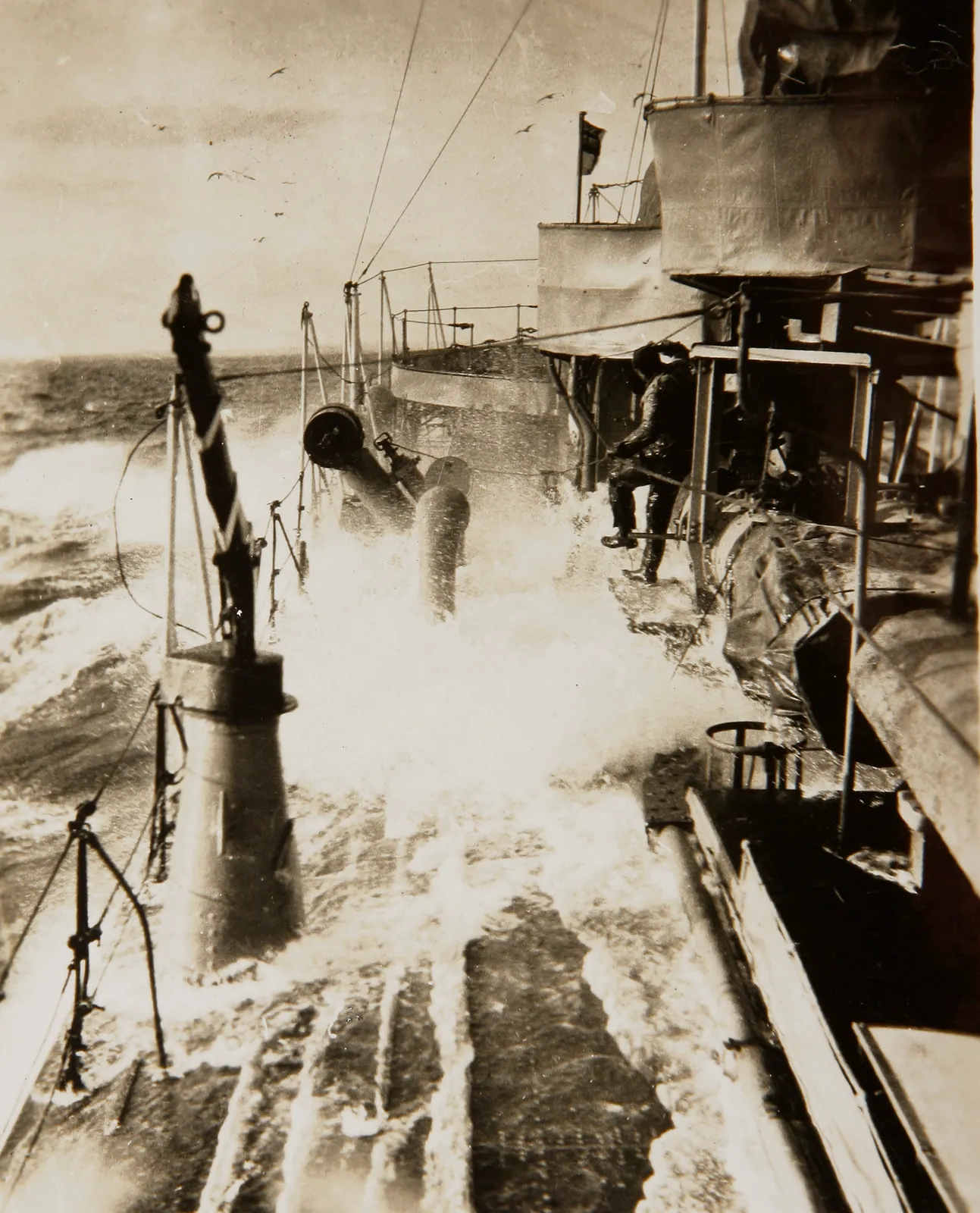
On 9 November, Müller sent a landing party of 51 men under First Lieutenant Hellmuth von Mücke to Direction Island, in the Cocos (Keeling) Islands, to destroy the cable and radio station. While they were ashore, the Australian cruiser HMAS Sydney appeared, coming at high speed from 52 nautical miles away.
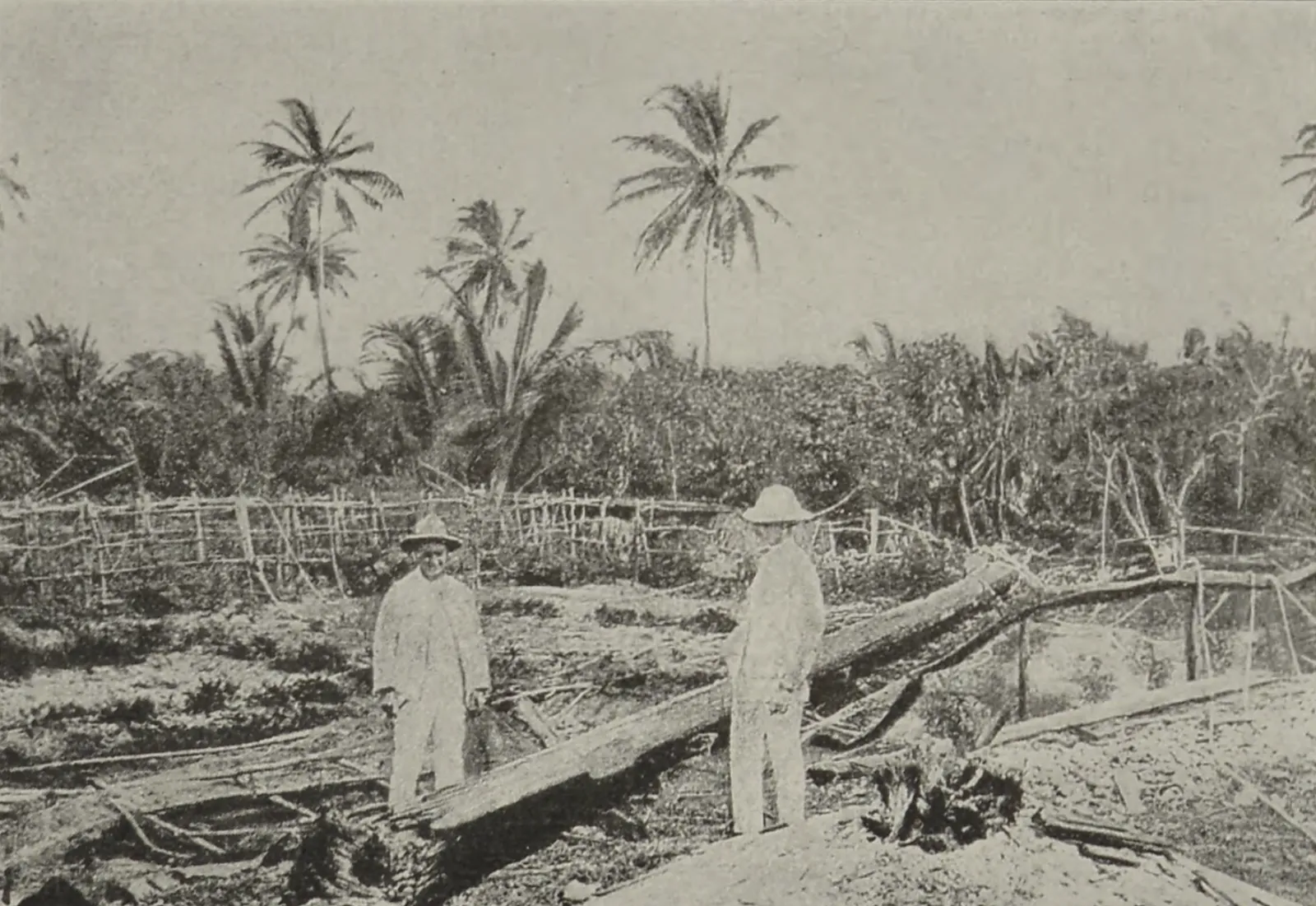
The battle lasted about ninety minutes. Emden scored sixteen hits, but Sydney’s 6-inch guns did far more damage. A hit disabled her steering gear and by 10:45, with her superstructure shattered, Müller beached her on North Keeling Island to save his crew. Of Emden’s crew of 376, 133 died. Sydney lost four men, with thirteen wounded.
The Schooner
On the island, Mücke and his men watched the fight end and found themselves stranded. Their ship was on fire and out of reach, and nothing was left to rescue them.
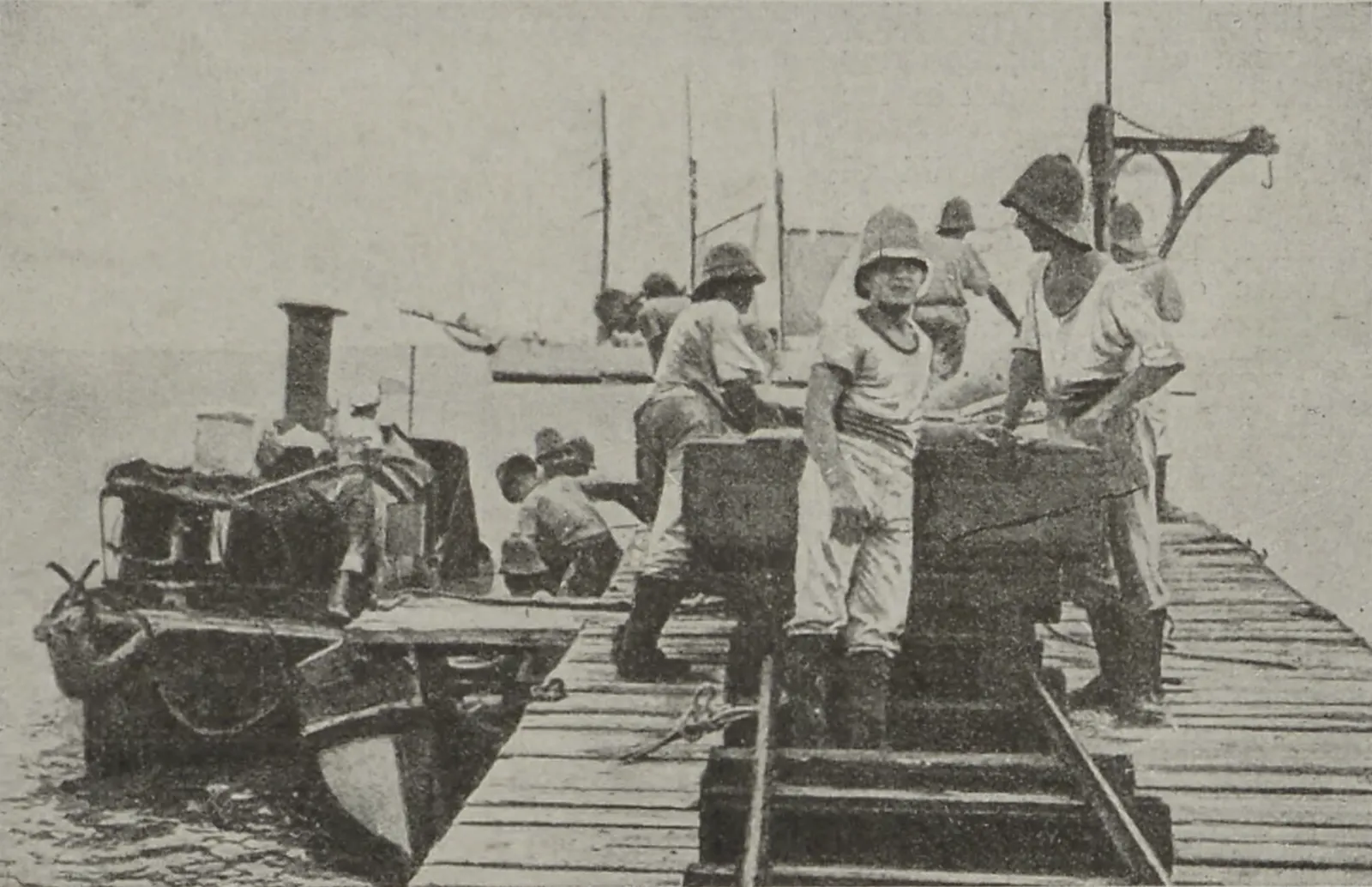
They took the Ayesha, an elderly 97-ton wooden schooner owned by the Clunies-Ross family. She was in a poor state. The seals of the seacocks had been taken out and the bilge pumps did not work properly, so she took in water all the time. The drinking water was bad. Still, the crew loaded her with ammunition and rifles and put to sea.
To Padang and Beyond
The Ayesha reached Padang, in Sumatra, on 27 November 1914. It was a neutral Dutch port, so she had to leave within 24 hours. On 14 December the crew met a German steamer, the Choising, at a position given to them by the German consul, and transferred to her. The Ayesha was scuttled on 16 December at 16:58, after a voyage of 1,709 miles.
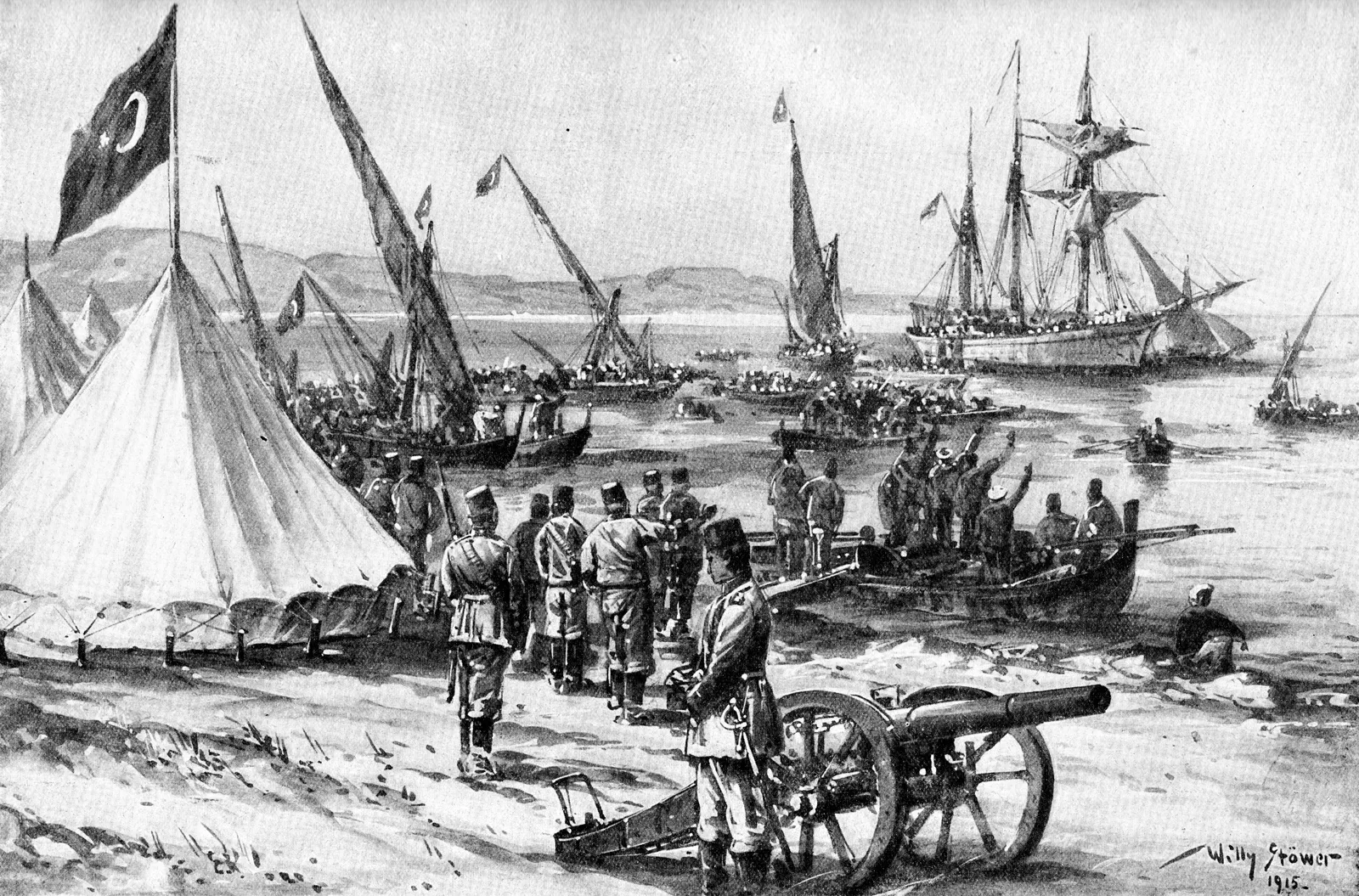
The Choising took them to Hodeidah, in Ottoman Yemen.
Across Arabia
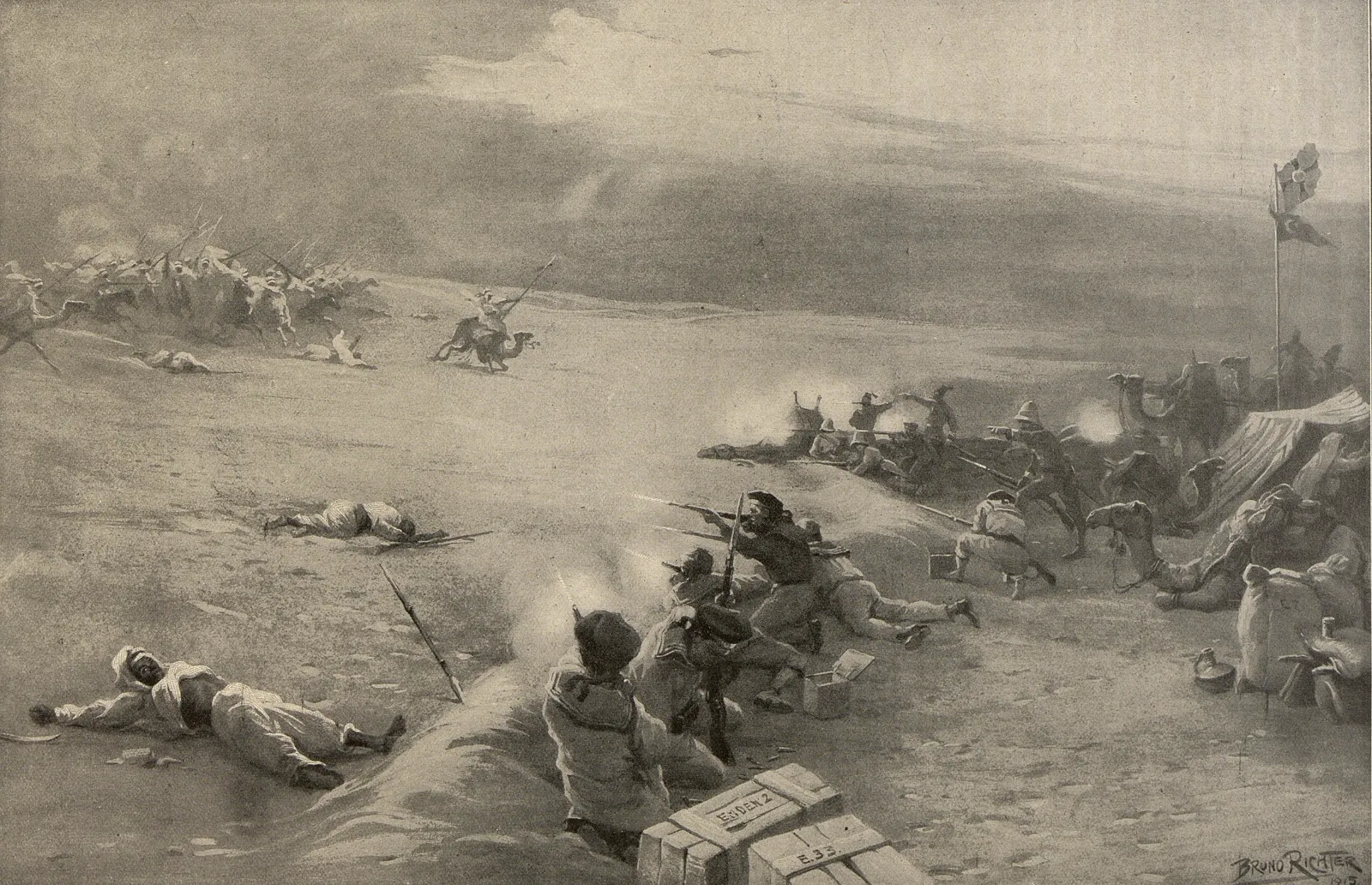
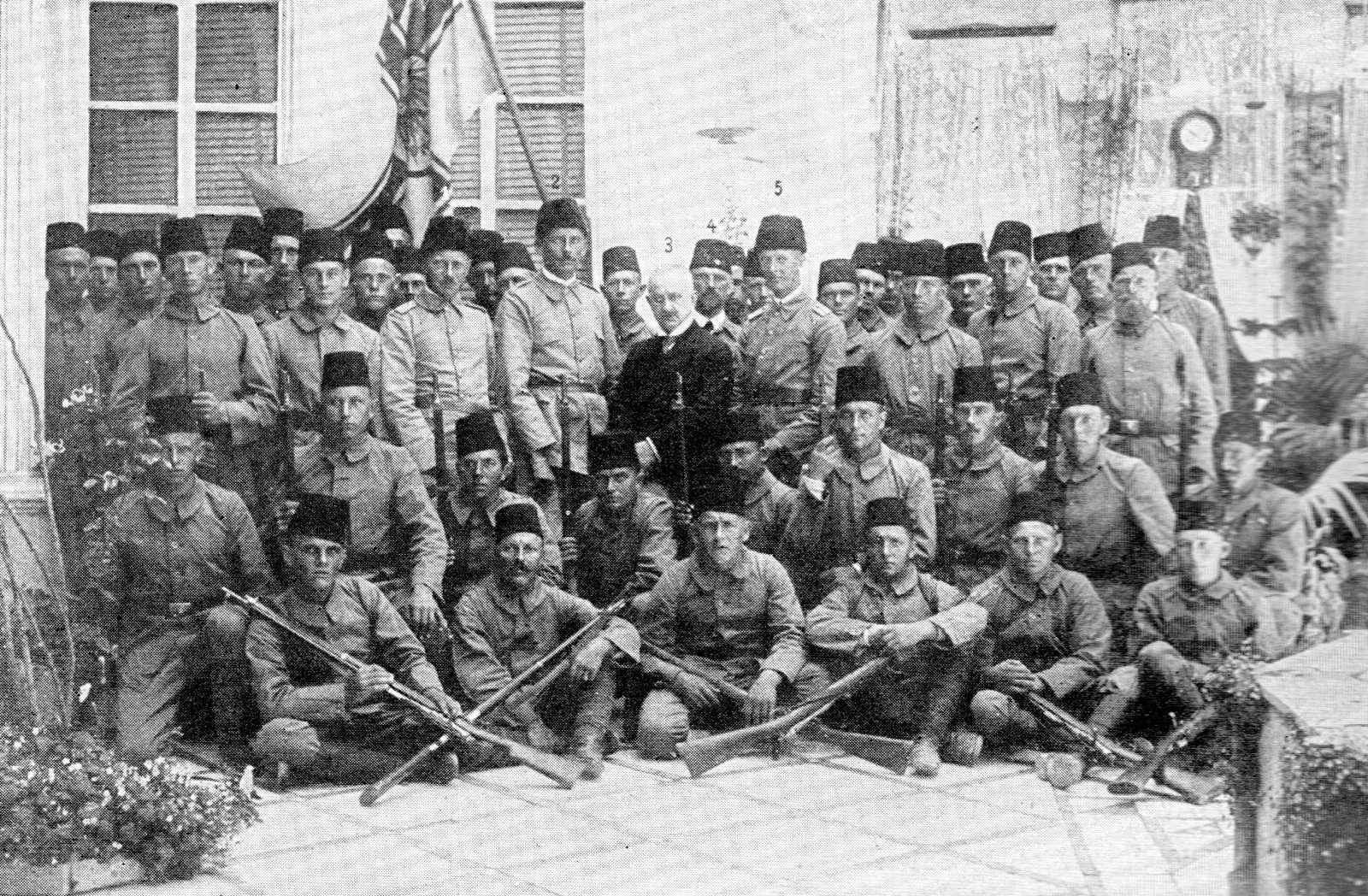
From Hodeidah the party travelled overland through Arabia and along the Hejaz Railway, a long and dangerous journey in which the men fought off attacks along the way. They reached Constantinople in the Ottoman Empire in May or June 1915, depending on the source, and reported to Admiral Wilhelm Souchon, who commanded the Goeben. From there they returned to Germany.
The Legend of the Emden
Von Mücke wrote an account of the voyage, Ayesha, published in 1915. Kaiser Wilhelm II awarded the destroyed Emden the Iron Cross and ordered a new cruiser of the same name with an Iron Cross on her bow.
The Emden’s name lived on in the region where she had raided. In Sinhala and Tamil, “Amdan” came to mean someone who is tough, manipulative and crafty, and in Malayalam, “Emadan” means a big and powerful thing.
Why the Story Is Told
The Emden was a raider whose attacks killed and damaged merchant ships, and the story of her escape should not hide that. What made it famous in its time was the contrast between a destroyed warship and a landing party that vanished, to reappear months later after crossing the sea in an old schooner and the desert on foot. It was a story of improvisation and endurance, and of a war that was still, in 1914, thought of as an adventure.
What the Record Shows
8 sourced claims in this story, resting on 6 primary and historical records. Numbers link to the bibliography below.
- A landing party of fifty German sailors from SMS Emden was ashore on Direction Island on November 9, 1914 - sources: 1, 2
- HMAS Sydney destroyed SMS Emden during the Battle of Cocos while the shore party was isolated - sources: 1, 3
- Kapitänleutnant Hellmuth von Mücke commandeered the decommissioned wooden schooner Ayesha from the lagoon - sources: 2, 4
- The leaking schooner was navigated 1,700 nautical miles across the Indian Ocean to Padang, Sumatra, pumping constantly - sources: 2, 5
- The crew rendezvoused with the German merchant vessel Choising and scuttled Ayesha in international waters - sources: 1, 2
- The men landed at Hodeidah, Yemen, and traversed the Arabian Peninsula on dhows and camels - sources: 2, 6
- The detachment fought a three-day running desert battle against Bedouin fighters outside Jeddah, suffering three fatalities - sources: 2, 4
- Survivors boarded the Hejaz Railway and arrived triumphantly in Damascus in May 1915 - sources: 2, 3
Archival Evidence & Picture Credits
Every image on this page was checked against its Wikimedia Commons file page.
- The Australian cruiser HMAS Sydney in heavy seas (Wikimedia Commons) - Wikimedia Commons file page
- The wireless mast on Cocos Island, destroyed in the raid (Wikimedia Commons) - Wikimedia Commons file page
- German sailors from the Emden’s landing party on Direction Island, November 1914 (Wikimedia Commons) - Wikimedia Commons file page
- SMS Ayesha off Hodeida, a painting by Willy Stöwer, 1915 (Wikimedia Commons) - Wikimedia Commons file page
- Members of the Emden’s crew attacked on their desert journey toward Jeddah (Wikimedia Commons) - Wikimedia Commons file page
- Members of the Ayesha’s crew in the garden of the German consulate in Damascus on 11 May 1915; Mücke is number 2 (Wikimedia Commons) - Wikimedia Commons file page


Verified Archival Sources & Bibliography
Every claim in this account has been fact-checked against primary archives and scholarly repositories:
- Wikipedia: Battle of Cocos & SMS Ayesha (reference)
- Internet Archive: The Ayesha: Being the Adventures of the Landing Squad of the Emden (Hellmuth von Mücke, 1917) (primary)
- Australian War Memorial: Official History of the Royal Australian Navy 1914–1918 (primary)
- The Mariner’s Mirror (Society for Nautical Research): The Cruise of the Ayesha (academic)
- Naval Historical Society of Australia: The Epic Escape of the Emden Shore Party (historical account)
- Imperial War Museums: SMS Emden and the Destruction at Keeling Island (archival record)
Echoes of History Uncut. "Their Warship Was Wrecked. So 50 Sailors Stole a Ghost Ship.." Echoes of History Uncut. Last modified September 20, 2026. https://echoesofhistoryuncut.com/articles/ayesha-cocos-escape-1914/.

An independent history publication using AI-assisted research, drafting and production. Consult each article’s citations and limitations; source inclusion does not establish independent verification of every claim.
▶
Watch the Complete Archival Documentary on YouTube
Subscribe to Echoes of History Uncut on YouTube for full widescreen 16:9 documentaries, primary archival footage, and declassified deep dives.