
US and German Soldiers Fought on the Same Side
On May 5, 1945, five days after Adolf Hitler's suicide, American tank crews and anti-Nazi German Wehrmacht soldiers formed an unprecedented battlefield alliance at Castle Itter in Austria. Together, they defended high-ranking French political prisoners against a determined assault by over one hundred Waffen-SS troops.

In this dossier (9 chapters) ▾
Historical Dossier: The Battle for Castle Itter Location: Itter Castle, Tyrol, Austria | Year: 5 May 1945 | Key Figures: Lieutenant John C. “Jack” Lee Jr., Major Josef “Sepp” Gangl, Kurt-Siegfried Schrader, Paul Reynaud, Jean Borotra
A Prison for Famous Frenchmen
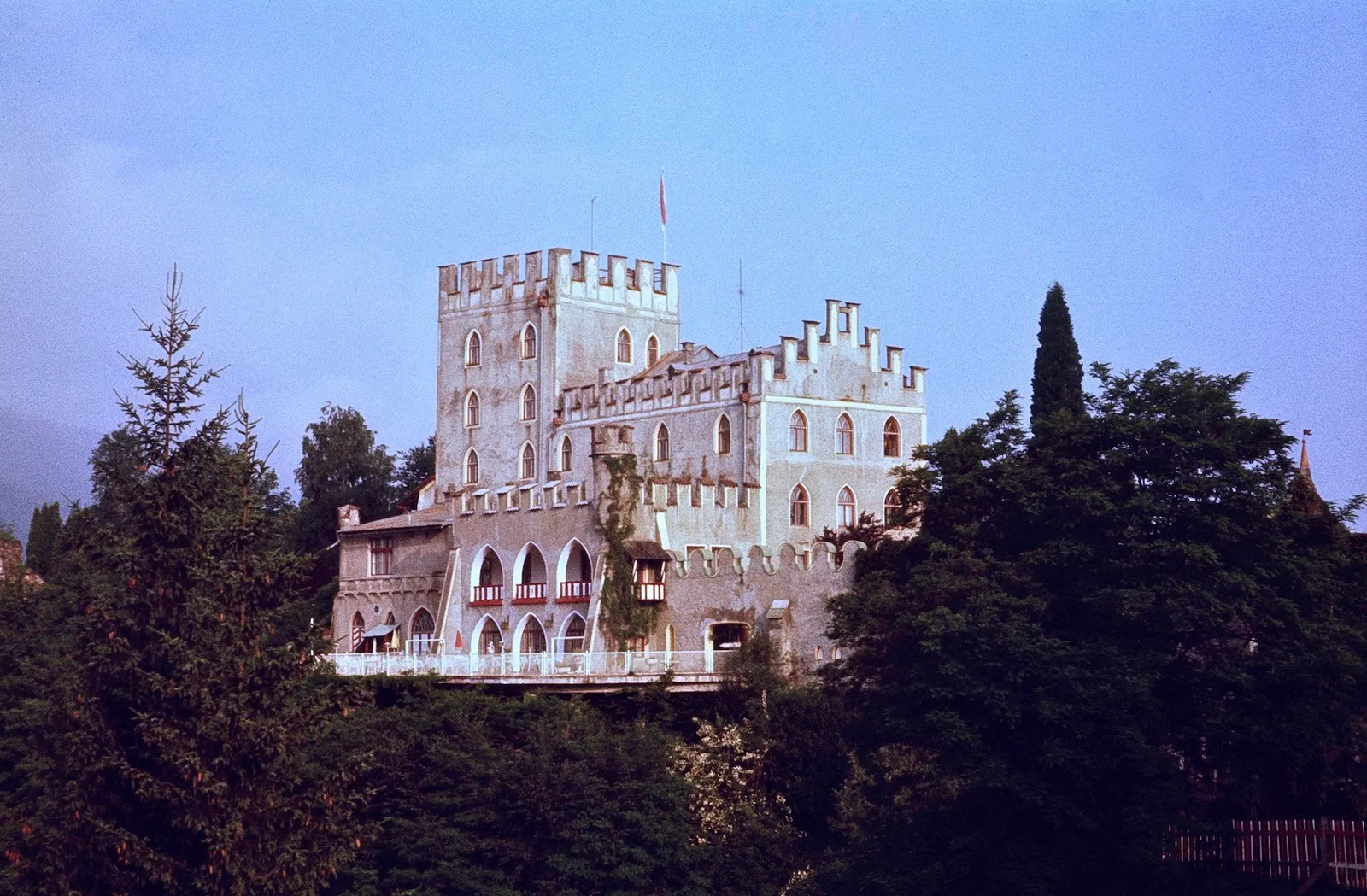
Itter Castle stands on a hill in the Austrian Tyrol. After the Anschluss of 1938, the German government leased the castle in late 1940, and on 7 February 1943 it was taken over on the orders of SS Lieutenant General Oswald Pohl. It became a special prison for French prisoners whom the Reich considered valuable.
Among them were two former prime ministers, Édouard Daladier and Paul Reynaud, the generals Maxime Weygand and Maurice Gamelin, the tennis champion Jean Borotra, and Charles de Gaulle’s sister, Marie-Agnès Cailliau.
The Last Days of the Reich
By the first days of May 1945 the Third Reich was collapsing. Adolf Hitler had killed himself on 30 April, and Germany would surrender unconditionally on 8 May. The prisoners at Itter had every reason to fear that the SS would kill them rather than let them be liberated.
On 3 May a Yugoslav communist prisoner, Zvonimir Čučković, escaped from the castle to look for Allied forces and found the US 103rd Infantry Division near Innsbruck. A rescue attempt was started but then recalled. Meanwhile the commandant, Sebastian Wimmer, fled, and the SS guards left. The prisoners took up arms themselves, though they were afraid of the SS units roaming the area.
On 4 May the castle’s Czech cook, Andreas Krobot, rode a bicycle to Wörgl and reached members of the Austrian resistance. Through them he reached Major Josef “Sepp” Gangl, a Wehrmacht officer who had changed sides and joined the local resistance instead of retreating.
An Unlikely Rescue Force
Lieutenant John C. “Jack” Lee Jr. commanded a reconnaissance unit of the 23rd Tank Battalion, 12th Armored Division. When Gangl asked for help, Lee volunteered at once. He scouted the area with Gangl and the local resistance leader Rupert Hagleitner, and put together a small force: 14 American soldiers, Gangl, a driver, and ten former German artillerymen. A bridge was too weak for reinforcements, so Lee went on with what he had.
At the castle, another unlikely figure joined the defence. Kurt-Siegfried Schrader, a Waffen-SS officer who was recovering nearby, was asked by the French prisoners to take command of their defence. He agreed, and brought his family into the castle for their protection. The French prisoners, who had been told to hide, decided to fight alongside the Americans and the Germans.
5 May 1945
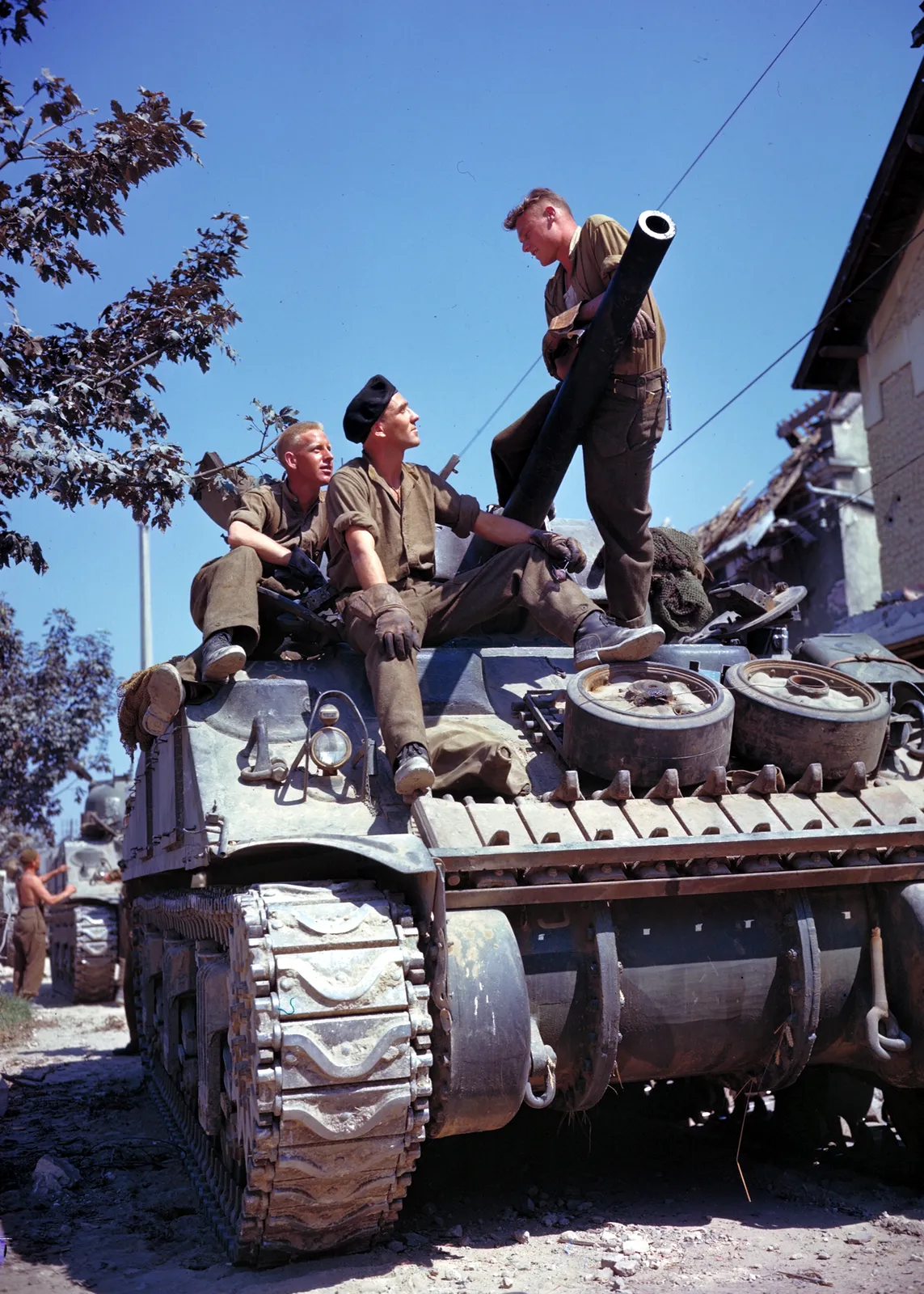
On the morning of 5 May, about 100 to 150 Waffen-SS soldiers under Oberführer Georg Bochmann attacked. Lee placed his Sherman tank, which the crew had named “Besotten Jenny,” at the main entrance of the castle. It provided machine-gun fire until the SS destroyed it, and only the radioman inside escaped unhurt.
Borotra, the tennis star, volunteered to take tactical information to the relief force. He was recognised on the way by the French Canadian reporter René Lévesque, later the Premier of Quebec. Borotra “asked for an American military uniform, then joined the force as it made haste to reach the prison.”
The relief force from the 142nd Infantry Regiment arrived at about 4 p.m. and defeated the SS attackers, taking about 100 prisoners.
The Cost and the Aftermath
Major Gangl was killed during the battle while protecting Paul Reynaud. He is honoured in Austria as a national hero, and a street in Wörgl is named for him. Lee was awarded the Distinguished Service Cross and promoted to captain. He died in 1973.
Schrader was sentenced to two years in prison for his Nazi party membership but was released early on account of his service at Itter. By 1953 he was working as a civil servant in the Ministry of the Interior in Westphalia.
The French prisoners left for France that evening and reached Paris on 10 May.
Why It Is Remembered
The Battle for Castle Itter is described as one of two known occasions in the war when Americans and Germans fought side by side. It is also the only documented case of a Waffen-SS man fighting on the Allied side. It happened five days after Hitler’s death and two days before the German surrender, in a castle that held some of the most famous prisoners of the war, defended by a group that had no right to be together.
What the Record Shows
8 sourced claims in this story, resting on 5 primary and historical records. Numbers link to the bibliography below.
- Castle Itter served as an SS VIP prison annex to Dachau housing French leaders including Reynaud and Daladier - sources: 1, 3
- Captain Jack Lee (US 12th Armored Division) joined forces with anti-Nazi German Major Josef Gangl on May 4, 1945 - sources: 1, 2
- The defenders numbered 14 American soldiers, 10 Wehrmacht soldiers, and an Austrian resistance fighter - sources: 1, 2
- An M4 Sherman tank named Besotten Jenny guarded the main gateway until knocked out by an 88mm shell - sources: 1, 4
- French VIPs actively took up arms and fired from the castle ramparts during the siege - sources: 1, 2
- Major Josef Gangl was killed by an SS sniper while moving Paul Reynaud to safety - sources: 1, 3
- Tennis champion Jean Borotra slipped through enemy lines in civilian attire to guide the relief column - sources: 1, 4
- The 142nd Infantry Regiment relieved the defenders on the afternoon of May 5, 1945 - sources: 2, 4
Archival Evidence & Picture Credits
Every image on this page was checked against its Wikimedia Commons file page.
- Itter Castle on its hilltop in the Tyrol, photographed in 1979 (Wikimedia Commons) - Wikimedia Commons file page
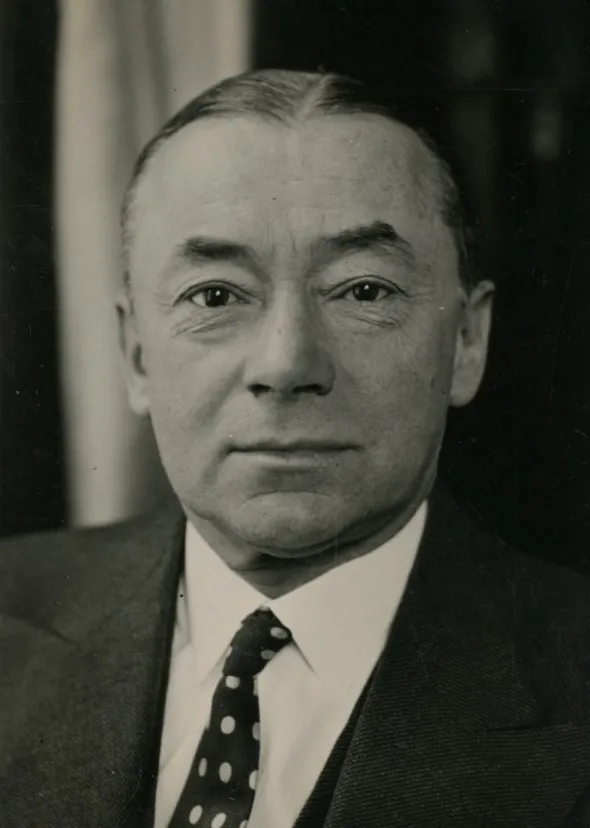
- Paul Reynaud, the former French prime minister held at Itter (Wikimedia Commons) - Wikimedia Commons file page
- A Sherman tank crew in northern France in 1944; Lee’s tank, Besotten Jenny, was an M4 Sherman (Wikimedia Commons) - Wikimedia Commons file page


Verified Archival Sources & Bibliography
Every claim in this account has been fact-checked against primary archives and scholarly repositories:
- HistoryNet: The Battle for Castle Itter (Stephen Harding) (historical analysis)
- Internet Archive: The Last Battle - When U.S. and German Soldiers Fought Together (Stephen Harding) (book)
- Wikipedia: Battle for Castle Itter (reference)
- U.S. National Archives (Prologue Magazine): The Austrian Castle Where World War II Allied and German Troops Joined Forces (primary)
- French National Assembly Archives: Dossiers on the Internees of Itter (Reynaud, Daladier, Borotra) (primary)
Echoes of History Uncut. "US and German Soldiers Fought on the Same Side." Echoes of History Uncut. Last modified September 15, 2026. https://echoesofhistoryuncut.com/articles/battle-of-castle-itter/.

An independent history publication using AI-assisted research, drafting and production. Consult each article’s citations and limitations; source inclusion does not establish independent verification of every claim.
▶
Watch the Complete Archival Documentary on YouTube
Subscribe to Echoes of History Uncut on YouTube for full widescreen 16:9 documentaries, primary archival footage, and declassified deep dives.