
Holy Charms Fell From the Sky. So Japan Started Dancing.
In the turbulent autumn of 1867, as the 260-year Tokugawa shogunate collapsed under famine and foreign warships, millions of Japanese citizens abandoned their work to dance in wild carnival frenzy, cross-dressing and chanting 'Ee ja nai ka'—'Who cares? Why not?'—after sacred talismans mysteriously rained from the sky.

In this dossier (9 chapters) ▾
- 01 The Twilight of the Shogunate
- 02 The Talismans of the Kami
- 03 The Carnival of “Ee Ja Nai Ka”
- 04 Eyewitness: Sir Ernest Satow’s Journal
- 05 The Mystery: Sacred Miracle or Political Ploy?
- 06 The Curfew of the Modern Empire
- 07 What the Record Shows
- 08 Archival Evidence & Picture Credits
- 09 Verified Archival Sources & Bibliography
Historical Dossier: The Ee Ja Nai Ka Frenzy & The Fall of the Tokugawa Shogunate Location: Nagoya, Kyoto, Osaka, and Edo (Tokyo), Japan | Date: August – December 1867 | Key Figures: Ernest Satow, Shogun Tokugawa Yoshinobu, Emperor Meiji
The Twilight of the Shogunate
In late summer 1867, the Japanese archipelago stood on the knife-edge of civil war. For over two and a half centuries, the Tokugawa shogunate had governed Japan under an ironclad regime of military feudalism and strict isolation (sakoku). Society was frozen into a rigid Confucian caste hierarchy: samurai at the apex, followed by farmers, artisans, and merchants at the bottom.
Yet that archaic feudal structure was disintegrating with dizzying speed. Fourteen years earlier, American Commodore Matthew Perry’s black steam frigates had forced open Japan’s ports at gunpoint, unleashing runaway inflation, widespread currency debasement, and catastrophic rice shortages. The southern samurai domains of Satsuma and Chōshū had forged a clandestine alliance to overthrow the fifteenth and final shogun, Tokugawa Yoshinobu, and restore absolute power to the Imperial Court in Kyoto.
For the common peasantry and impoverished urban merchants, life had become unbearable. Punishing harvest failures, epidemics of cholera, and endless military requisitions had pushed ordinary people into despair. The social contract was shattered. People knew a violent convulsion was imminent, but commoners were strictly prohibited from participating in politics, owning weapons, or speaking out against the samurai authority under penalty of instant beheading.
Then, from the heavens above Nagoya, the sky opened.
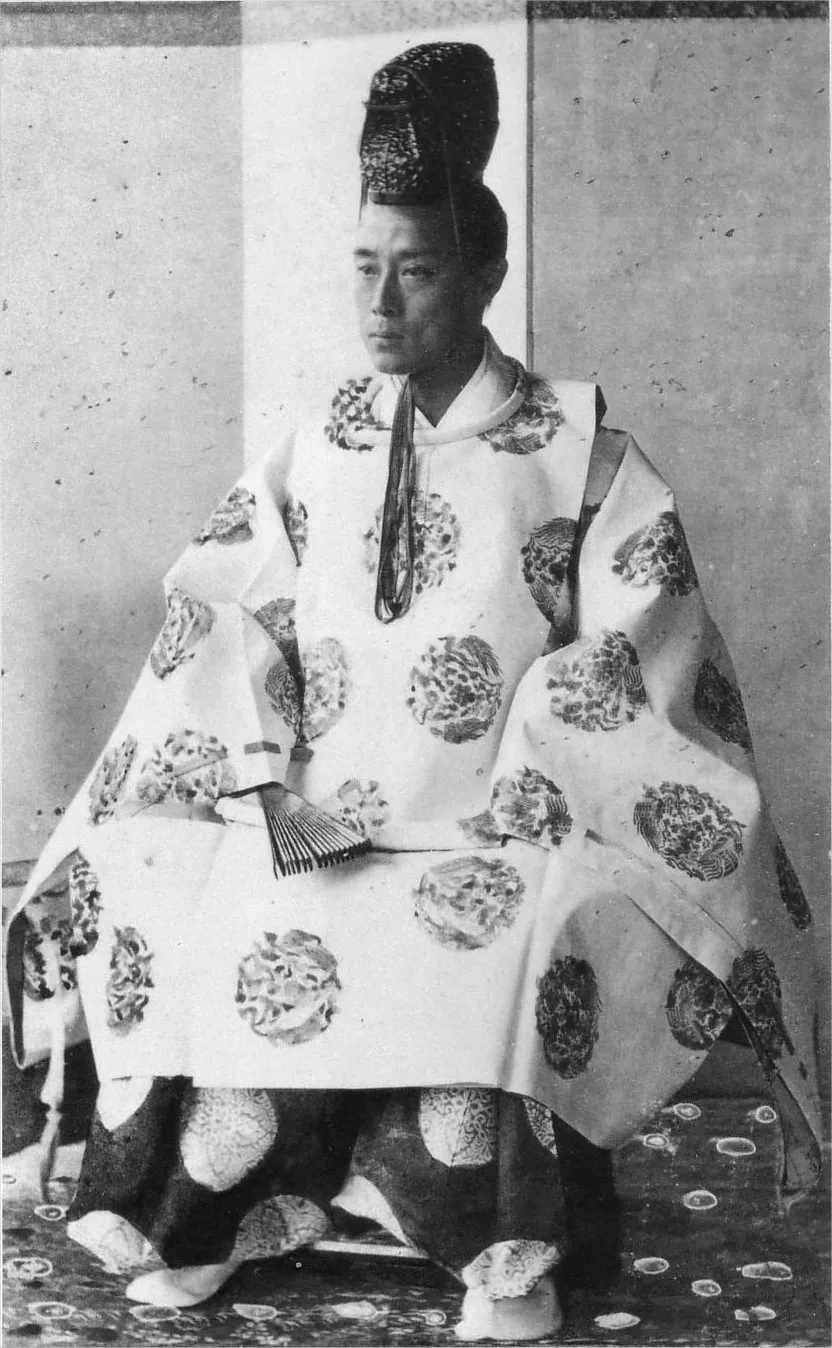
The Talismans of the Kami
In the eighth month of the lunar calendar (August 1867), rumors swept through Nagoya and the surrounding Tōkaidō coastal highway that printed paper talismans (ofuda) from the sacred Grand Shrine of Ise and other venerated Shinto deities were falling from the open clouds.
Commoners discovered the sacred paper amulets fluttering down onto temple roofs, resting in the eaves of farmhouses, floating in river currents, and resting in village bamboo groves. To a deeply superstitious populace enduring crushing misery, this was an unmistakable cosmic portent (yonaoshi, “world renewal”). It meant the ancestral gods (kami) were descending to cleanse Japan, strip the corrupt ruling class of their power, and bring about an age of boundless abundance and universal equality.
Wherever an amulet landed, social order dissolved in hours:
- Entire villages stopped farming, trade, and craftwork.
- Elaborate sake shrines were erected directly in the streets around the fallen charms.
- Wealthy merchants and pawnshops were pressured by surrounding mobs to throw open their warehouses, distributing rice, sake, money, and lanterns to the crowds.
- To refuse hospitality or hoard supplies was deemed an affront to the gods that invited instant demolition of the offending merchant’s home.
The phenomenon spread like wildfire down the Tōkaidō road into Kyoto, Osaka, and eastward toward the shogun’s capital of Edo.
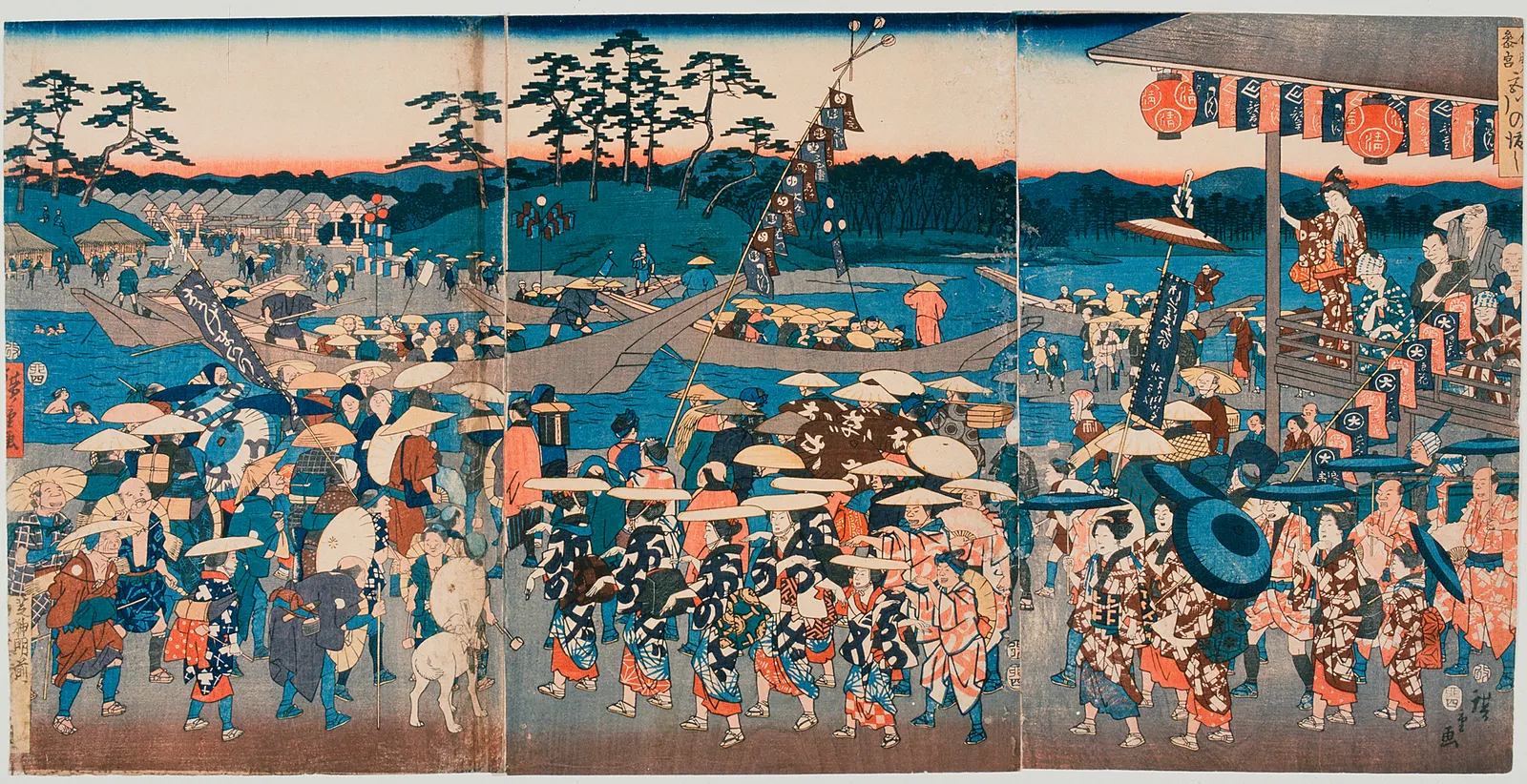
The Carnival of “Ee Ja Nai Ka”
What ensued over the autumn of 1867 was not a violent, barricaded rebellion, but an unprecedented, ecstatic carnival of spontaneous public civil disobedience.
Millions of Japanese citizens abandoned their posts. Crowds surged through city avenues in day-and-night processions, beating taiko drums, clashing cymbals, singing ribald drinking songs, and dancing in hypnotic waves.
The social hierarchy was turned upside down:
- Carnivalesque Transgression: Strict gender and class dress codes vanished. Men danced through the streets wearing women’s kimonos, rouge, and elaborate hair combs; women wore short male jackets, brandished swords, and tied headbands around their brows. Some celebrants tore off their garments entirely, dancing nude in sacred revelry.
- The Red Pageant: In Kyoto, tens of thousands dressed head-to-toe in crimson cloth, fastening glowing red paper lanterns to their hair and robes.
- The Unstoppable Refrain: Above the pounding gongs and singing rose a single, thunderous, all-encompassing chant:
“Ee ja nai ka! Ee ja nai ka! Ee ja nai ka!” “Isn’t it great? Why the hell not? Who cares? Anything goes!”
The lyrics were biting, absurd, and subversive:
“The talismans have fallen from heaven! Japanese sake is good to drink! Ee ja nai ka! Our debts are erased, the world has renewed itself, why shouldn’t we dance? Ee ja nai ka!”
When samurai patrols and armed municipal guards attempted to restore order, the crowds simply enveloped them, singing louder, pressing cups of sake into the warriors’ hands, and daring them to strike down celebrants blessed by the heavenly amulets. Terrified of inciting an uncontrollable general massacre on the eve of civil war, the shogunate authorities stood by paralyzed.
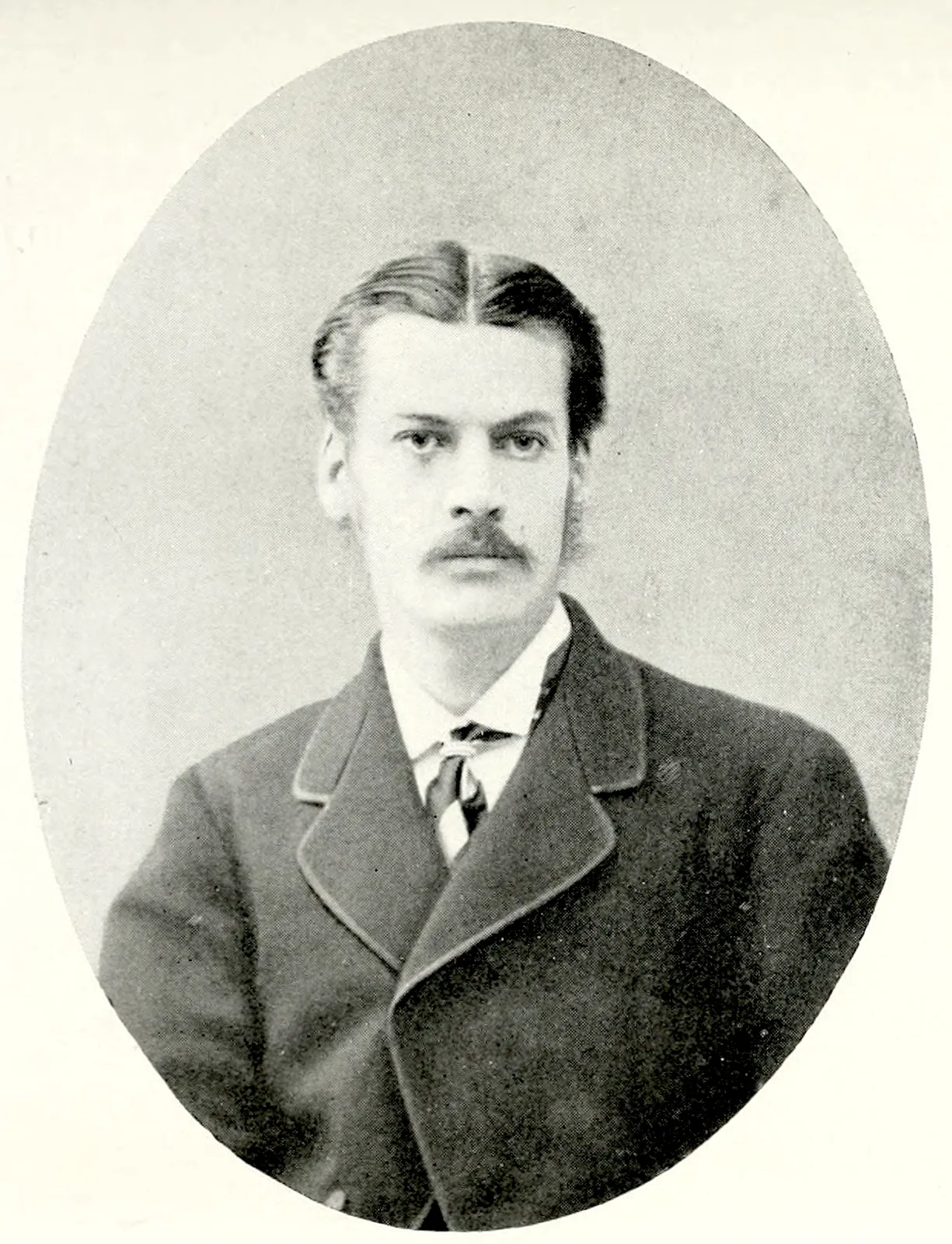
Eyewitness: Sir Ernest Satow’s Journal
Among the few Westerners to witness the phenomenon directly was the young British diplomatic interpreter Ernest Mason Satow, who was traveling between Osaka and Kyoto in late 1867.
In his classic diplomatic memoir, A Diplomat in Japan, Satow recorded the surreal atmosphere of the cities:
“The streets were full of crowds of people in holiday costume, dancing and singing ‘Ee ja nai ka, ee ja nai ka’ … Houses were decorated with rice-cakes in all colours, oranges, straw and flowers. The whole population seemed to have gone crazy with joy. In some places, crowds entered the houses of rich merchants and demanded food and drink, which were unhesitatingly supplied.”
Satow astutely recognized that beneath the whimsical dancing lay an immense, explosive release of pent-up revolutionary pressure. By declaring that the universe itself had granted them permission to celebrate, the populace had effectively declared the shogunate’s laws null and void without firing a single bullet.
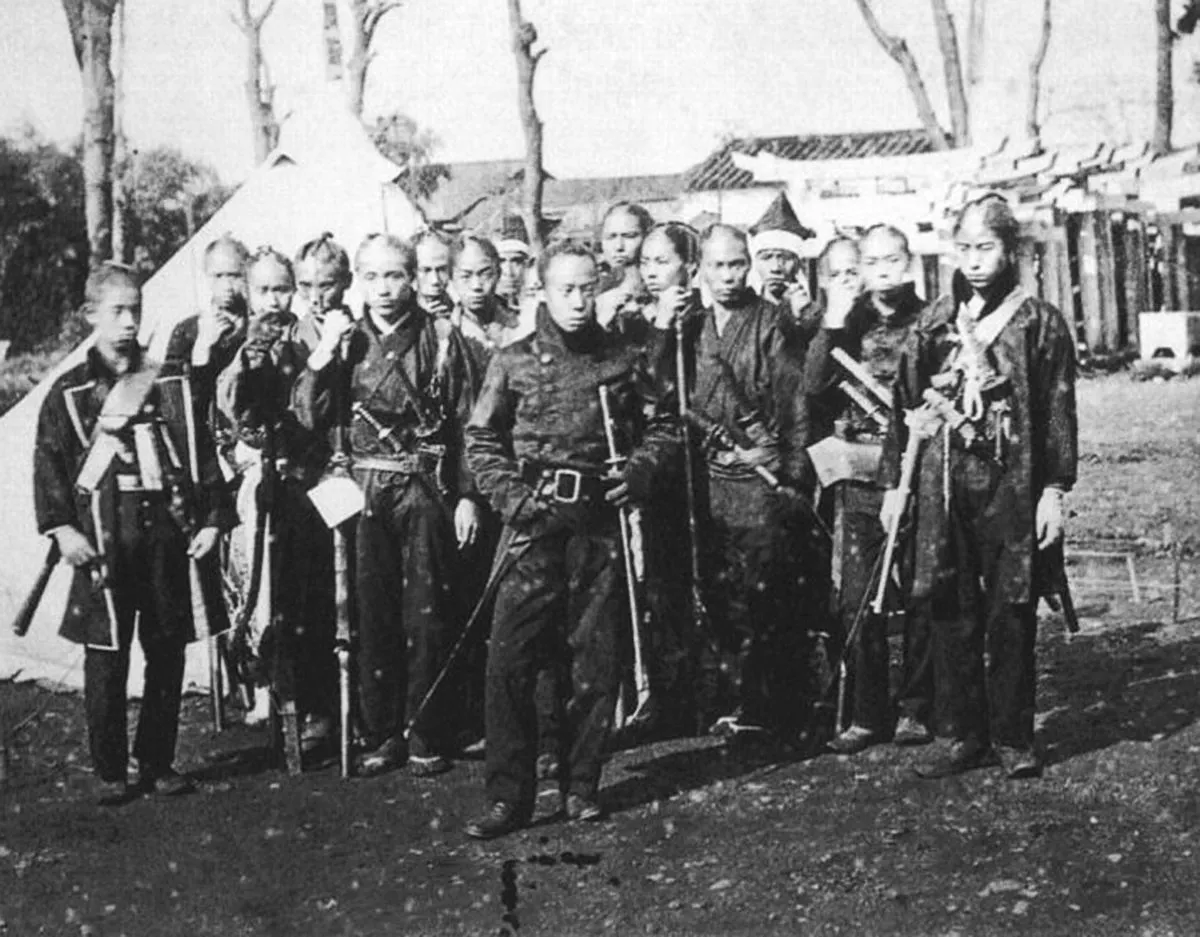
The Mystery: Sacred Miracle or Political Ploy?
Did sacred amulets truly fall from the clouds?
Almost immediately, rumors surfaced that the showers were an elaborate, calculated psychological operation. Shogunate investigators quietly apprehended several itinerant Shinto priests, wandering merchants, and political agitators caught climbing onto rooftops under cover of night, tossing handfuls of printed ofuda into chimneys and alleyways.
Historians have debated the true originators ever since:
- Imperial Loyalists (Satsuma & Chōshū): Conspirators allied with the anti-shogun faction may have engineered the talisman drops to paralyze the shogunate’s urban police networks, demoralize Tokugawa troops, and create chaotic diversionary cover for royalist troops marching toward Kyoto.
- Shrine Priests & Guilds: Local Shinto shrines and pilgrim associations (kō), who suffered severely under economic collapse, had an immense financial incentive to spark mass pilgrimages to Ise, filling shrine collection boxes.
- Popular Collective Hysteria: Once the initial charms were found, superstitious townspeople began tossing charms from their own upper balconies to justify declaring holidays, avoiding work, and demanding free food from wealthy landlords.
The Curfew of the Modern Empire
In November 1867, Shogun Tokugawa Yoshinobu formally tendered his resignation, returning executive authority to fifteen-year-old Emperor Meiji. In January 1868, the imperial coalition proclaimed the full restoration of the monarchy, and the bloody Boshin War erupted across the country.
As modern imperial armies equipped with French rifles and Armstrong cannon marched into Kyoto and Osaka, the new Meiji government wasted no time restoring order. Unlike the decaying shogunate, the modernizing Meiji regime tolerated no anarchic carnival. Proclamations were posted banning unauthorized street assemblies, suppressing lewd dancing, and outlawing cross-dressing.
By early 1868, as quickly as it had begun, the fever broke. The paper talismans were cleared from the gutters, the lanterns were put away, and Japan stepped out of its medieval slumber directly into the modern industrial age.
The Ee Ja Nai Ka movement remains one of the most astonishing mass protests in world history: a moment when an entire civilization, trapped between feudal oppression and impending war, looked at the crumbling world around them, threw on red silk, and danced.
What the Record Shows
8 sourced claims in this story, resting on 4 primary and historical records. Numbers link to the bibliography below.
- In autumn 1867, paper Shinto talismans fell across Nagoya, Kyoto, and the Tokaido road - sources: 1, 2
- The Tokugawa shogunate was collapsing under severe inflation, rice shortages, and impending civil war - sources: 1, 3
- Millions joined spontaneous carnivals, danced for days, cross-dressed, and demanded redistribution from wealthy merchants - sources: 1, 2
- Crowds sang the satirical refrain ‘Ee ja nai ka’ meaning ‘Why not?’ or ‘Who cares?’ - sources: 1, 3
- British diplomat Ernest Satow observed the festivities firsthand in Kyoto and Osaka, documenting the citywide ecstasy - sources: 3, 1
- Shinto priests and political agitators were caught tossing talismans onto rooftops to spark mass protests - sources: 1, 4
- Shogun Tokugawa Yoshinobu abdicated his administrative authority in November 1867 - sources: 1, 3
- The movement dissolved rapidly in early 1868 as modern Meiji imperial troops banned assemblies and enforced order - sources: 1, 2
Archival Evidence & Picture Credits
- Scene 1: Shogun Tokugawa Yoshinobu in 1867 - Frederick Sutton, Public domain (source)
- Scene 2: Tōkaidō pilgrimage routes - Utagawa Hiroshige, Metropolitan Museum of Art, Public domain (source)
- Scene 3: Sir Ernest Mason Satow (1869) - National Portrait Gallery, Public domain (source)
- Scene 4: Tokugawa Shogunate infantry c. 1867 - National Diet Library, Public domain (source)


Verified Archival Sources & Bibliography
Every claim in this account has been fact-checked against primary diplomatic journals and academic historiography:
- Wikipedia: Ee ja nai ka (reference)
- George M. Wilson, Patriots and Redeemers in Japan: Motives in the Meiji Restoration (University of Chicago Press) (scholarly monograph)
- Sir Ernest Satow, A Diplomat in Japan (Seeley, Service & Co., 1921) (primary diplomatic memoir)
- Anne Walthall, Social Protest and Popular Culture in Eighteenth-Century Japan (University of Arizona Press) (peer-reviewed history)
Echoes of History Uncut. "Holy Charms Fell From the Sky. So Japan Started Dancing.." Echoes of History Uncut. Last modified September 18, 2026. https://echoesofhistoryuncut.com/articles/eejanaika-japan-1867/.

An independent history publication using AI-assisted research, drafting and production. Consult each article’s citations and limitations; source inclusion does not establish independent verification of every claim.
▶
Watch the Complete Archival Documentary on YouTube
Subscribe to Echoes of History Uncut on YouTube for full widescreen 16:9 documentaries, primary archival footage, and declassified deep dives.