
Rumors Said Foreigners Were Eating Babies. Seoul Panicked.
In June 1888, a terrifying mass hysteria engulfed Seoul when rumors alleged Western missionaries and Japanese residents were kidnapping Korean infants to harvest their eyes for camera lenses and boil their organs into photographic chemicals. The resulting riots brought the Joseon Dynasty to the brink of international war.

In this dossier (9 chapters) ▾
Historical Dossier: The Baby Riot of 1888 Location: Seoul (Hanseong), Joseon Korea | Year: Summer 1888 | Key Figures: King Gojong, Heungseon Daewongun, Yuan Shikai, Hugh Dinsmore, Horace Allen, L. H. Underwood
A Kingdom Opened by Force
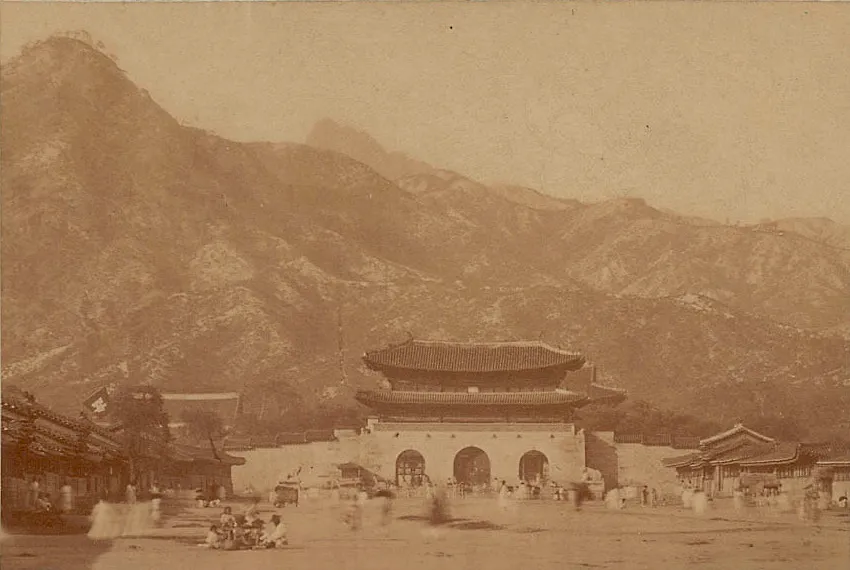
For centuries Joseon Korea guarded its borders so closely that Westerners called it the Hermit Kingdom. That ended in the second half of the nineteenth century. Treaties with Japan, the United States and the European powers opened Korea’s ports and, in time, its capital. Diplomats, merchants and missionaries moved into Seoul, many of them settling in the Jeong-dong district, where the legations and mission compounds clustered.
The newcomers brought things most Koreans had never seen: cameras, Western medicine, hospitals and schools run by foreigners. To many ordinary people these were strange and not obviously harmless. The country had also seen violence against foreigners before. In 1882 the Imo Incident, a mutiny by soldiers in Seoul, had turned against Japanese and against the court’s reformers. In the middle of 1888, Seoul was a city that was changing quickly and where trust in the newcomers was thin.
The Rumors
In the summer of 1888 a rumor spread through Seoul. It said that foreigners were kidnapping Korean babies and young children. The details varied, and all of them were horrifying. The children’s eyes were said to be taken out and used as lenses in cameras, their blood or internal organs ground up into medicine, and in the worst version the children were cooked and eaten.
The rumors named both Westerners and the Japanese. L. H. Underwood, a physician and missionary, wrote in his book Fifteen Years Among the Top-Knots that a story had gone around that foreigners, chiefly the Japanese, were paying Koreans to steal children so that their hearts and eyes could be cut out for medicine. One lurid account told of a water-carrier who found “a little child whose eyeballs were cooked white” in a kettle in a missionary’s kitchen in Jeong-dong. Another rumor claimed that the American minister, Hugh Dinsmore, ate roasted Korean children at his dinner table.
These stories had a pattern. Photography really did seem uncanny to people who had never seen a camera, and foreign medical care did involve operations and cutting. The similar fear that missionaries stole children had already turned deadly in China, in the Tianjin Massacre of 1870. Rumors of this kind are very old, and they tend to catch on where a community already feels threatened by outsiders.
Crowds at the Gates
Koreans gathered outside the hospitals, schools and churches that the foreigners ran, and shouted against the “baby-snatchers” inside. The alarm was real enough that many in the foreign community were frightened by the ferocity of the crowds and began to prepare to leave Korea.
The legations pressed the Joseon government to act. France, Russia and the United States sent marines to protect their nationals in Jeong-dong. The exact number of men and the details of their deployment are not clearly documented in the sources available for this account, and the same goes for casualties: the sources consulted here mention no deaths among the foreign community, and no firm figures for Korean victims.
The Government Responds
The Korean court, under pressure, did what the foreign diplomats wanted, though reluctantly. It issued proclamations denouncing the rumors as false, and it arrested several people believed to have spread them. These steps were eventually enough to restore calm. The crisis had threatened to give the foreign powers a reason to intervene, and the court had every reason to end it quickly.
Who Started It?
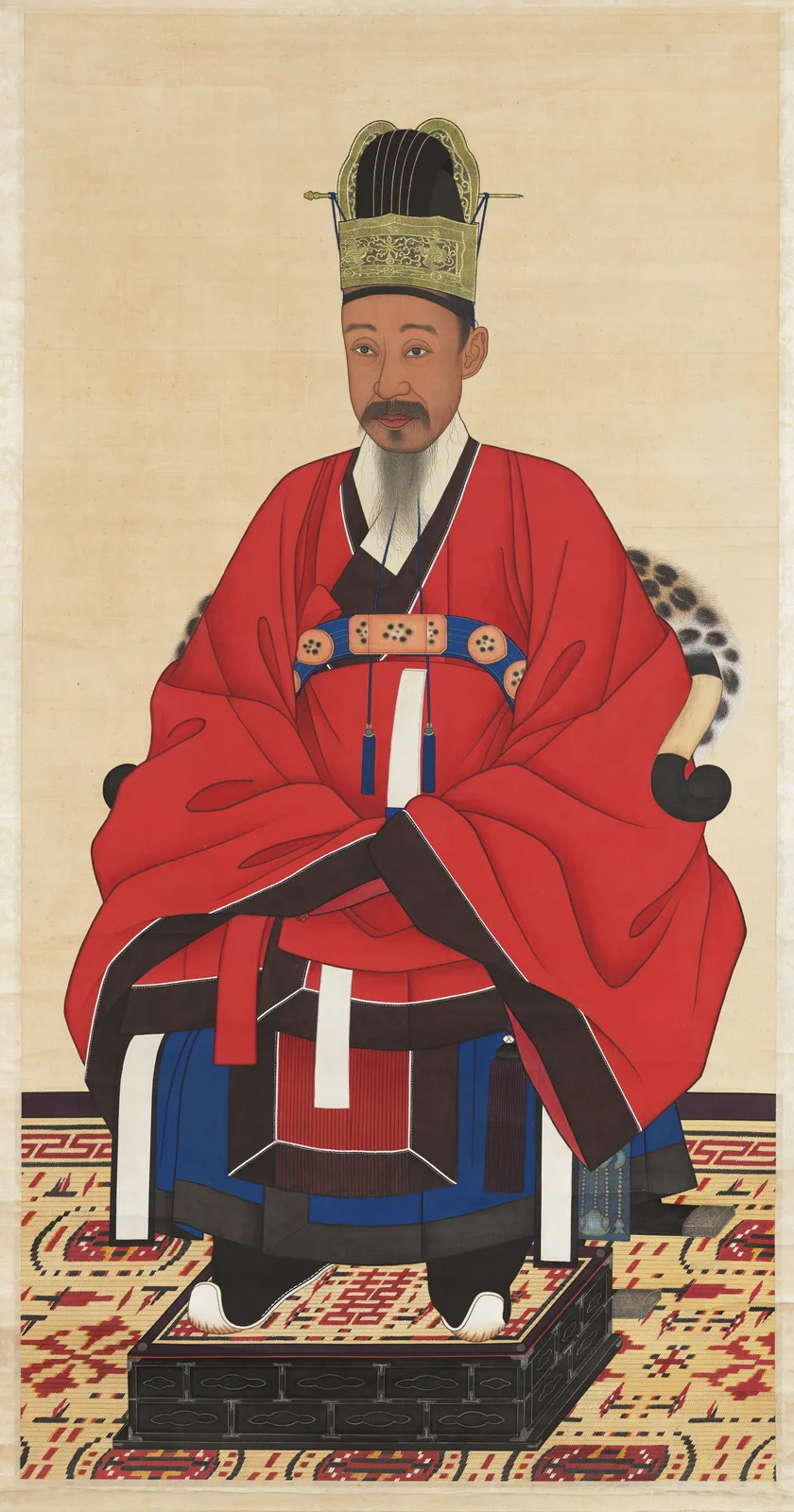
Nobody has settled where the rumors came from. Early speculation pointed to the Heungseon Daewongun, the king’s conservative father, who had a long record of hostility to foreigners and had been linked to the 1882 Imo Incident.
A second theory pointed at Yuan Shikai, the representative in Seoul of the Qing dynasty, which still claimed suzerainty over Korea. The American minister, Hugh Dinsmore, suggested that Yuan orchestrated the riots in order to destabilise Gojong and replace him with a ruler more pliable to Chinese interests. Others thought Yuan’s aim was to scare off foreign investment or provoke a military intervention. Yuan denied it, telling his superior Li Hongzhang that he had nothing to do with it. As one account puts it, “If Yuan was involved, it was a calculated risk.”
These are theories, not findings. The record available here does not prove any of them.
What the Riot Shows
The Baby Riot is a good example of how fear spreads through a place that is changing quickly. The rumors did not need proof. They drew on existing worries about strangers, new technology and the safety of children, and they lasted until the authorities, under foreign pressure, stopped them. It is also a reminder of how little the surviving record tells us about the many ordinary people who took part, and how much of what we know comes from the foreign residents who feared them.
Archival Evidence & Picture Credits
Every image on this page was checked against its Wikimedia Commons file page.
- Gwanghwamun, the main gate of Gyeongbokgung palace in Seoul, in the 1880s (Wikimedia Commons) - Wikimedia Commons file page
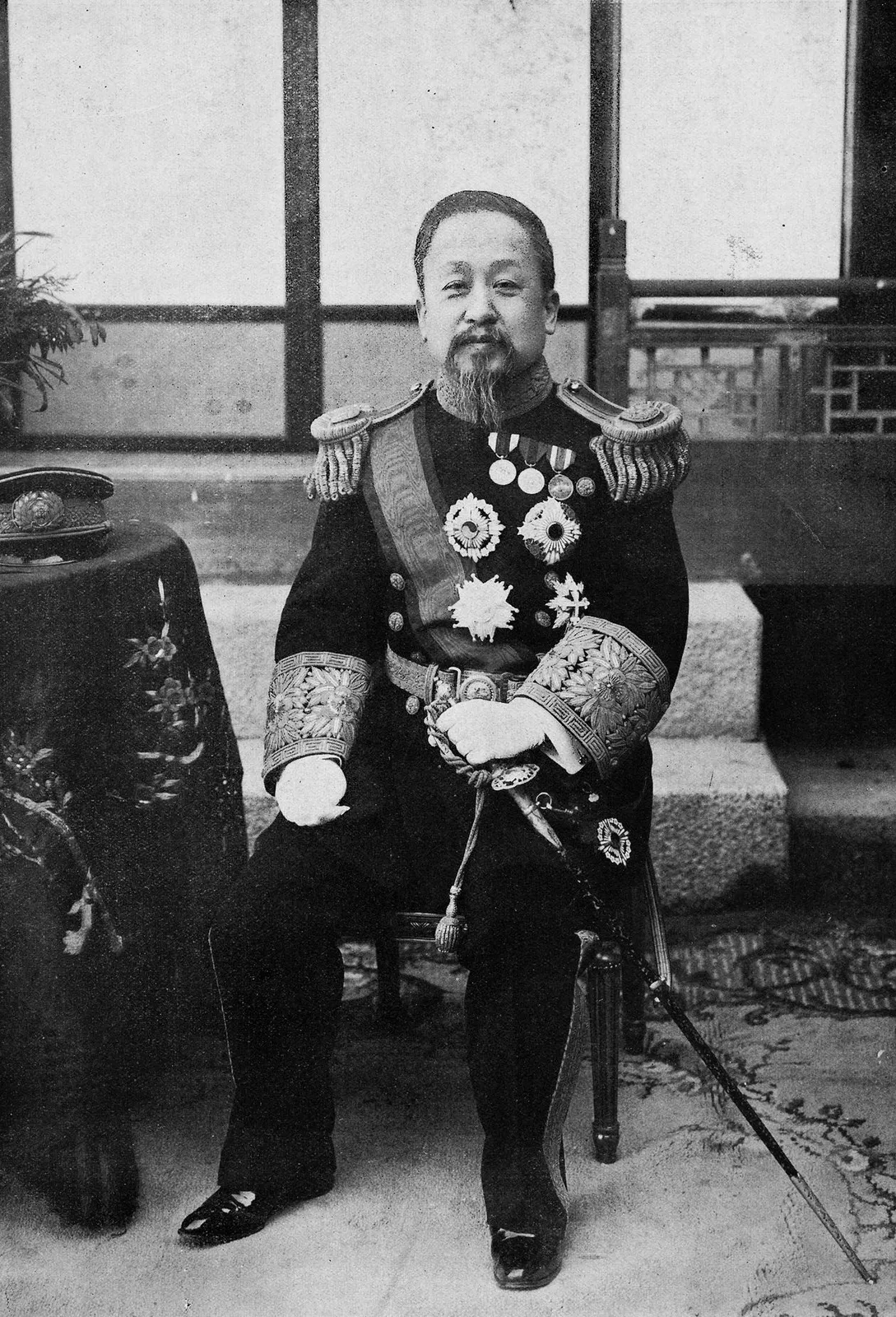
- King Gojong, whose government was pressed to denounce the rumors (Wikimedia Commons) - Wikimedia Commons file page
- The Heungseon Daewongun, the king’s father and a longtime opponent of foreign influence (Wikimedia Commons) - Wikimedia Commons file page


What the Record Shows
6 claims in this story, resting on the sources below. The record for this event is thin, and the claims are kept to what those sources state. Numbers link to the bibliography.
- In the summer of 1888, rumors spread in Seoul that foreigners were kidnapping Korean children, taking their eyes for cameras, using their organs for medicine, and eating them - sources: 1, 2
- Koreans gathered outside foreign-run hospitals, schools and churches to protest against the supposed baby-snatchers - sources: 1
- French, Russian and American marines were summoned to protect the Western community in Jeong-dong - sources: 1, 2
- The Joseon government, pressed by the foreign legations, reluctantly denounced the rumors, and arrested several agitators - sources: 1, 2
- The origin of the rumors is disputed: suspects included the Heungseon Daewongun and the Qing representative Yuan Shikai, who denied involvement - sources: 1, 2
- The physician and missionary L. H. Underwood recorded a version of the rumor in which foreigners, chiefly the Japanese, paid Koreans to steal children - sources: 1
Verified Archival Sources & Bibliography
Every claim in this account has been checked against the sources below. The source base is limited, and casualty figures and exact dates are not established by it.
- Wikipedia: Baby Riot of 1888 (reference)
- The Korea Times: When rumors turn deadly (2): Anti-foreigner fear in Korea’s past (news)
- PubMed: Contesting a Medical Gaze: The 1888 Baby Riot in Seoul (academic, listed for further reading)
Echoes of History Uncut. "Rumors Said Foreigners Were Eating Babies. Seoul Panicked.." Echoes of History Uncut. Last modified September 16, 2026. https://echoesofhistoryuncut.com/articles/baby-riot-1888-korea/.

An independent history publication using AI-assisted research, drafting and production. Consult each article’s citations and limitations; source inclusion does not establish independent verification of every claim.
▶
Watch the Complete Archival Documentary on YouTube
Subscribe to Echoes of History Uncut on YouTube for full widescreen 16:9 documentaries, primary archival footage, and declassified deep dives.