
The Imperial Trans-Antarctic Expedition
In this dossier (10 chapters) ▾
- 01 The Goal of the Expedition
- 02 Planning and Early Departure
- 03 Crew and Initial Voyage
- 04 Stranded in the Ice
- 05 The Journey to Rescue
- 06 Later Years and Legacy
- 07 The Discovery of Endurance
- 08 What the Record Shows
- 09 Archival Evidence & Picture Credits
- 10 Verified Archival Sources & Bibliography
The Goal of the Expedition
Shackleton was to be the leader of the first expedition to cross the Antarctic continent. He conceived the expedition to make the first land crossing of the Antarctic continent, planning a route from the Weddell Sea to the Ross Sea. His charm and enthusiasm helped to raise the necessary funds.
Planning and Early Departure
Shackleton made his plans public in a letter to The Times. He incorporated reports of possible landing sites in Vahsel Bay from a German expedition under Wilhelm Filchner.
Crew and Initial Voyage
The crews for the two arms of the expedition were trimmed down. Frank Wild was chosen as second-in-command, and Tom Crean, who had been awarded the Albert Medal for saving Lieutenant Edward Evans, signed on as second officer. Sir Daniel Gooch joined as a temporary crewman. The expedition left England on the outbreak of the First World War.
Stranded in the Ice
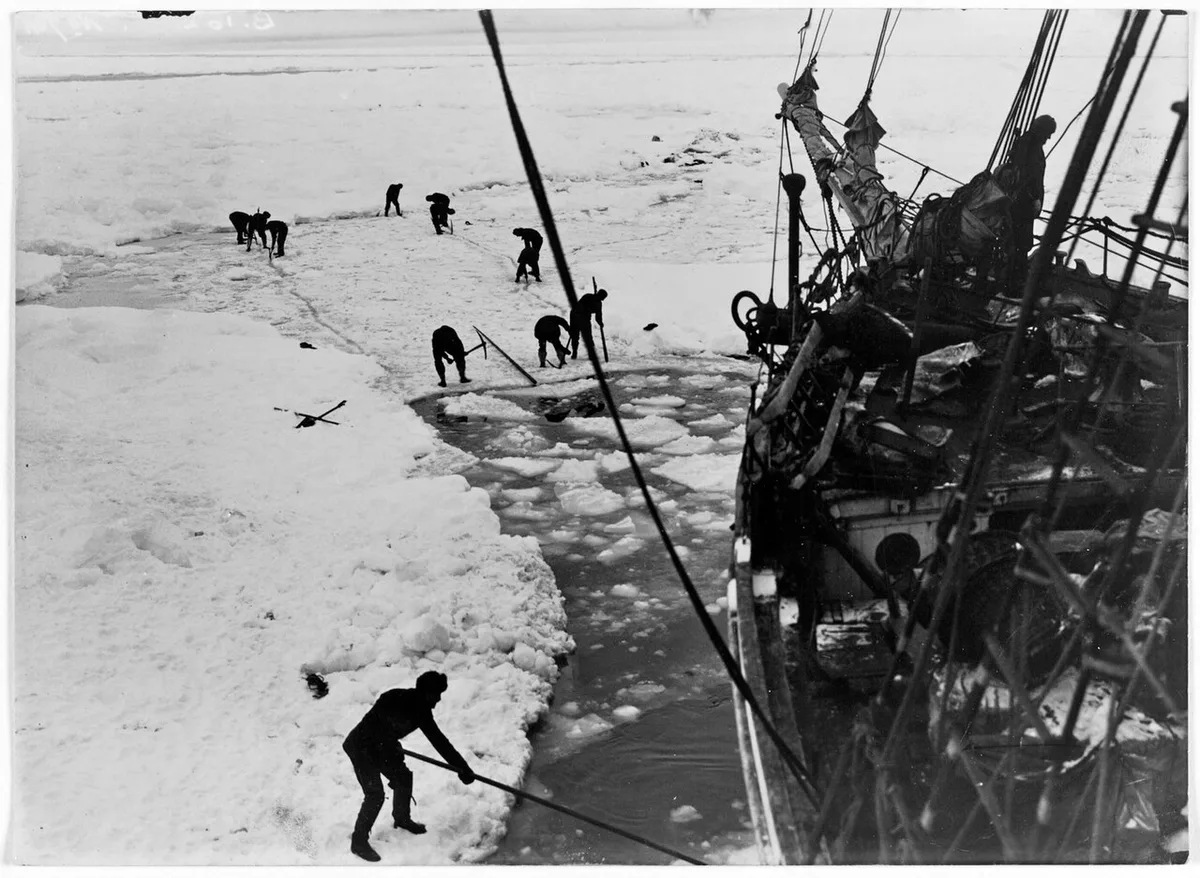
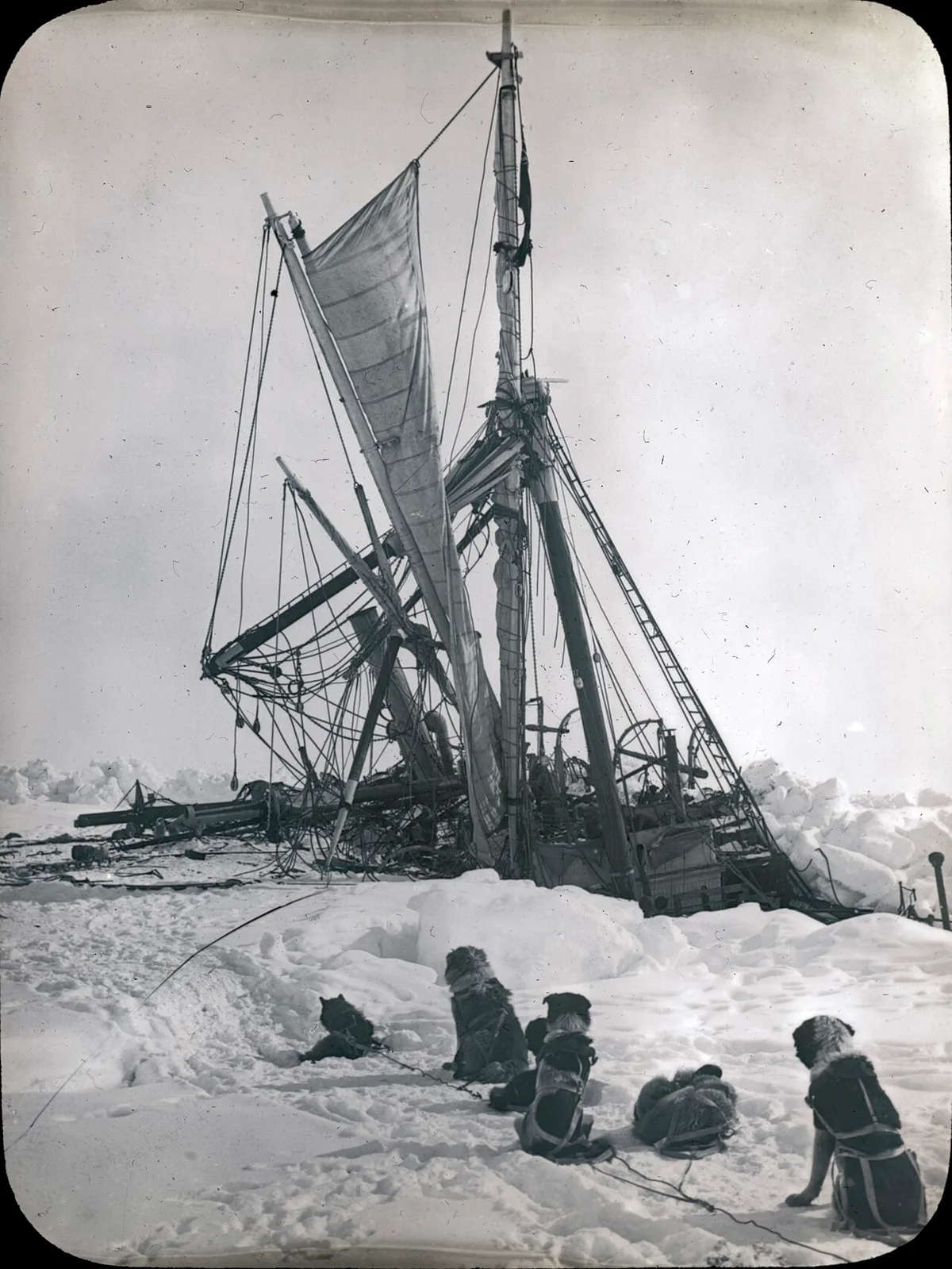
The ship HMS Endurance became trapped in the ice of the Weddell Sea and sank after months on the ice. The men remained camped on the drifting ice until April 1916. The entire company of 28 men spent five months camped on the ice before escaping in three lifeboats to Elephant Island.
The Journey to Rescue
Shackleton and five others made an epic open boat journey from Elephant Island to South Georgia. From there, Shackleton, ship’s captain Frank Worsley, and Tom Crean walked across the island to the whaling station at Stromness. The steam tug Yelcho rescued the men on Elephant Island in August 1916.
Later Years and Legacy
The Imperial Trans-Antarctic Expedition was the last major expedition of the Heroic Age of Antarctic Exploration. Years later, the Shackleton–Rowett Expedition on Quest left London. Shackleton died of a heart attack while Quest was anchored at South Georgia. Several Endurance crew members, including Wild, Worsley, and cook Charles Green, sailed with Quest.
The Discovery of Endurance
It is known that a team of scientists, historians, and filmmakers located HMS Endurance off the coast of Antarctica. The ship was found after it sank.
What the Record Shows
26 sourced claims in this story, resting on 5 sources. Numbers link to the bibliography below.
- Shackleton was to be the leader of the first expedition to cross the Antarctic continent. - source: 1
- Sir Ernest Shackleton conceived the expedition to make the first land crossing of the Antarctic continent. - source: 2
- Shackleton led an expedition to cross the Antarctic continent from the Weddell Sea to the Ross Sea. - source: 3
- Shackleton’s charm and enthusiasm helped to raise the necessary funds. - source: 1
- Shackleton made his plans public in a letter to The Times on December 29, 1913. - source: 2
- Shackleton incorporated Filchner’s reports of possible landing sites in Vahsel Bay into his developing expedition plans. - source: 2
- A German expedition under Wilhelm Filchner had sailed from South Georgia in December 1911. - source: 2
- The crews for the two arms of the expedition were trimmed down to 28 apiece. - source: 2
- Frank Wild was chosen as Shackleton’s second-in-command. - source: 2
- Tom Crean, awarded the Albert Medal for saving Lieutenant Edward Evans, signed on as Endurance’s second officer. - source: 2
- Sir Daniel Gooch, grandson of the railway pioneer Daniel Gooch, joined the expedition as a temporary crewman. - source: 2
- The expedition left England on the outbreak of the First World War. - source: 3
- Endurance became trapped in the ice of the Weddell Sea and sank after months on the ice. - source: 2
- The men remained camped on the drifting ice until April 1916. - source: 4
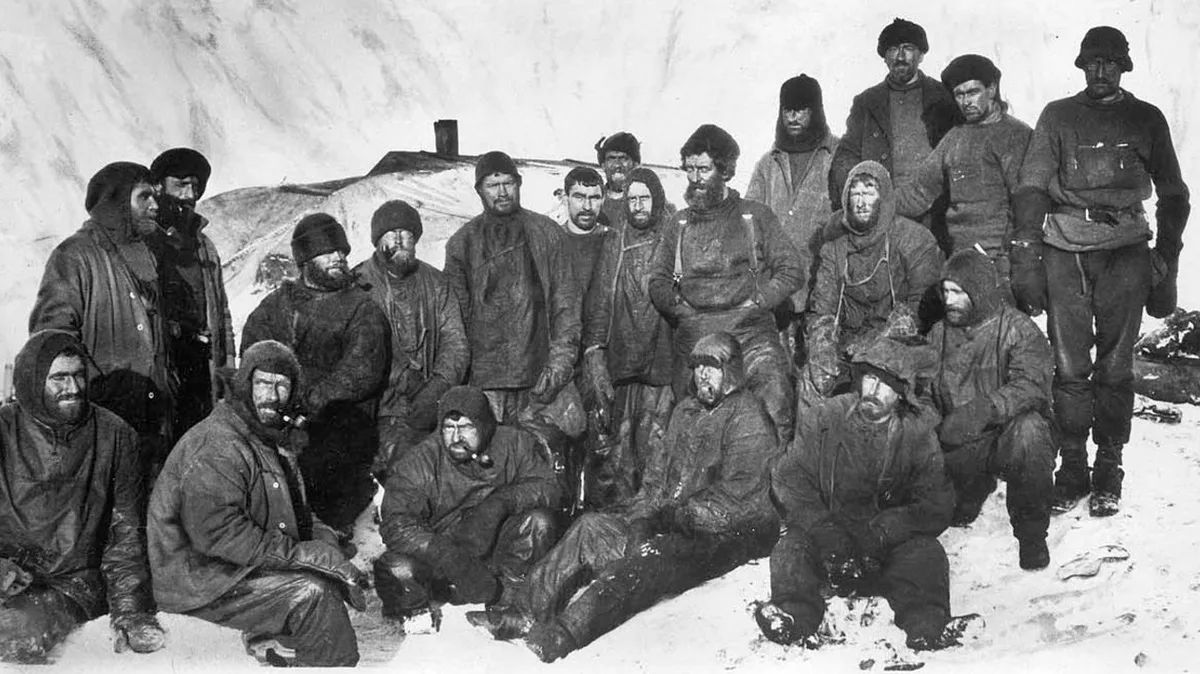
- The entire company (28 men) spent five months camped on the ice before escaping in the three lifeboats to Elephant Island. - source: 3
- Shackleton and five others made an epic open boat journey from Elephant Island to South Georgia. - source: 4
- Shackleton, ship’s captain Frank Worsley, and Antarctic veteran Tom Crean walked across the island to the whaling station at Stromness. - source: 4
- The steam tug Yelcho rescued the men on Elephant Island in August 1916. - source: 3
- The Imperial Trans-Antarctic Expedition was the last major expedition of the Heroic Age of Antarctic Exploration. - source: 2
- The Shackleton–Rowett Expedition on Quest left London on 17 September 1921. - source: 2
- Shackleton died of a heart attack on 5 January 1922, while Quest was anchored at South Georgia. - source: 2
- The Endurance crew members who sailed with Quest included Wild, Worsley, Macklin, McIlroy, Hussey, Alexander Kerr, Thomas McLeod, and cook Charles Green. - source: 2
- Sir Ernest Shackleton’s ship, HMS Endurance, was located by a team of scientists, historians, and filmmakers. - source: 5
- The ship was found off the coast of Antarctica. - source: 5
- The ship was found by a team of scientists, historians, and filmmakers. - source: 5
- The ship was found 107 years after it sank. - source: 5
Archival Evidence & Picture Credits
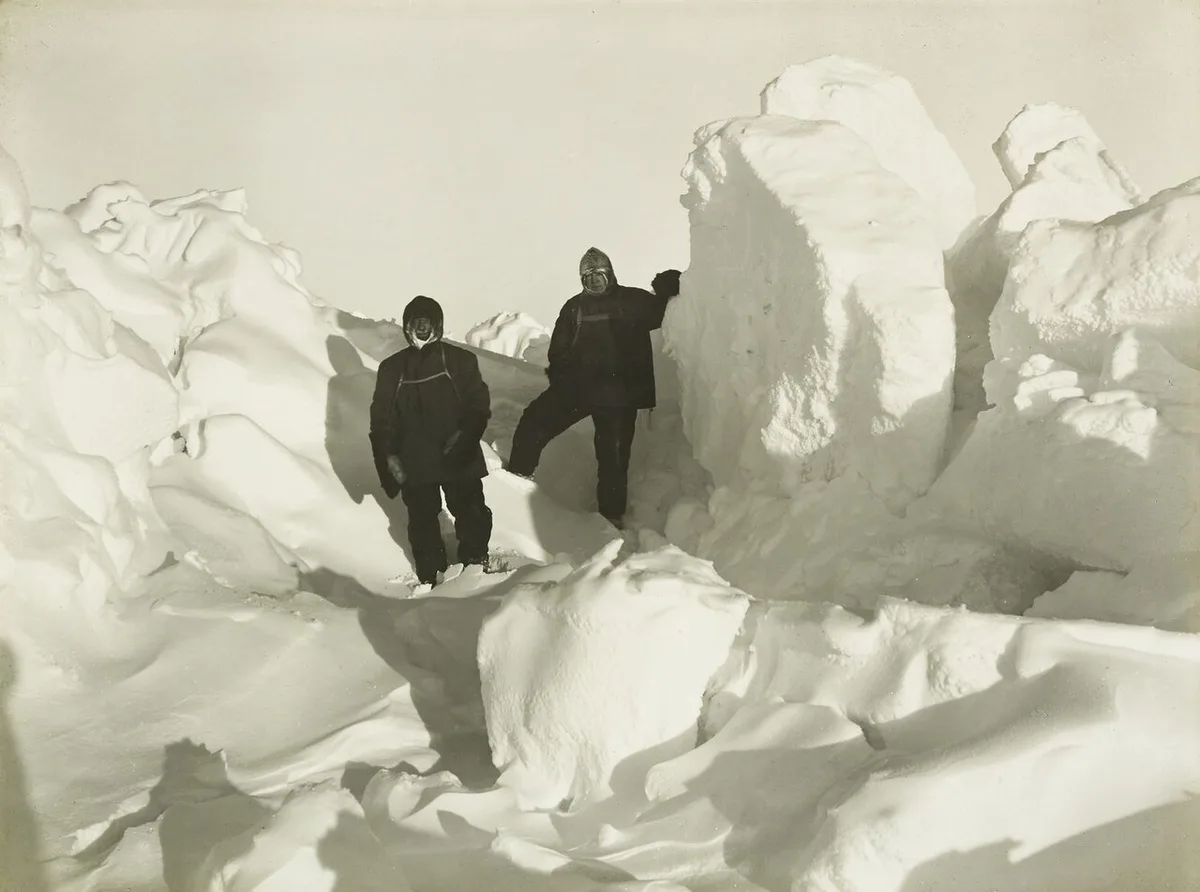
- WildAndShackletonInTheHeavyPressure (Public domain, Frank Hurley) - Wikimedia Commons file page
- TryingToCutAWayForTheShip (Public domain, Frank Hurley) - Wikimedia Commons file page
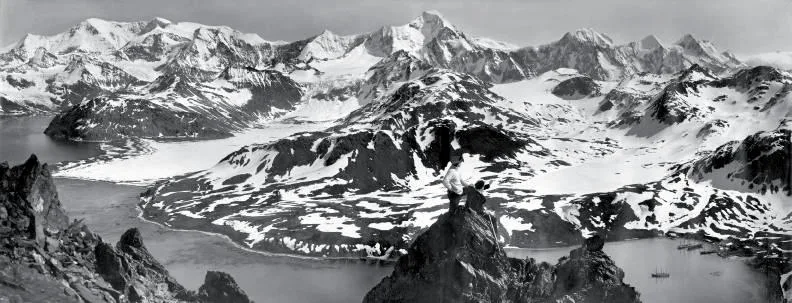
- PanoramaOfSouthGeorgia (Public domain, Frank Hurley) - Wikimedia Commons file page
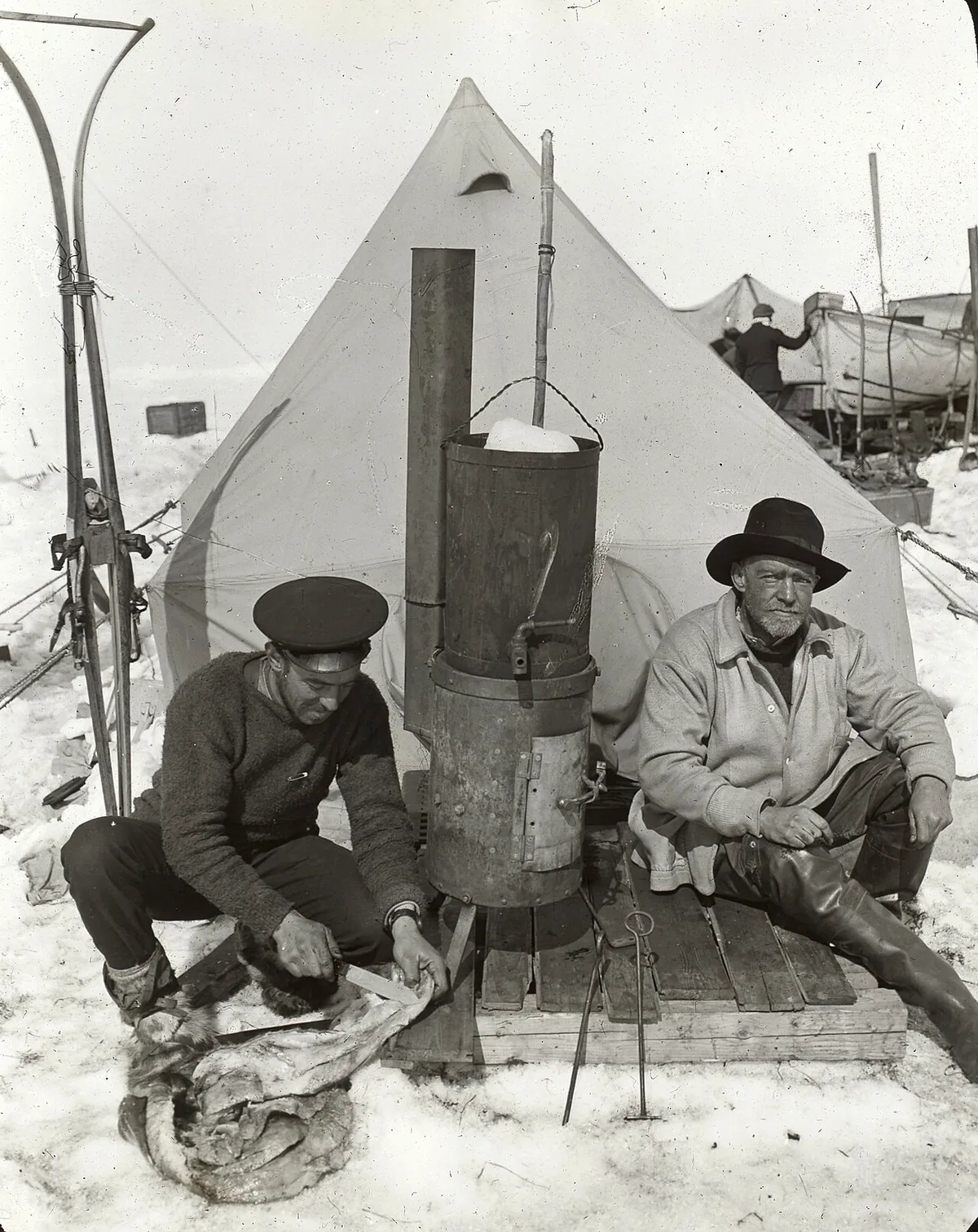
- Hurley and Shackleton, Antarctic Ice Flow, 1914-1915 State Library NSW a423023h (Public domain, Unknown author Unknown author) - Wikimedia Commons file page
- Endurance Final Sinking (Public domain, Frank Hurley) - Wikimedia Commons file page
- Elephant island party (cropped) (Public domain, Frank Hurley) - Wikimedia Commons file page
- Aurora 1914 Sydney Harbour (CC0, William Hall collection - Australian National Maritime Museum’s) - Wikimedia Commons file page


