
The Congressman Who Walked Into Jonestown
On November 18, 1978, Congressman Leo Ryan was shot dead at an airstrip in Guyana after investigating the Peoples Temple settlement at Jonestown. That day 918 people died in a coordinated mass murder-suicide, the greatest single loss of American civilian life in a deliberate act before September 11, 2001.

In this dossier (11 chapters) ▾
- 01 A Church That Preached Integration
- 02 California and Political Power
- 03 The Move to Guyana
- 04 Life Inside Jonestown
- 05 The Congressman Who Asked Questions
- 06 Port Kaituma, November 17–18
- 07 The Deaths at Jonestown
- 08 Aftermath and Legacy
- 09 What the Record Shows
- 10 Archival Evidence & Picture Credits
- 11 Verified Archival Sources & Bibliography
Historical Dossier: The Peoples Temple, the Ryan delegation and the deaths of November 18, 1978 Location: Indianapolis, Redwood Valley and San Francisco (United States); Jonestown and Port Kaituma (Guyana) | Year: 1955–1978 | Key Figures: Jim Jones, Congressman Leo Ryan, Jackie Speier, Larry Layton
A Church That Preached Integration
The Peoples Temple was formed by Jim Jones in Indianapolis, Indiana, in 1955. Jones had earlier been a student pastor at a Methodist church, which he left because it barred him from integrating African Americans into his congregation. In 1954 he founded the Community Unity Church in rented space, and in 1955 he bought a building in a racially mixed Indianapolis neighborhood and renamed the church Peoples Temple Full Gospel Church.
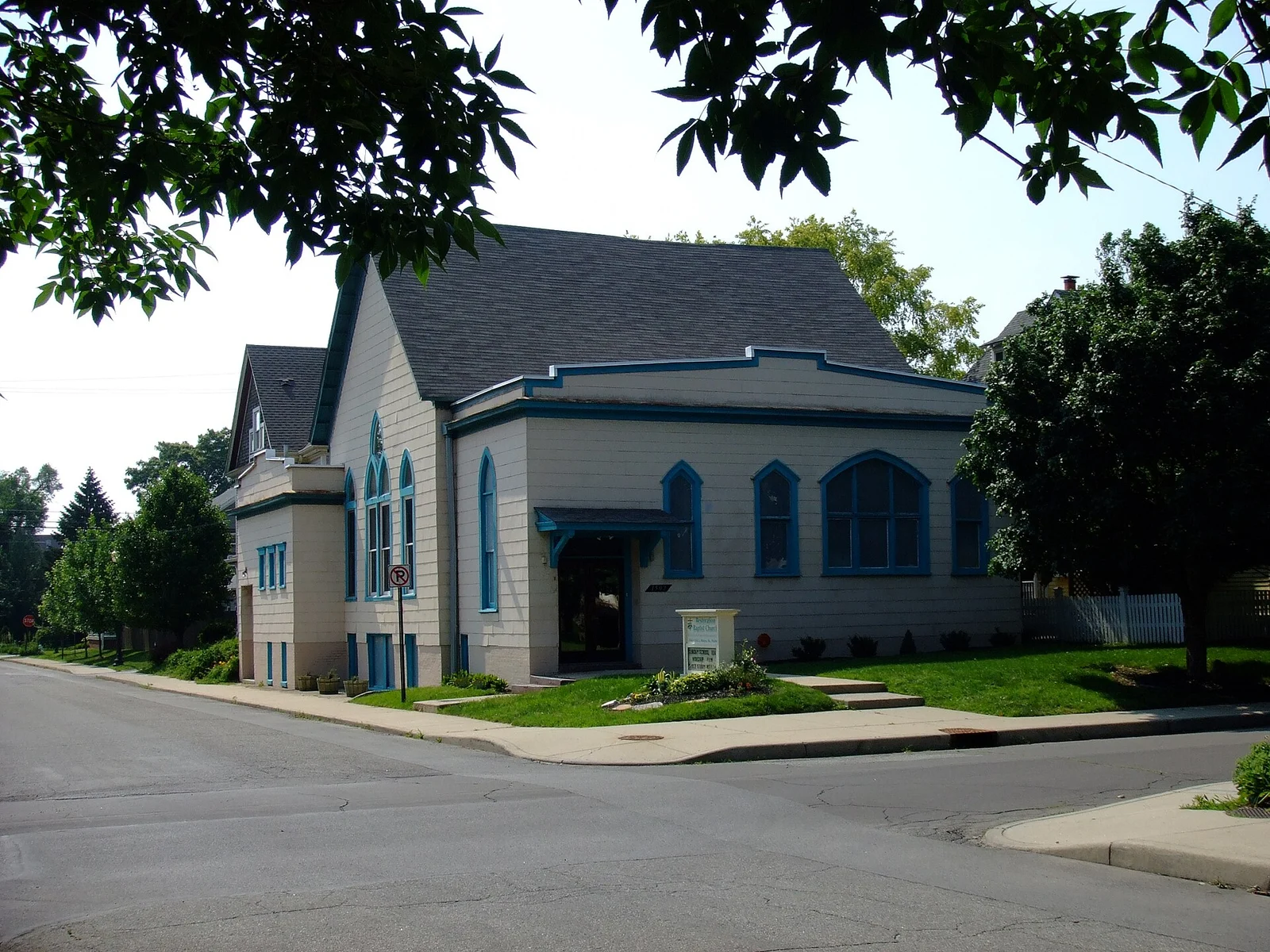
The early Temple did real social work. In February 1960 it opened a soup kitchen and added rent help, job placement and coal for heating, serving an average of about 2,800 meals a month. Black membership rose from about 15 percent to nearly 50 percent. Jones was appointed to the Indianapolis Human Rights Commission and made public attempts to integrate local businesses. The same sources record a darker side: Jones and the Temple’s members knowingly faked healings, presenting animal tissue as removed cancers. The message he preached he called apostolic socialism, and later religious communalism, in which members gave their property to the Temple.
California and Political Power
After Jones received considerable criticism in Indiana for his integrationist views, the Temple moved to Redwood Valley, California, in 1965. In July of that year about 140 of his most loyal followers began the move. In the early 1970s the Temple opened branches in Los Angeles and San Francisco and eventually moved its headquarters to San Francisco.
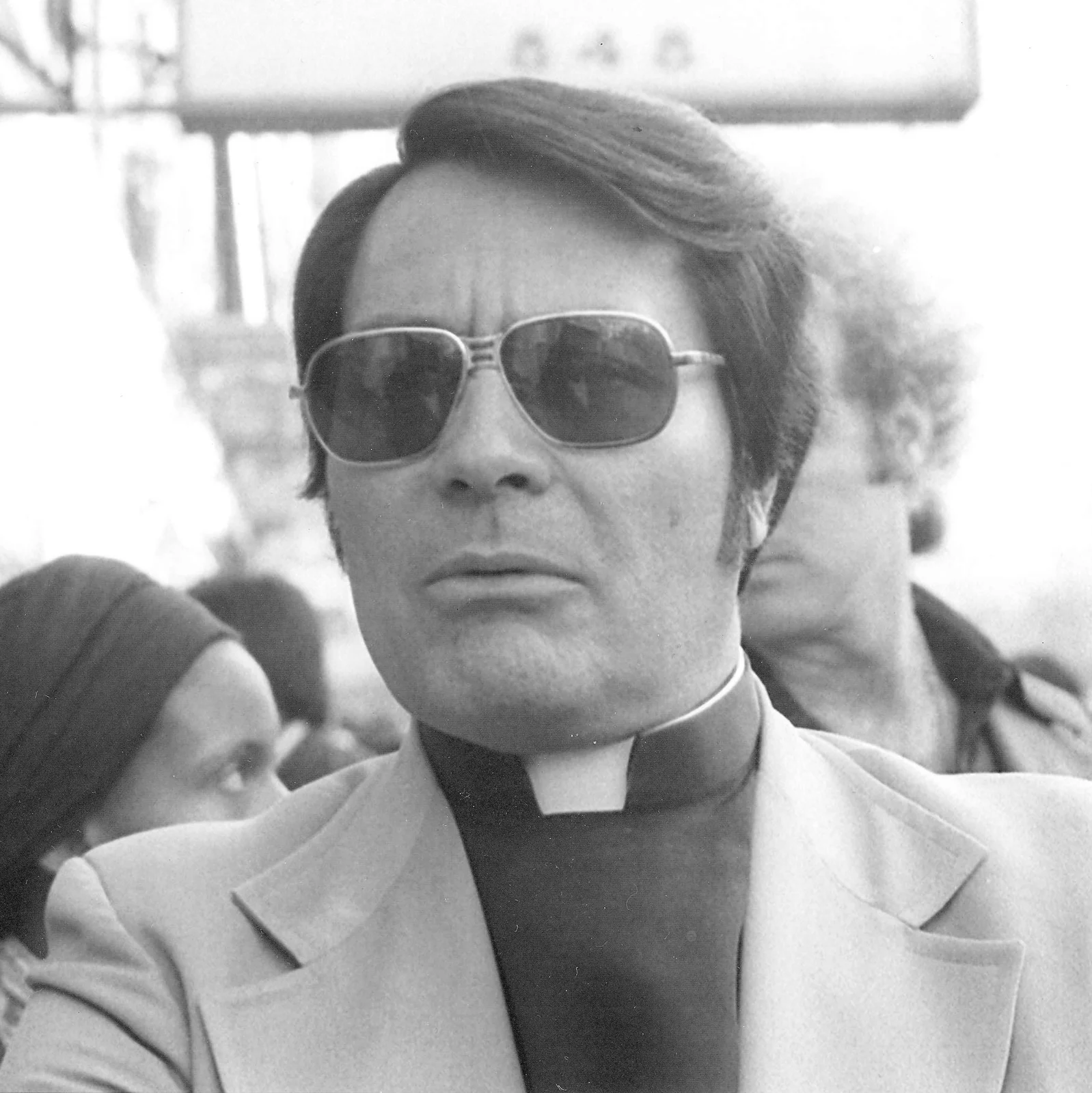
In San Francisco the Temple became a political force. After it helped elect George Moscone mayor in 1975, Moscone appointed Jones chairman of the San Francisco Housing Authority. The Temple had access to Walter Mondale and Rosalynn Carter, and the guests at a 1976 testimonial dinner included Governor Jerry Brown, Lieutenant Governor Mervyn Dymally and Assemblyman Willie Brown. Years later Guyana’s Prime Minister, Forbes Burnham, said his government allowed the Temple to operate on the strength of references from Moscone, Mondale and Carter.
The Move to Guyana
The Temple had been planning for an escape for years. In fall 1973, after critical newspaper articles by Lester Kinsolving and the defection of eight Temple members, Jones and the Temple’s attorney, Timothy Stoen, drew up an “immediate action” contingency plan, and Guyana was chosen. In October 1973 the Temple’s directors passed a resolution to establish an agricultural mission there. In 1974, after traveling to northwestern Guyana with Guyanese officials, Jones and the Temple negotiated a lease of over 3,800 acres of jungle, about 150 miles west of the capital, Georgetown.
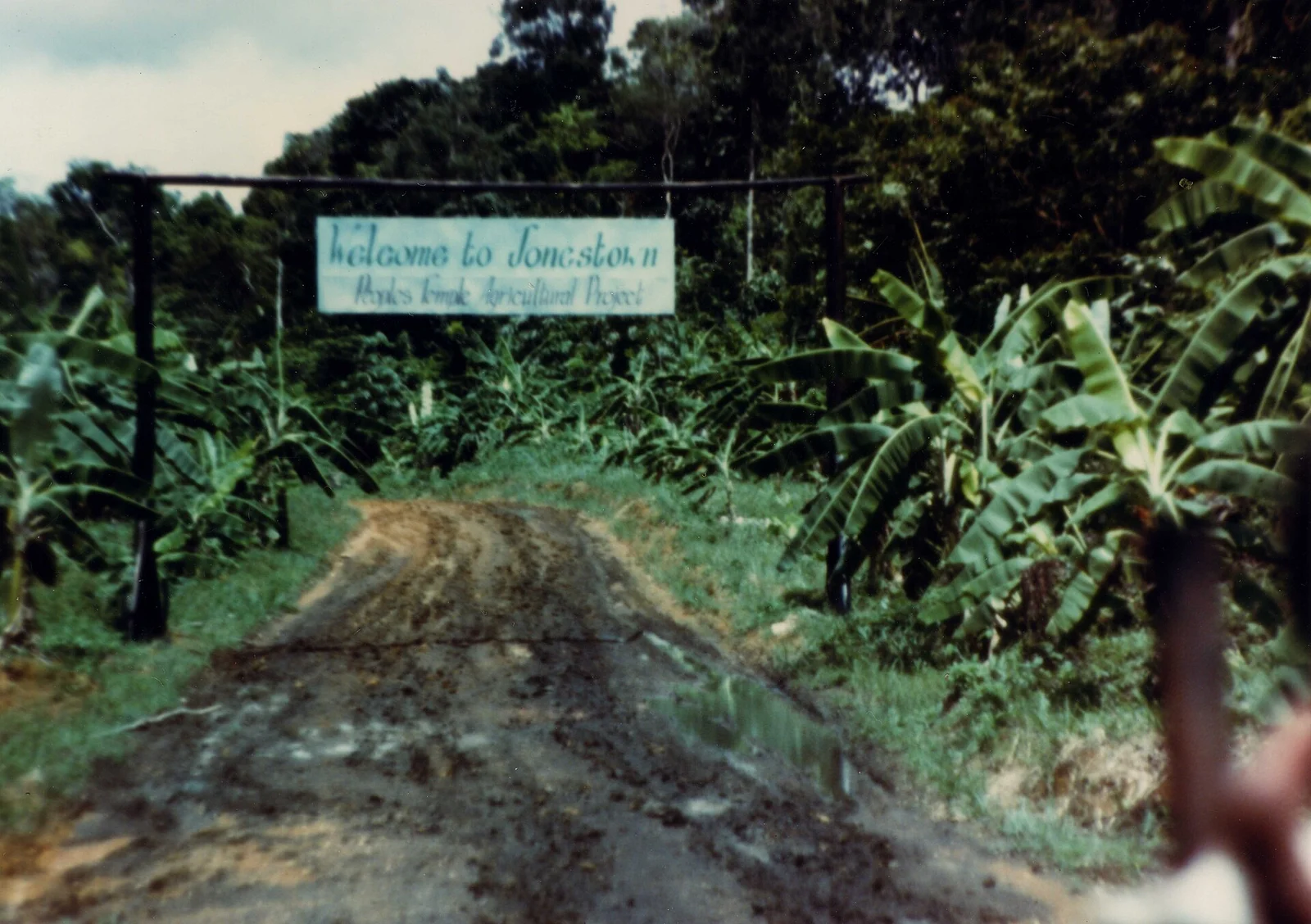
The site was a poor one for farming. It had soil of low fertility, and the nearest body of water was seven miles away by muddy roads. The big move came in the summer of 1977. Jones left the same night that an editor at New West magazine read to him an article, to be published by Marshall Kilduff, detailing allegations of abuse by former Temple members. Jones and several hundred Temple members moved to Jonestown to escape the building pressure from San Francisco media investigations of the community.
Life Inside Jonestown
The settlement was run on Jones’s terms. At first members worked six days a week, from about 6:30 a.m. to 6:00 p.m.; in mid-1978 the schedule was cut to eight hours a day, five days a week. Evening classes on socialism were held at the central pavilion, and Jones compared the routine to North Korea’s eight hours of daily work followed by eight hours of study. He described the community in his own words: “I believe we’re the purest communists there are.”
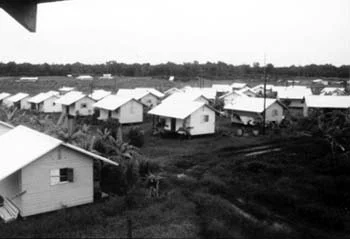
Jones did not permit members to leave Jonestown without his express prior permission, and Wikipedia’s account says the Temple gradually subjected followers to sophisticated mind control and behavior modification techniques. Population figures differ by source: one account puts the community at slightly under 900 at its peak in 1978, while another says roughly 1,000 Temple members.
The Congressman Who Asked Questions
Back in California, relatives were alarmed. A “Concerned Relatives” group, which consisted primarily of Californians, as did the Temple, pressed officials to act, and its leader was Timothy Stoen, who had defected from the Temple and was in a custody dispute with Jones. Ryan was one of 91 congressmen to write to Prime Minister Burnham on Stoen’s behalf. According to the San Francisco Chronicle, the State Department repeatedly stonewalled Ryan’s attempts to find out what was going on in Jonestown.
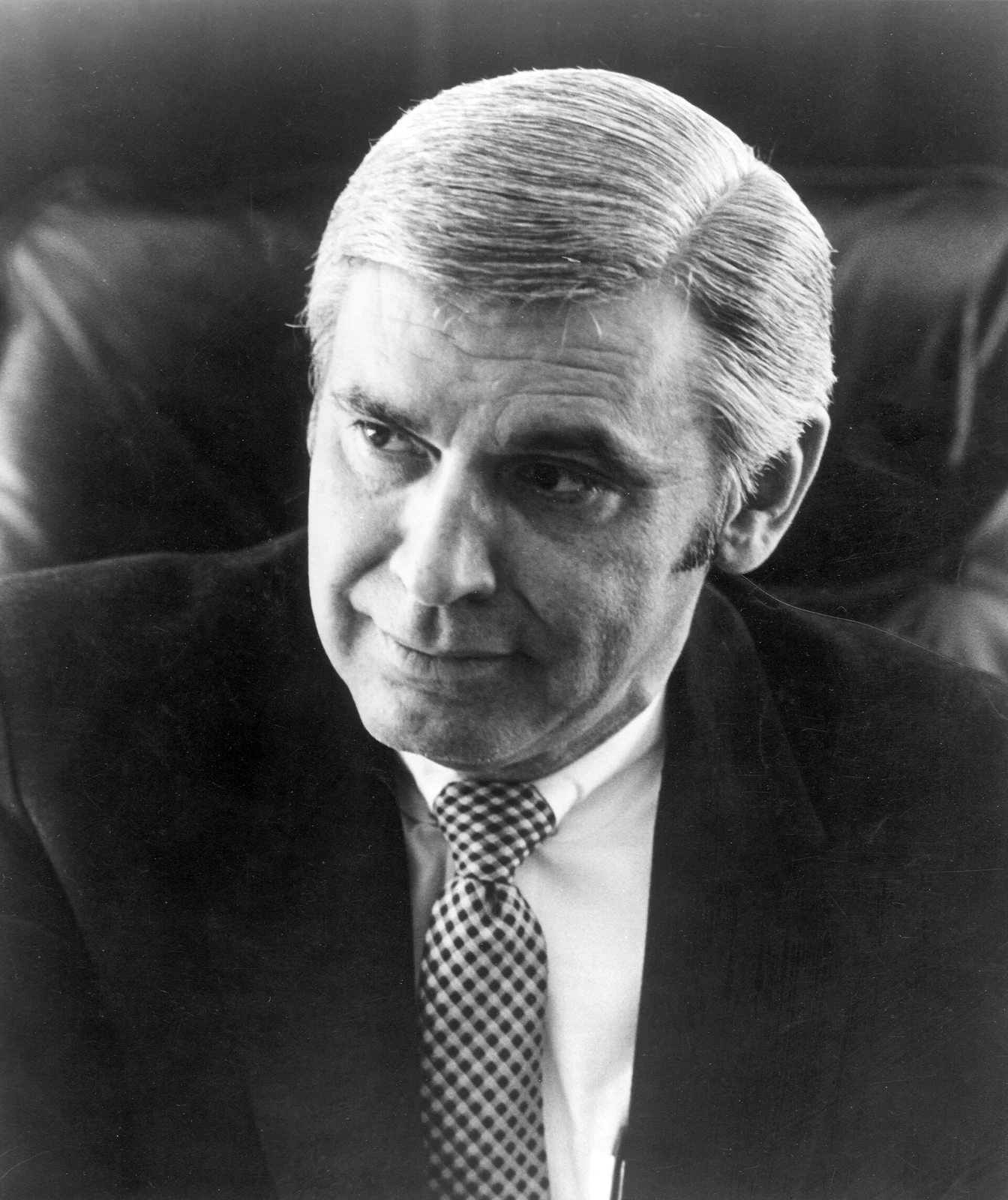
Leo Ryan, a Democrat who represented California’s 11th congressional district from 1973, was not a conventional politician. In 1970, as a California assemblyman, he had spent ten days as an inmate at Folsom State Prison under a pseudonym to see conditions for himself. His decision on Jonestown was influenced both by the Concerned Relatives group and by his own distaste for social injustice. Ryan’s stated view was that a settlement deep in the bush might reasonably be run on authoritarian lines, but that its residents had to be free to leave; if it turned out to be a “gulag,” he said, he would “free the captives.”
In November 1978 he led an investigative delegation to Jonestown, with governmental permission and funding, in his role as chair of a congressional subcommittee with jurisdiction over U.S. citizens living in foreign countries. The group included his aide Jackie Speier, the U.S. Deputy Chief of Mission, Richard Dwyer, relatives of Temple members, and a press contingent including NBC reporter Don Harris, NBC cameraman Bob Brown and San Francisco Examiner photographer Greg Robinson.
Port Kaituma, November 17–18
Ryan arrived in Georgetown on November 14. When he asked to speak with Jones by radio, Sharon Amos, the highest-ranking Temple member present, said he could not because the visit was unscheduled. On November 17 the group flew to Port Kaituma. At first only the Temple’s counsel was allowed off the plane; then the entire party, excluding one reporter, was allowed in. During the visit a note reached Don Harris: “Vernon Gosney and (Temple member) Monica Bagby: please help us get out of Jonestown.” Jones refused to let the delegation stay overnight.
On November 18 the interviews resumed. Around 3:00 p.m., 14 Temple defectors, and Larry Layton posing as a defector, boarded a truck and were taken to the airstrip. Earlier that day, according to the Jonestown Institute at San Diego State University, a Temple member named Donald Sly had attacked Ryan with a knife. Dwyer ordered Ryan to leave, and Ryan promised to return later to address the dispute.
The party reached the airstrip by 4:45 p.m. A Twin Otter and a six-seat Cessna arrived at 5:10 p.m. Larry Layton, from inside the Cessna, opened fire, wounding several people. At the same time, several other Temple members who had escorted the group out began to open fire on the transport plane. Five people were killed: Ryan; the NBC reporter Don Harris and cameraman Bob Brown; the Examiner photographer Greg Robinson; and Temple defector Patricia Parks. Nine others were wounded, including Jackie Speier. Passengers on the Cessna subdued Layton.
Layton was acquitted of attempted murder in a Guyanese court, but was convicted in U.S. federal court in 1986 of conspiracy and aiding and abetting the murder of Congressman Ryan. He was sentenced to concurrent life terms, served 18 years, and was paroled in April 2002. He was the only former Temple member tried in the United States for criminal acts related to Jonestown. The FBI indictment named a further dozen Temple members as gunmen; all died at Jonestown, and the Jonestown Institute notes that the identification of individual shooters may never be known for certain.
The Deaths at Jonestown
The Jonestown settlement’s deaths followed the murder of five others at Port Kaituma, an act that Jones ordered. On November 18, 1978, 918 people died in a coordinated mass murder-suicide across three locations: the Jonestown compound, the airstrip, and the Temple’s Georgetown headquarters. Jones and some Peoples Temple members referred to the act as “revolutionary suicide” on an audio tape of the event and in earlier recorded discussions, and armed guards had been ordered to shoot anyone who attempted to flee the settlement as Jones lobbied for suicide.
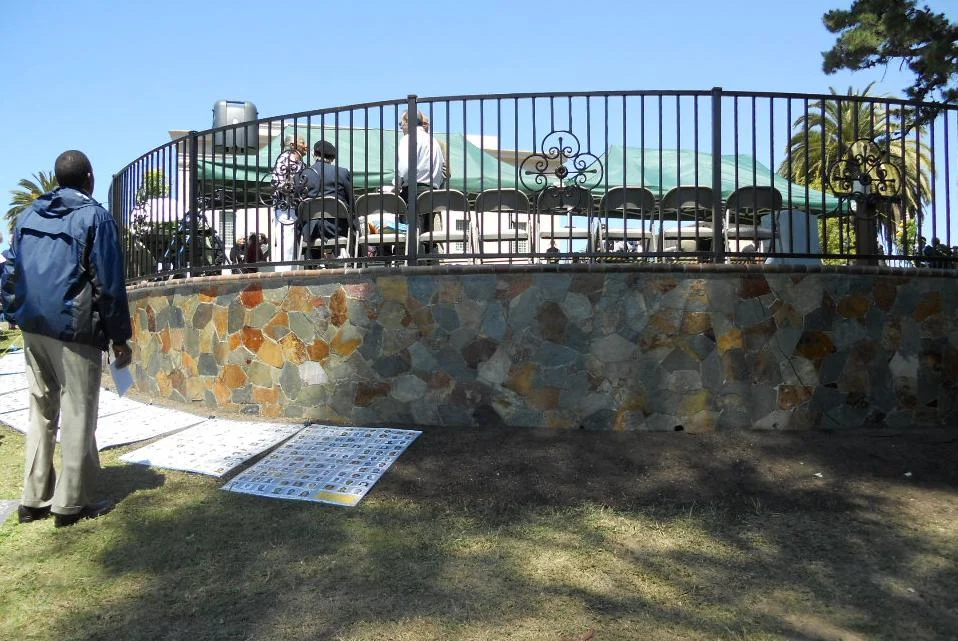
The Jonestown Institute’s count is exact about how the toll adds up: 918 people died in Guyana on November 18. Of that number, 907 died of cyanide poisoning. Two other people at Jonestown, Annie Moore and Jim Jones, died of gunshot wounds, bringing Jonestown’s death toll to 909. Five people were shot at the airstrip, and four others died at the Temple’s headquarters at Lamaha Gardens in Georgetown. Other counts appear because they combine these groups differently; Britannica, for instance, puts the toll among Temple followers at 913.
Word of the deaths reached Port Kaituma in the early hours of November 19, brought by survivors who had escaped from Jonestown. It was not until the next morning that the Guyanese army could cut through the jungle and reach the settlement. The House of Representatives later described the events as a mass suicide-murder ritual.
Aftermath and Legacy
The incident at Jonestown resulted in the greatest single loss of American civilian life in a deliberate act prior to the terrorist attacks of September 11, 2001. The Temple is regarded by scholars and by popular opinion as a destructive cult. The phrase “drinking the Kool-Aid” entered the language because of it, although the drink involved was, according to the accounts of the event, grape Flavor Aid.
In 1983 the United States Congress posthumously awarded Ryan a Congressional Gold Medal. He was the second of two sitting members of the U.S. House of Representatives to be targeted in a successful assassination while in office, after James M. Hinds in 1868. He is buried at Golden Gate National Cemetery in San Bruno, California. The Jonestown archive, a project of the University Library at San Diego State University, publishes documents and recordings from the Temple’s history.
What the Record Shows
13 sourced claims in this story, resting on 6 historical records. Numbers link to the bibliography below.
- Jim Jones formed the Peoples Temple in Indianapolis in 1955, and the Temple moved to Redwood Valley, California, in 1965 - sources: 1, 2
- Moscone appointed Jones chairman of the San Francisco Housing Authority after the Temple helped elect him mayor in 1975 - sources: 1
- In 1974 the Temple negotiated a lease of over 3,800 acres in northwestern Guyana, about 150 miles west of Georgetown - sources: 1
- In summer 1977 Jones and several hundred members moved to Jonestown, the same night a New West magazine editor read him an article detailing allegations of abuse - sources: 1
- Jones did not permit members to leave Jonestown without his prior permission - sources: 1
- Ryan was influenced by the Concerned Relatives group and was one of 91 congressmen to write to Prime Minister Burnham on Stoen’s behalf - sources: 3
- In November 1978 Ryan led an investigative delegation to Jonestown as chair of a subcommittee with jurisdiction over U.S. citizens abroad - sources: 3
- A Temple member, Donald Sly, attacked Ryan with a knife on November 18 - sources: 4
- Temple members opened fire on the transport plane at Port Kaituma, killing Ryan, three journalists and a defecting Temple member, and wounding nine others - sources: 3, 4
- Larry Layton was convicted in U.S. federal court on conspiracy charges and served 18 years - sources: 3, 4
- On November 18, 1978, 918 people died across three locations; 909 died at Jonestown itself - sources: 1, 5
- Armed guards had been ordered to shoot anyone who attempted to flee the settlement - sources: 1
- The incident was the greatest single loss of American civilian life in a deliberate act before September 11, 2001 - sources: 2
Archival Evidence & Picture Credits
Every image on this page was checked against its Wikimedia Commons file page. Four are licensed CC BY-SA and one carries an attribution licence; each is credited below.
- Welcome sign at the entrance to Jonestown, Jonestown Institute photograph, Attribution licence - Wikimedia Commons file page
- Jim Jones’s first church in Indianapolis (2011 photograph), Indytnt, CC BY-SA 3.0 - Wikimedia Commons file page
- Rev. Jim Jones at a San Francisco rally, January 1977, Nancy Wong, CC BY-SA 4.0 - Wikimedia Commons file page
- Houses in Jonestown, Guyana, 1979, Fielding McGehee and Rebecca Moore, CC BY-SA 3.0 - Wikimedia Commons file page
- Leo Ryan, official portrait, U.S. House of Representatives, public domain - Wikimedia Commons file page
- Jonestown memorial service in California, May 2011, Symphony999, CC BY-SA 3.0 - Wikimedia Commons file page


Verified Archival Sources & Bibliography
Claims in this account were checked against the following references:
- Wikipedia: Jonestown (reference)
- Wikipedia: Peoples Temple (reference)
- Wikipedia: Leo Ryan (reference)
- Jonestown Institute, San Diego State University: Who was killed at the Port Kaituma airstrip? (archive)
- Jonestown Institute, San Diego State University: How many people died on November 18? (archive)
- Britannica: Peoples Temple (reference; cited for the 913 count)
Echoes of History Uncut. "The Congressman Who Walked Into Jonestown." Echoes of History Uncut. Last modified October 29, 2026. https://echoesofhistoryuncut.com/articles/jonestown/.

An independent history publication using AI-assisted research, drafting and production. Consult each article’s citations and limitations; source inclusion does not establish independent verification of every claim.
▶
Watch the Complete Archival Documentary on YouTube
Subscribe to Echoes of History Uncut on YouTube for full widescreen 16:9 documentaries, primary archival footage, and declassified deep dives.