
Arijit Singh: From Eliminated Contestant to the World's Most Followed Voice
Eliminated in sixth place on a 2005 television talent show and told his voice lacked commercial appeal, an eighteen-year-old from Murshidabad spent six years behind a mixing console in Mumbai before recording a single scratch vocal that reshaped Indian music—and propelled him past Taylor Swift and Ed Sheeran as the most followed artist on Spotify.

In this dossier (7 chapters) ▾
- 01 Classical Roots in Murshidabad and the 2005 Elimination
- 02 Six Years in the Shadows: The Programmer’s Apprenticeship
- 03 The Scratch Vocal That Changed Indian Cinema: Tum Hi Ho
- 04 Global Stadium Tours and the 119-Million-Follower Milestone
- 05 What the Record Shows
- 06 Archival Evidence & Picture Credits
- 07 Verified Archival Sources & Bibliography
Historical Dossier: The Musical Odyssey of Arijit Singh Location: Jiaganj (Murshidabad), Mumbai, and Global Concert Arenas | Year: 2005–present | Key Figures: Arijit Singh, Rajendra Prasad Hazari, Pritam Chakraborty, Mithoon
Classical Roots in Murshidabad and the 2005 Elimination
In October 2005, an eighteen-year-old singer from Jiaganj, Murshidabad stood under the studio lights of Fame Gurukul, one of India’s most watched television singing competitions, as the host announced his elimination in sixth place. Despite praise from classical musicians and filmmaker Sanjay Leela Bhansali, voting panels and industry executives concluded that his weathered, grainy timbre was too unconventional for mainstream Hindi cinema. Nineteen years later, in August 2024, that same singer—Arijit Singh—crossed 119 million followers on Spotify, overtaking Taylor Swift, Ed Sheeran, and Ariana Grande to become the single most-followed musical artist on Earth.
His ascent was neither an overnight viral fluke nor the product of a major label marketing machine. Instead, it was forged during six anonymous years inside cramped suburban Mumbai recording rooms, where a rejected teenage vocalist reinvented himself as an audio engineer and music programmer before a single demo track permanently altered the sound of modern Indian music.
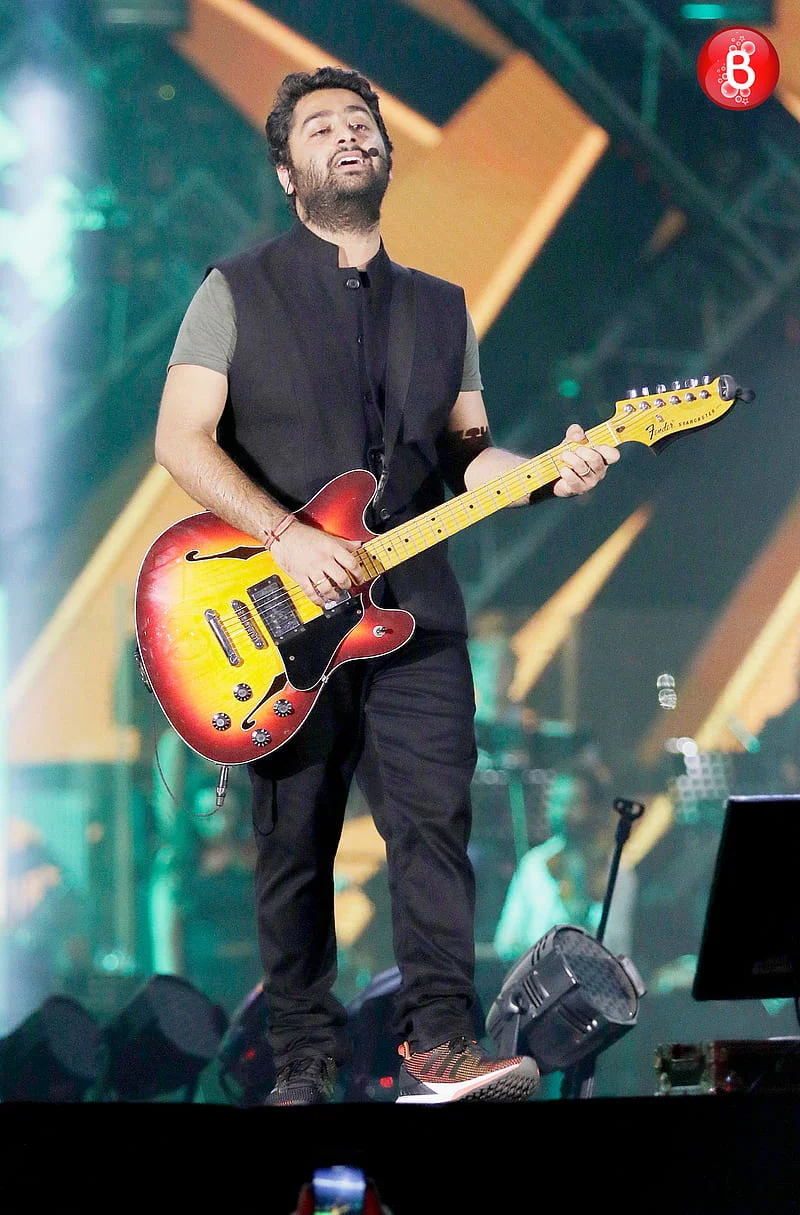
Born on April 25, 1987, in the small riverine town of Jiaganj in West Bengal’s Murshidabad district, Arijit Singh grew up in a household steeped in Hindustani classical and devotional music. His maternal grandmother sang traditional Bengali kirtans, his maternal aunt trained in Indian classical vocal music, and his maternal uncle played the tabla. Recognizing his pitch sensitivity early, his family placed him under the tutelage of the Hazari brothers: Rajendra Prasad Hazari trained him in classical ragas and dhrupad, Dhirendra Prasad Hazari taught him rhythm on the tabla, and Birendra Prasad Hazari schooled him in Rabindra Sangeet and Indian pop composition.
Six Years in the Shadows: The Programmer’s Apprenticeship
Refusing to return to West Bengal in defeat after Fame Gurukul, Singh entered a follow-up competition in 2006, 10 Ke 10 Le Gaye Dil, which pitted winners and finalists from rival reality shows against one another. This time, he won. Instead of spending the ₹10 lakh prize purse on promotion or lifestyle, the nineteen-year-old rented a modest room in Mumbai’s Lokhandwala complex and purchased professional recording microphones, preamplifiers, and a digital mixing console.

Between 2006 and 2012, while most reality show contestants faded from public memory, Singh worked relentlessly behind the glass as a freelance music programmer, arranger, and sound engineer. He spent thousands of studio hours editing vocal takes, programming acoustic and electronic arrangements, and mixing tracks for Bollywood’s busiest composers—including Shankar–Ehsaan–Loy, Vishal–Shekhar, Monty Sharma, and above all, Pritam Chakraborty.
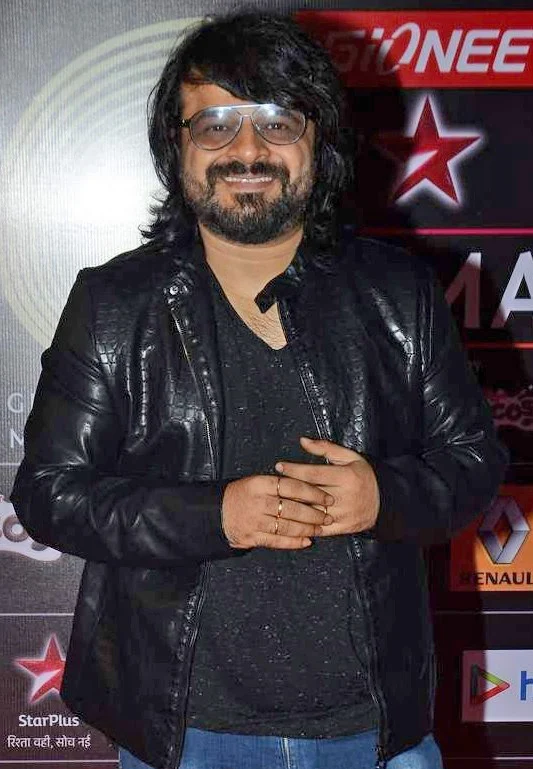
Working inside Pritam’s studio gave Singh an encyclopedic command of microphone proximity, breath control, and dynamic compression. Whenever a film composition needed a “scratch vocal”—a temporary reference track sung by an engineer so the final star singer could learn the melody—Singh stepped into the booth. Gradually, directors began noticing that the engineer’s raw reference recordings carried an emotional vulnerability that polished studio veterans struggled to replicate.
The Scratch Vocal That Changed Indian Cinema: Tum Hi Ho
The turning point arrived in early 2013 during production of Mohit Suri’s romantic drama Aashiqui 2. Composer Mithoon had written a slow, piano-led ballad titled “Tum Hi Ho” and invited Singh to record the vocal track. Drawing on years of engineering instinct, Singh sang close to the diaphragm with an intimate, breathy ache that broke into a soaring chest register on the chorus.
When producer Mukesh Bhatt and director Mohit Suri heard the recording, they scrapped any thought of re-recording it with an established star. Released in March 2013, “Tum Hi Ho” became a cultural phenomenon across South Asia and the global diaspora. It topped every Indian chart for months, propelled Aashiqui 2 to blockbuster status, and earned Singh nine major trophies—including his first Filmfare Award for Best Male Playback Singer.
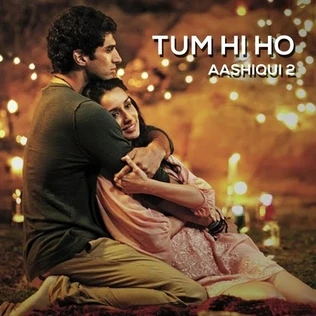
More importantly, the track dismantled the prevailing orthodoxy of Bollywood playback singing. Where earlier decades prized bright, theatrical projection, Singh ushered in an era of acoustic intimacy—where every crack, sigh, and microtonal inflection felt personal to the listener.
Global Stadium Tours and the 119-Million-Follower Milestone
Over the next decade, Singh’s voice became the defining emotional thread of modern Indian music across languages—delivering generational standards such as “Channa Mereya”, “Agar Tum Saath Ho”, “Raabta”, “Ae Dil Hai Mushkil”, “Kesariya”, and “Chaleya”. He accumulated seven Filmfare Awards from a record fourteen nominations and two National Film Awards for Best Male Playback Singer (“Binte Dil” in 2018 and “Kesariya” in 2022).
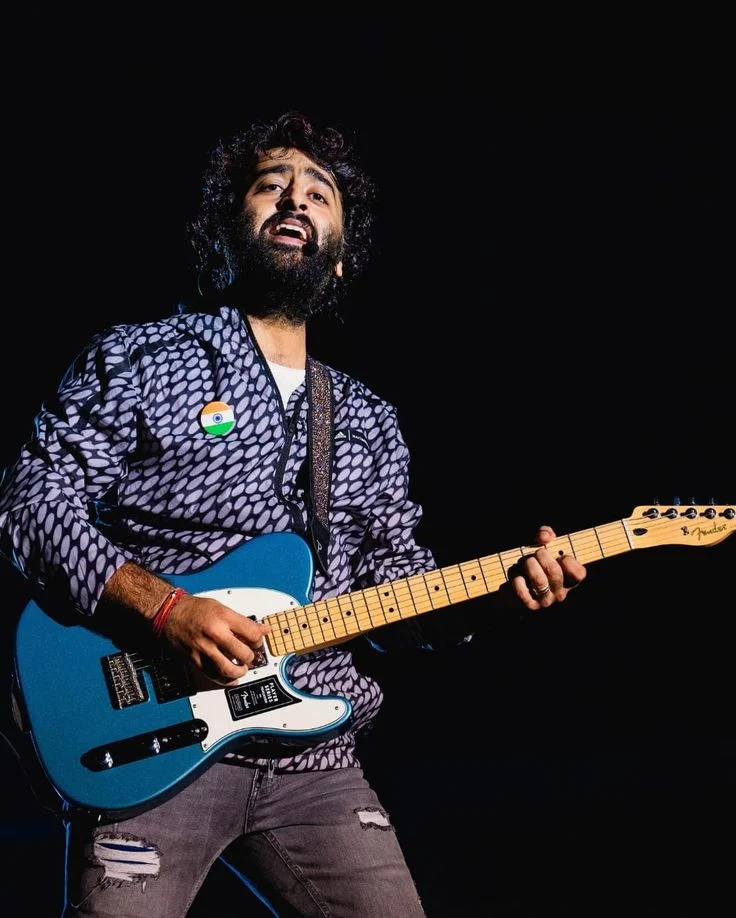
As streaming platforms connected South Asian listeners and global audiences on a single leaderboard, Singh’s catalog achieved unprecedented scale. While selling out arenas from London’s O2 Arena to North America, Singapore, and Mauritius, he famously eschewed celebrity excess—continuing to live primarily in his hometown of Jiaganj, riding a scooter through local streets, and funding community health and education initiatives through his Tatwamasi Foundation.
In August 2024, Arijit Singh officially surpassed Taylor Swift to become the #1 most-followed artist on Spotify worldwide, crossing 119 million followers (and subsequently exceeding 140 million). In January 2025, the Government of India conferred upon him the Padma Shri, the nation’s fourth-highest civilian honor.
What the Record Shows
8 sourced claims in this story, resting on 6 primary and historical records. Numbers link to the bibliography below.
- Arijit Singh began his career in 2005 as a contestant on Fame Gurukul at age 18, where audience voting eliminated him in sixth place - sources: 1, 2
- Singh invested the ₹10 lakh prize money from 10 Ke 10 Le Gaye Dil in 2006 to establish his recording setup in Lokhandwala, Mumbai - sources: 1
- Singh spent six years working behind the scenes as an assistant music programmer and sound engineer for composers including Pritam Chakraborty, Shankar–Ehsaan–Loy, and Vishal–Shekhar - sources: 1
- In 2013, composer Mithoon recorded Singh on “Tum Hi Ho” for Aashiqui 2, and producers retained his vocal as the final release track - sources: 3
- “Tum Hi Ho” swept nine major awards including the 59th Filmfare Award for Best Male Playback Singer - sources: 3, 4
- Singh won two National Film Awards for Best Male Playback Singer for “Binte Dil” (2018) and “Kesariya” (2022), alongside seven Filmfare Awards - sources: 4
- In August 2024, Arijit Singh crossed 119 million followers on Spotify, overtaking Taylor Swift and Ed Sheeran as the #1 most-followed artist globally - sources: 5
- In January 2025, the Government of India awarded Arijit Singh the Padma Shri for his contributions to Indian music - sources: 1, 6
Archival Evidence & Picture Credits
Every image on this page was checked against its Wikimedia Commons file page.
- Arijit Singh performing live at MMRDA ground in Mumbai (Wikimedia Commons) - Wikimedia Commons file page
- Solid State Logic (SSL) Matrix Mixing Console at Audio Mix House, Studio C (Wikimedia Commons) - Wikimedia Commons file page
- Composer Pritam Chakraborty at the 5th GiMA Awards (Wikimedia Commons) - Wikimedia Commons file page
- Official release artwork for “Tum Hi Ho” from Aashiqui 2 (Wikipedia Archive) - Wikimedia Commons file page
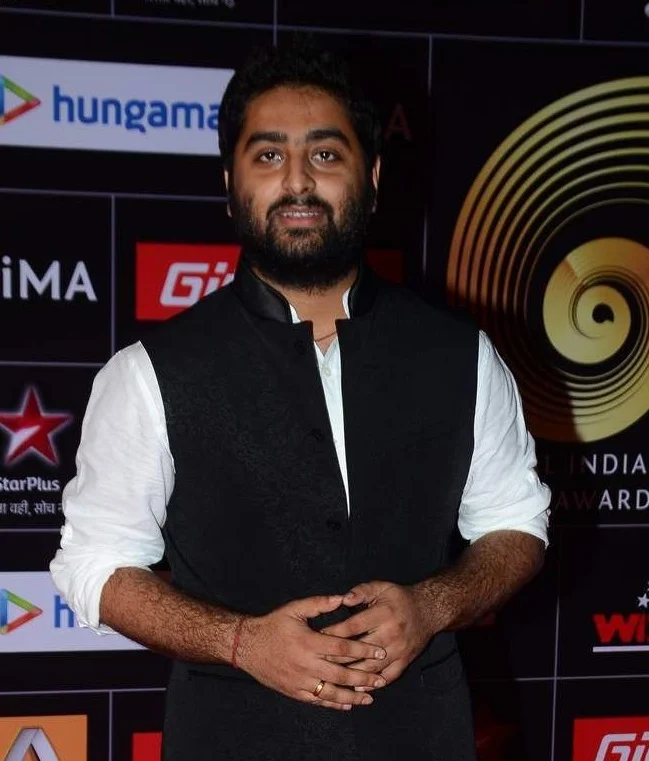
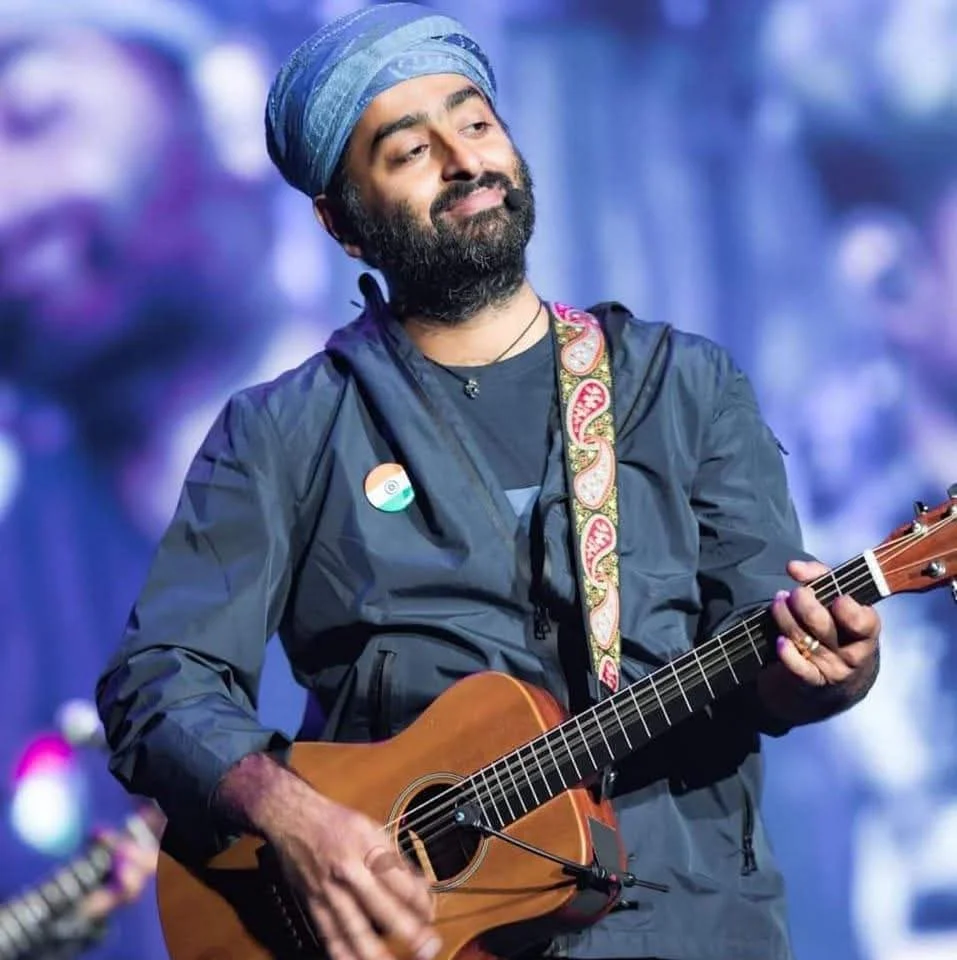
- Arijit Singh on the red carpet at the 5th GiMA Awards (Wikimedia Commons) - Wikimedia Commons file page
- Arijit Singh performing live on stage during his international arena tour (Wikimedia Commons) - Wikimedia Commons file page
- Arijit Singh headlining a stadium concert in Chandigarh in 2025 (Wikimedia Commons) - Wikimedia Commons file page


Verified Archival Sources & Bibliography
Every claim in this account has been fact-checked against primary archives and scholarly repositories:
- Wikipedia: Arijit Singh — Biography, Classical Training, and Discography (reference)
- Wikipedia: Fame Gurukul (2005 Season Archival Broadcast Records) (reference)
- Wikipedia: Tum Hi Ho (Aashiqui 2) — Composition, Recording, and Reception (reference)
- Wikipedia: List of Awards and Nominations Received by Arijit Singh (reference)
- NME: Arijit Singh Overtakes Taylor Swift to Become the Most Followed Artist on Spotify (news)
- Ministry of Home Affairs (Government of India): Padma Awards Official Archival Registry (primary)
Echoes of History Uncut. "Arijit Singh: From Eliminated Contestant to the World's Most Followed Voice." Echoes of History Uncut. Last modified October 28, 2026. https://echoesofhistoryuncut.com/articles/arijit-singh-global-icon/.

An independent history publication using AI-assisted research, drafting and production. Consult each article’s citations and limitations; source inclusion does not establish independent verification of every claim.
▶
Watch the Complete Archival Documentary on YouTube
Subscribe to Echoes of History Uncut on YouTube for full widescreen 16:9 documentaries, primary archival footage, and declassified deep dives.