
A Country With No Army Took On the Royal Navy. And Won.
Between 1958 and 1976, Iceland—a tiny island nation with zero standing army—took on the mighty British Royal Navy across three escalating maritime confrontations known as the Cod Wars. Armed only with small coast guard patrol cutters and ingenious secret wire-cutters, Icelandic sailors sliced trawl nets, endured fifty-five violent naval rammings, severed diplomatic relations with London, and leveraged the strategic Keflavík NATO airbase to force Great Britain into complete surrender, securing an exclusive 200-nautical-mile economic zone.

In this dossier (10 chapters) ▾
Historical Dossier: The Cod Wars Location: The North Atlantic around Iceland | Year: 1958–1976 | Key Figures: The Icelandic Coast Guard, the Royal Navy, British trawler crews, Halldór Hallfreðsson
A Nation of Fishermen
Iceland has hardly any land to farm and no army. What it has is fish. In the 1950s fishing was the basis of the Icelandic economy, and the cod stocks off its coast were being fished by large foreign fleets, above all from Britain. Iceland’s answer, over nearly two decades, was to push out the limits within which only its own boats could fish. Each time, Britain objected. The three confrontations that followed are known as the Cod Wars.
Each ended with Iceland winning its demand, and the limits went from 12 nautical miles to 50 and then to 200. They also helped to change the international law of the sea.
The First Cod War, 1958–1961
On 1 September 1958 Iceland unilaterally extended its fishing zone from 4 to 12 nautical miles. Britain sent a large naval force, including 17 destroyers and 19 frigates and support ships. Iceland’s patrol fleet had seven vessels and one aircraft.
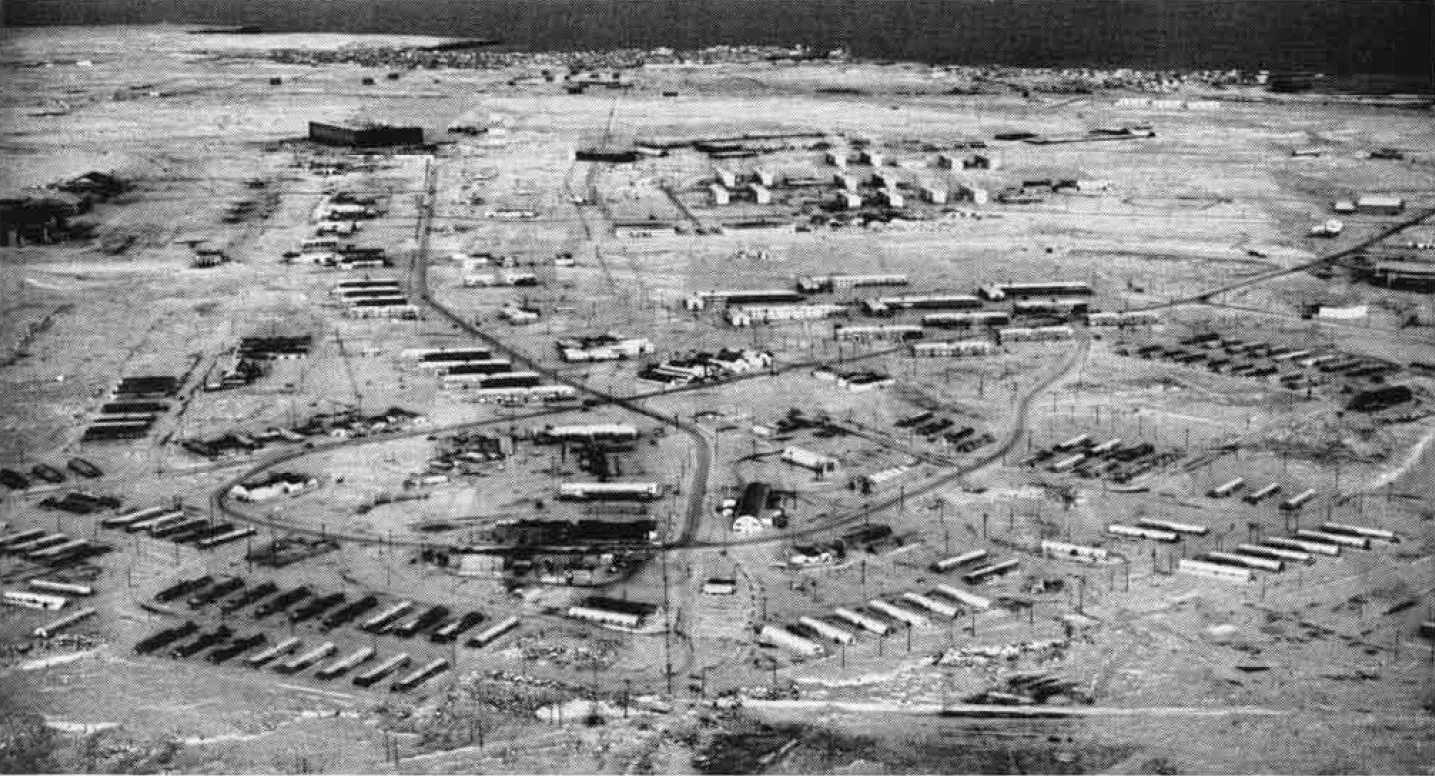
Iceland’s strength lay elsewhere. It was a member of NATO and hosted the strategic base at Keflavík. Icelandic officials threatened to withdraw from the alliance unless the dispute was settled to their satisfaction. The dispute ended on 11 March 1961, when Britain accepted the 12-mile limit.
The Second Cod War, 1972–1973
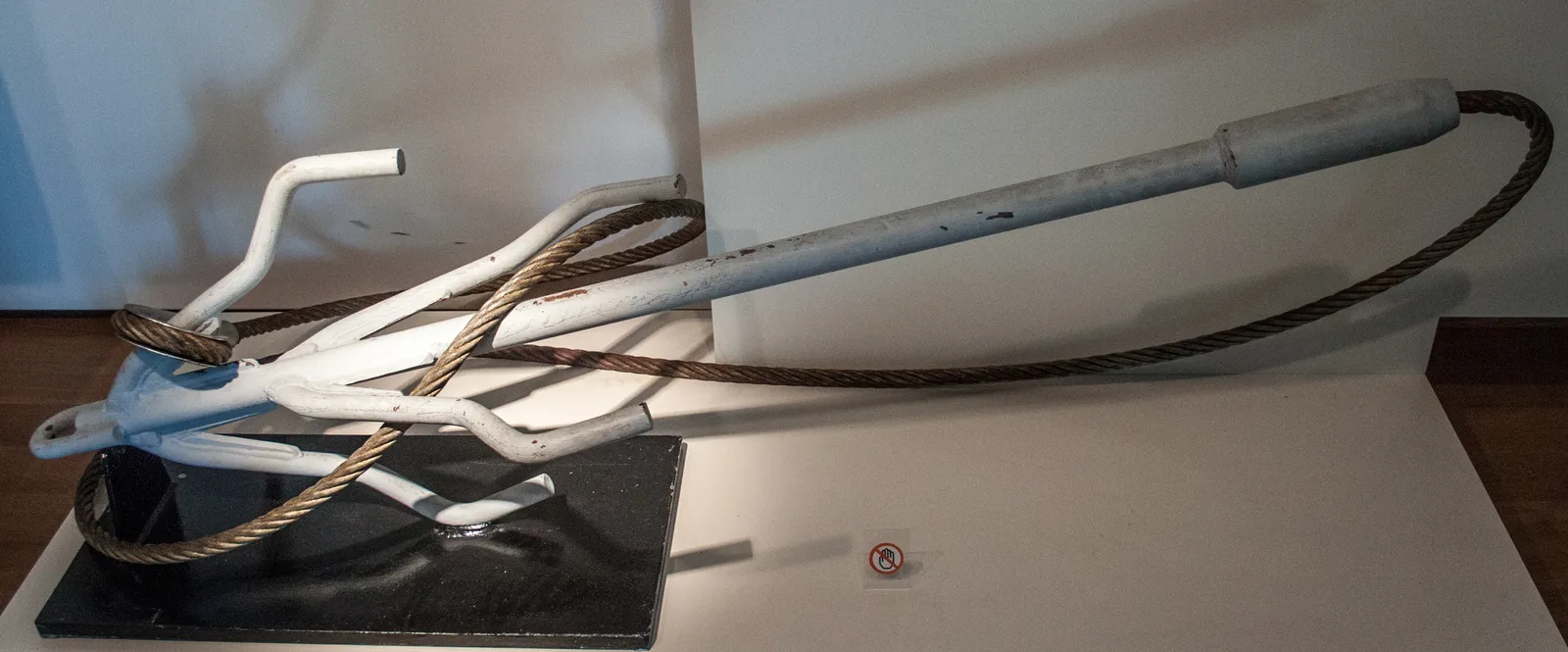
On 1 September 1972 Iceland extended the limit to 50 nautical miles. The Icelandic Coast Guard used a new weapon: a net cutter, which severed the trawl wires of British fishing boats, and the trawlers lost their catch and their gear.
The war had one confirmed death. Halldór Hallfreðsson, an engineer on an Icelandic vessel, was electrocuted by his welding equipment on 29 August 1973, after a collision between the Icelandic ship Ægir and HMS Apollo flooded the compartment where he was making repairs to the hull.
Tension was high at home. On 24 May 1973 a British frigate entered Icelandic waters, and “All the windows of the British embassy in Reykjavík were broken.” An agreement signed on 8 November 1973 allowed limited British catches until 1975.
The Third Cod War, 1975–1976
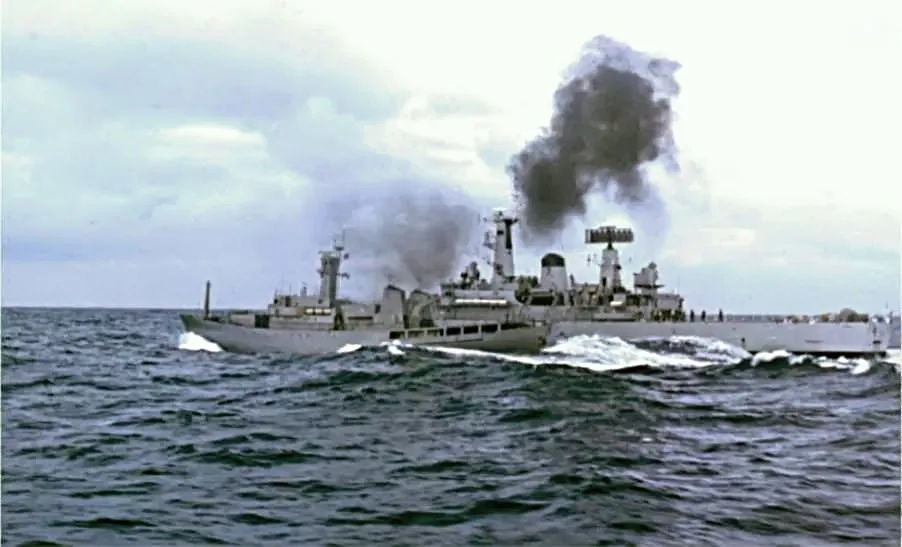
Iceland’s last extension was to 200 nautical miles, and it was the most violent of the three. There were 55 recorded ramming incidents. HMS Falmouth rammed the Icelandic patrol vessel Týr twice at more than 22 knots. On 19 February 1976 a British trawlerman was badly hurt when “a hawser hit and seriously injured him after Icelandic vessels cut a trawl.”
On the same day Iceland broke off diplomatic relations with Britain, the only time it did so in any of the three wars. The conflict ended on 1 June 1976, with an agreement that allowed 24 British trawlers to catch 30,000 tons a year.
The Cold War Card
Iceland’s leverage came from its geography. It stood over the GIUK gap, the stretch of ocean between Greenland, Iceland and the United Kingdom, which was essential for tracking Soviet submarines. One scholar writes that Iceland’s threat to “close the NATO base at Keflavík, which would have severely impaired NATO’s ability to deny access to the Atlantic Ocean to the Soviet Union” proved decisive. A country with no army had found the one thing that its allies could not do without.
The Cost
For Britain the cost was considerable. Fishing communities lost their work, and “thousands of skilled fishermen and people in related trades” were put out of employment. The Royal Navy’s frigate repairs came to more than £1 million, roughly £7 million in today’s money. In 2012 the British government offered affected fishermen £1,000 each in compensation, which critics called insufficient and very late.
Britain also gave up its long-standing view that the seas were open to all. The 1976 agreement contributed to the 1982 UN Convention on the Law of the Sea, which made the 200-nautical-mile exclusive economic zone the international standard.
Why It Is Remembered
The Cod Wars are remembered with some humour, as a war in which the main weapon was a pair of wire cutters. But there were deaths and injuries, and a fishing industry that never recovered in many British ports. They are also an example of how a small country, with the right geography, was able to change a rule that the largest navy in Europe wanted to keep.
What the Record Shows
8 sourced claims in this story, resting on 6 primary and historical records. Numbers link to the bibliography below.
- Iceland fought three Cod Wars with the United Kingdom between 1958 and 1976 over fishery borders - sources: 1, 2
- Iceland unilaterally pushed its fishing limit from 4 miles out to 12 miles (1958), 50 miles (1972), and 200 miles (1975) - sources: 1, 3
- The Icelandic Coast Guard invented the Klippur (wire-cutter) to slice British trawl nets behind trawlers - sources: 2, 4
- Fifty-five deliberate naval rammings occurred between British frigates and Icelandic patrol boats in the 1975–76 clash - sources: 1, 2
- Fifteen Royal Navy frigates suffered structural hull damage during ramming engagements in the third war - sources: 2, 5
- Iceland severed diplomatic relations with Britain in February 1976, the first formal diplomatic break between NATO allies - sources: 1, 5
- Iceland threatened to withdraw from NATO and shutter the strategic Keflavík anti-submarine base - sources: 3, 6
- Britain conceded in June 1976, establishing the global 200-mile Exclusive Economic Zone standard in maritime law - sources: 1, 6
Archival Evidence & Picture Credits
Every image on this page was checked against its Wikimedia Commons file page.
- A trawl wire cutter of the kind used by Icelandic patrol vessels during the Cod Wars (Wikimedia Commons) - Wikimedia Commons file page
- Aerial view of the U.S. Naval Air Station Keflavík, Iceland, in 1962 (U.S. Navy Naval Aviation News / Wikimedia Commons) - Wikimedia Commons file page
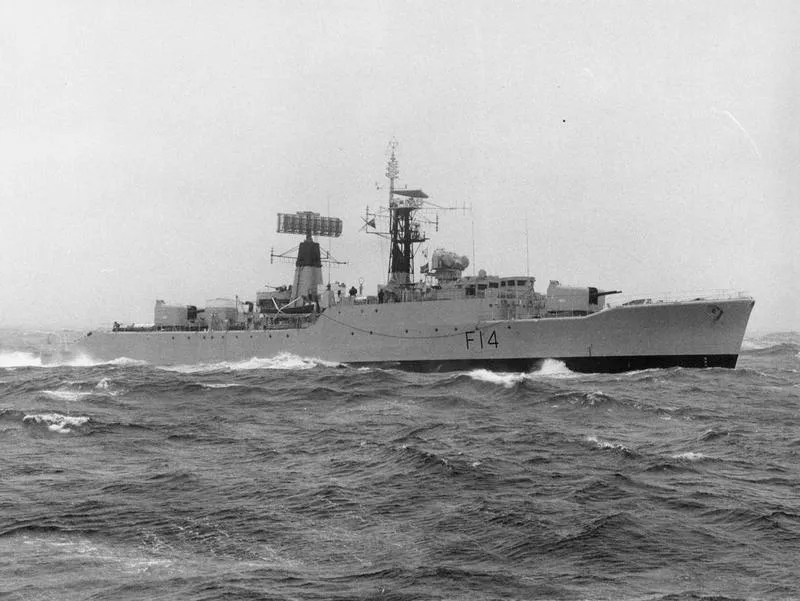
- The Royal Navy frigate HMS Leopard on patrol during the Cod Wars in 1973 (Imperial War Museums / Wikimedia Commons) - Wikimedia Commons file page
- A collision between the Royal Navy frigate HMS Scylla and the Icelandic patrol boat Óðinn (Wikimedia Commons) - Wikimedia Commons file page


Verified Archival Sources & Bibliography
Every claim in this account has been fact-checked against primary archives and scholarly repositories:
- Wikipedia: Cod Wars (reference)
- Internet Archive: The Cod Wars: The Royal Navy and the Battle for the North Atlantic (Andrew Roberts) (book)
- The International History Review: Iceland’s Cold War Strategy and the Cod Wars (academic)
- Landhelgisgæslan (Icelandic Coast Guard): Saga Landhelgisgæslunnar og Þorskastríðin (primary)
- The National Archives (UK): Admiralty and Foreign Office Records on the Anglo-Icelandic Fisheries Disputes (FO 371) (primary)
- U.S. Department of State: Foreign Relations of the United States (FRUS): Iceland and NATO Security 1969–1976 (primary)
Echoes of History Uncut. "A Country With No Army Took On the Royal Navy. And Won.." Echoes of History Uncut. Last modified September 17, 2026. https://echoesofhistoryuncut.com/articles/cod-wars-iceland/.

An independent history publication using AI-assisted research, drafting and production. Consult each article’s citations and limitations; source inclusion does not establish independent verification of every claim.
▶
Watch the Complete Archival Documentary on YouTube
Subscribe to Echoes of History Uncut on YouTube for full widescreen 16:9 documentaries, primary archival footage, and declassified deep dives.