The $900 Medicine, a 13-Year-Old Boy, and the Paper Napkin Contract of 2000
In this dossier (7 chapters) ▾
Historical Dossier: The Pompeya Tennis Club Napkin Agreement Location: Barcelona, Spain & Rosario, Argentina | Date: December 14, 2000 | Key Figures: Carles Rexach, Josep Maria Minguella, Horacio Gaggioli, Jorge Messi, Lionel Messi
An Ultimatum in Catalonia
On the cold afternoon of December 14, 2000, Carles Rexach walked into the cafeteria of the Pompeya Tennis Club at the foot of Montjuïc in Barcelona, knowing that time had run out. Sitting across from him were two sports agents, Josep Maria Minguella and Horacio Gaggioli. The atmosphere was fraught with tension. For three agonizing months, a thirteen-year-old boy named Lionel Andrés Messi and his father Jorge had been living in a modest hotel room, waiting for FC Barcelona to make up its mind.
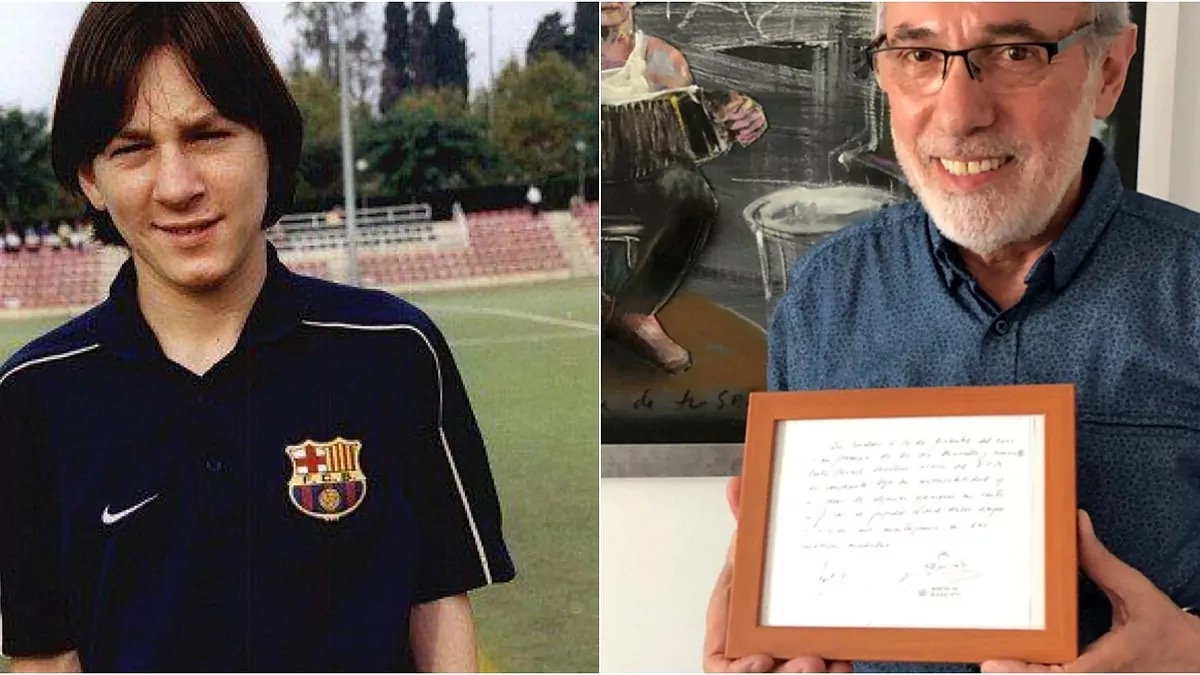
The boy was barely 4 feet 2 inches tall. Back home in the working-class barrio of Las Heras in Rosario, Argentina, local physicians had diagnosed him with Growth Hormone Deficiency (GHD) when he was ten. Without daily subcutaneous injections of synthetic pituitary hormone, his pituitary gland would simply stop secreting the vital growth compounds. His bones would lock prematurely, his frame would remain permanently stunted, and any chance of an athletic career would vanish.
The treatment was brutally expensive: roughly $900 every month—more than half his father’s monthly wage as a steel factory foreman. When Argentina’s economy began its catastrophic spiral toward the 2001 financial collapse, the state health insurance collapsed with it, and Newell’s Old Boys could no longer pay for the vials.
The Clinic and the Syringe
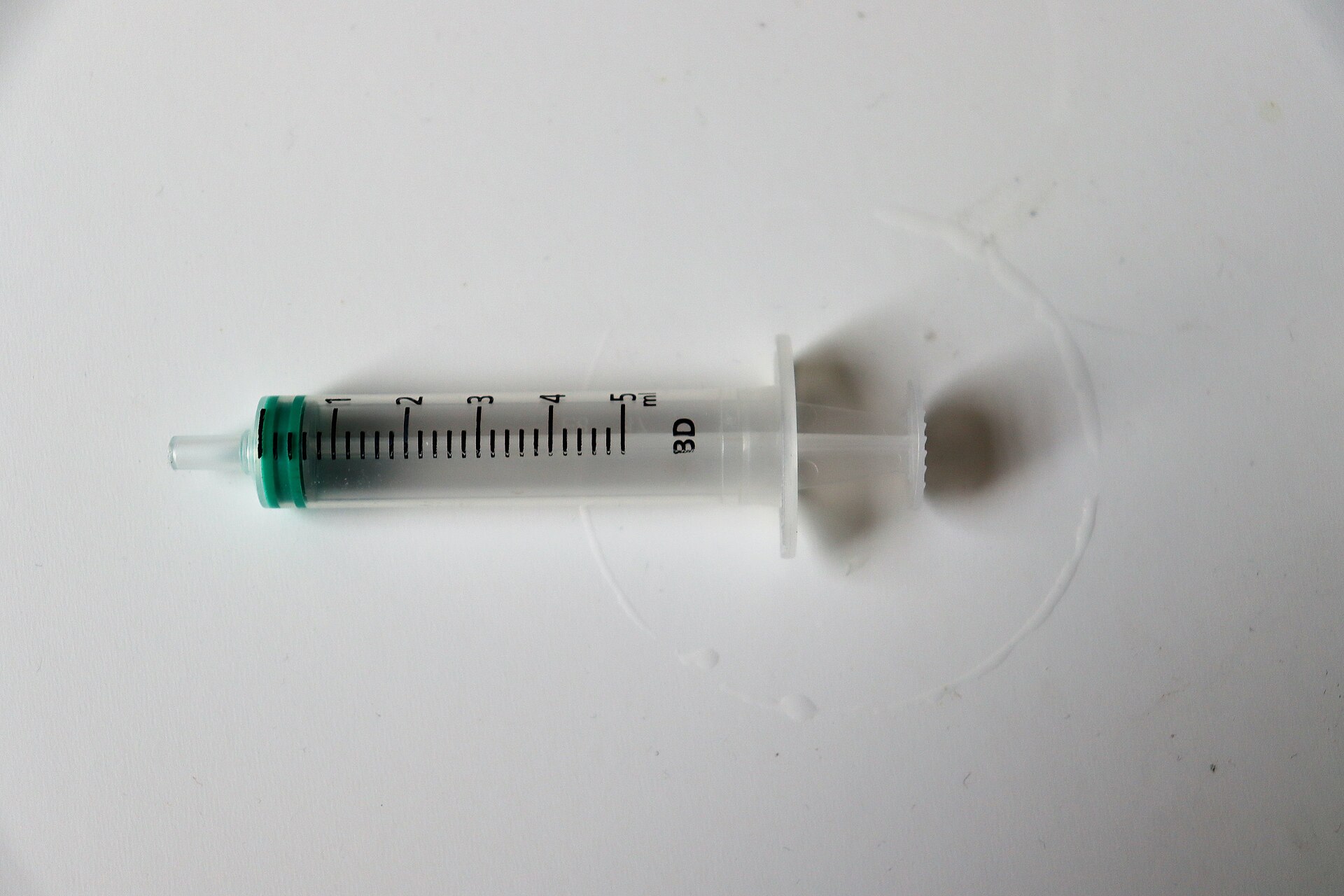
Every night before sleep, young Messi prepared the dosage himself. He kept the refrigerated medicine in a cold pack, screwed the needle into the pen dispenser, pinched the skin of his thighs, and drove the steel needle home. For three straight years, one leg one night, the other leg the next, the boy methodically administered his own growth.
When scouts arranged a tryout in Catalonia in September 2000, Barcelona’s coaches were stunned. Rexach arranged a scrimmage pairing the thirteen-year-old against fifteen- and sixteen-year-old academy recruits. In less than ten minutes, Rexach saw enough to realize he was watching an extraterrestrial talent. But signing a foreign minor without his family formally relocating violated customary protocol, and the board of directors balked at paying thousands in medical bills for an untested child.
By mid-December, Jorge Messi had packed their suitcases. He issued an uncompromising ultimatum: if Barcelona did not sign an official guarantee before sundown, they would board a flight back to Buenos Aires and offer the prodigy to rivals in Madrid.
Scribbled on a Thin Paper Napkin
Desperate to avoid losing the boy, Rexach waved over the cafe waiter and asked for paper. The waiter handed him an ordinary, cheap wooden dispenser napkin—a 16.5-centimeter square of translucent cellular paper.
Pulling a blue ballpoint pen from his pocket, Rexach scribbled words that would bind the most consequential contract in modern athletics:
“In Barcelona, on December 14, 2000, in the presence of Messrs. Minguella and Horacio, Carles Rexach, Technical Secretary of F.C.B., commits under his responsibility and despite any contrary opinions, to sign the player Lionel Messi, provided that the agreed amounts are maintained.”
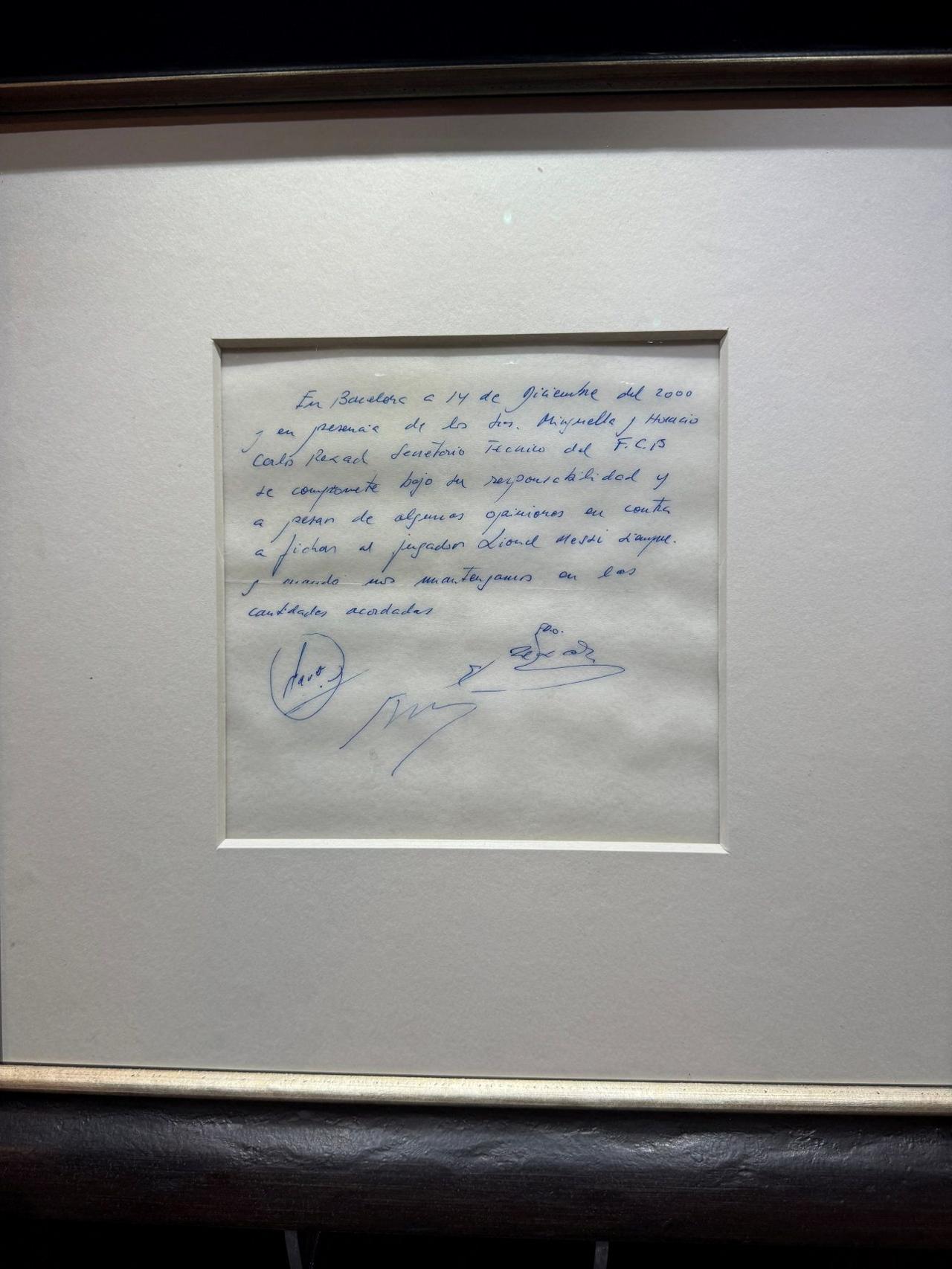
Rexach signed first. Minguella and Gaggioli signed underneath. That single fragile paper square convinced Jorge Messi to unpack the suitcases. Barcelona fulfilled the pledge, footing the medical costs and welcoming the boy into La Masia.
From Undergrowth to Global Immortality
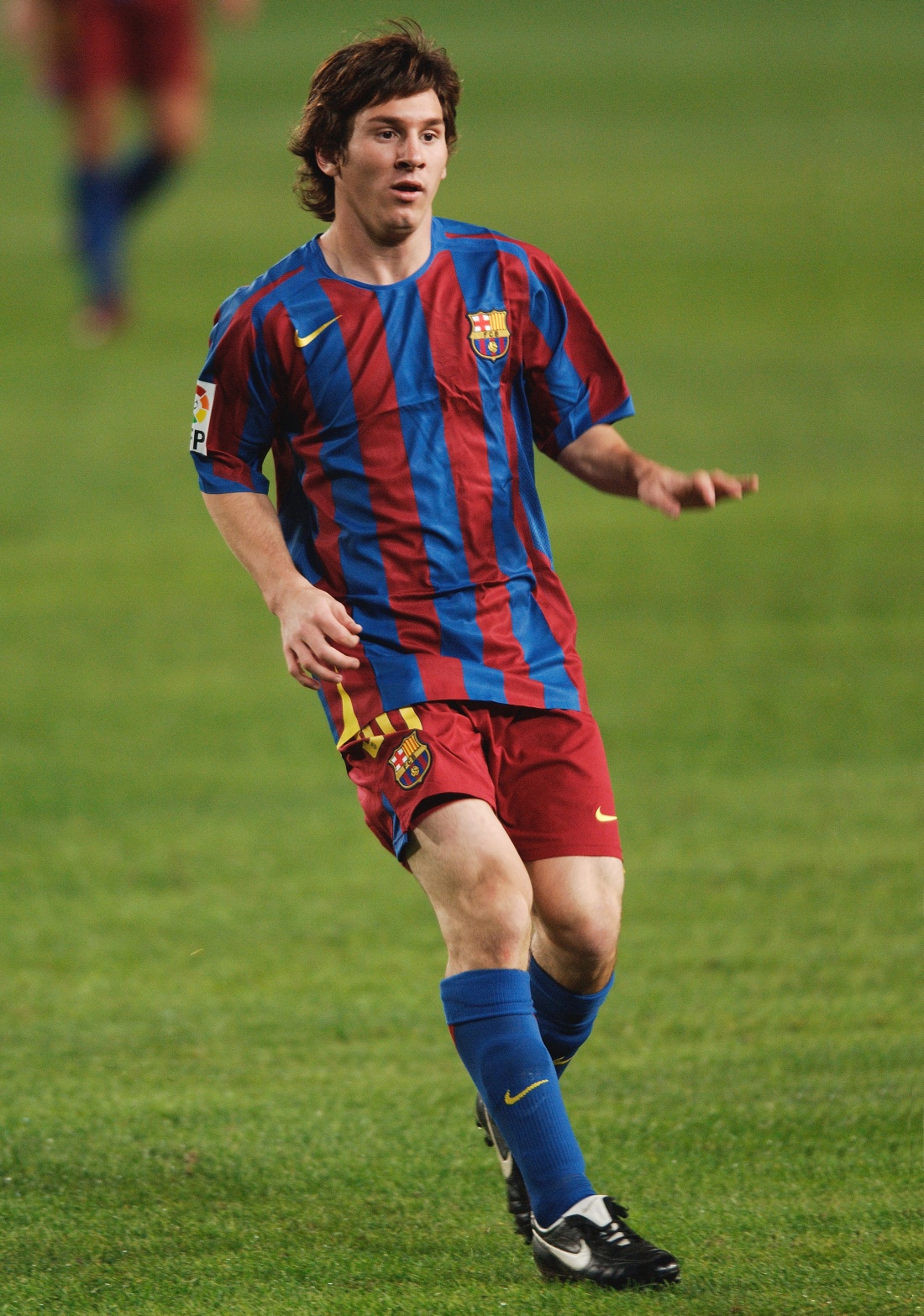
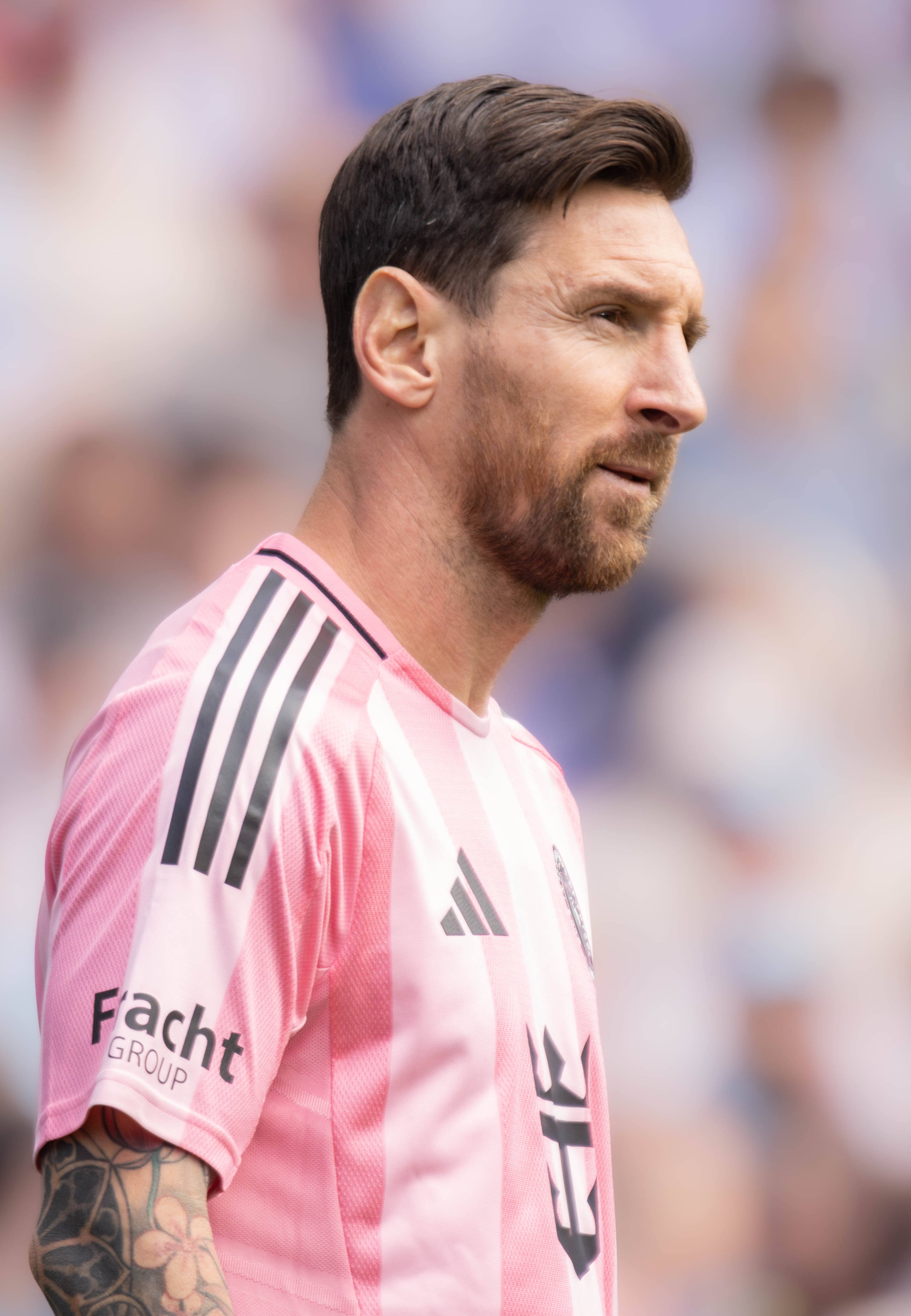
Over the next two decades, the investment repaid itself ten-thousandfold. The boy grew to 5 feet 7 inches, scored 672 goals for Barcelona, won 10 La Liga titles, 4 UEFA Champions League trophies, 8 Ballons d’Or, and captained Argentina to the 2022 FIFA World Cup.
The original paper napkin spent over two decades safely stored in an Andorran bank vault under Horacio Gaggioli’s care. In May 2024, the fragile artifact was consigned to auction at Bonhams in London, selling for an astounding £762,400 ($969,000)—nearly one million dollars for a scrap of paper that rescued a child’s health and reshaped the entire history of football.
What the Record Shows
6 sourced claims in this story, resting on 4 sources. Numbers link to the bibliography below.
- Carles Rexach committed to signing Lionel Messi on a 16.5-centimeter paper napkin at Club de Tennis Pompeya on December 14, 2000. - sources: 1, 2
- Lionel Messi suffered from Growth Hormone Deficiency requiring daily synthetic injections costing approximately $900 per month. - sources: 1, 3
- Messi grew up in Rosario, Argentina playing for Newell’s Old Boys while facing severe growth hormone deficiency. - sources: 1, 3
- Rexach scribbled the commitment under his own responsibility to prevent the player’s father from leaving Barcelona. - sources: 1, 2
- Messi went on to play for FC Barcelona, winning 10 La Liga titles, 4 Champions League crowns, and leading Argentina to the 2022 World Cup. - sources: 1, 2
- In May 2024, the original napkin contract was sold at Bonhams auction in London for £762,400 (approximately $969,000). - sources: 1, 4
Verified Archival Sources & Bibliography
Every claim in this account has been fact-checked against primary archives and scholarly repositories:
- Internet Archive: Messi: Inside the First Family of Football (Luca Caioli) (primary)
- BBC Sport: How Lionel Messi was signed on a paper napkin (news)
- The Guardian: Lionel Messi: The Childhood of a Genius (news)
- El País: La servilleta con el primer contrato de Messi con el Barcelona se vende por 890.000 euros (news)
Recommended Archival Reading & Audiobooks
For those seeking deeper historical immersion into this account:
- Audible 30-Day Free Trial (Includes 1-2 free historical audiobooks of your choice)
Disclosure: As an Amazon Associate, Echoes of History earns from qualifying purchases at no additional cost to you.