
Eusébio: The Boy from Mafalala Who Cried at Wembley in 1966
In this dossier (8 chapters) ▾
Historical Dossier: Eusébio and the 1966 World Cup Location: Lourenço Marques (now Maputo), Lisbon, Liverpool and London | Date: 1942 to 2014 | Key Figures: Eusébio da Silva Ferreira, Béla Guttmann, Bobby Charlton
1. A Neighbourhood Called Mafalala
Eusébio da Silva Ferreira was born on 25 January 1942 in Mafalala, a poor neighbourhood of Lourenço Marques, the capital of Portuguese Mozambique. The city is now called Maputo. Portugal ruled the territory as a colony, and in the football world of the 1940s and 1950s that meant a clear ladder: local clubs in Africa fed their best players to the big clubs in Lisbon, if the big clubs ever noticed them.
Growing up with little money, he skipped school to play barefoot football with friends on improvised pitches. In a Guardian interview before the 2010 World Cup he said he had learnt to play with socks, or with newspaper rolled into a ball. The same profile calls him the son of a railway mechanic. His father had played the game in his youth and supported Benfica, the Lisbon club that also had an affiliate in Mozambique.
That family loyalty did not decide the first step. Eusébio was turned away by one local club, Ferroviário, and then accepted at Sporting Clube de Lourenço Marques, a feeder club of Sporting CP, Benfica’s great rival. Eusébio himself later turned the detail into a statement. In a 2011 interview he said the Sporting affiliate was seen in his neighbourhood as a club of the elite and of the police, who did not like people of colour. He said he did not like Sporting there, and did not like the one in Lisbon either. The man who would become the face of Benfica began at a club he did not love, because it was the club that said yes.
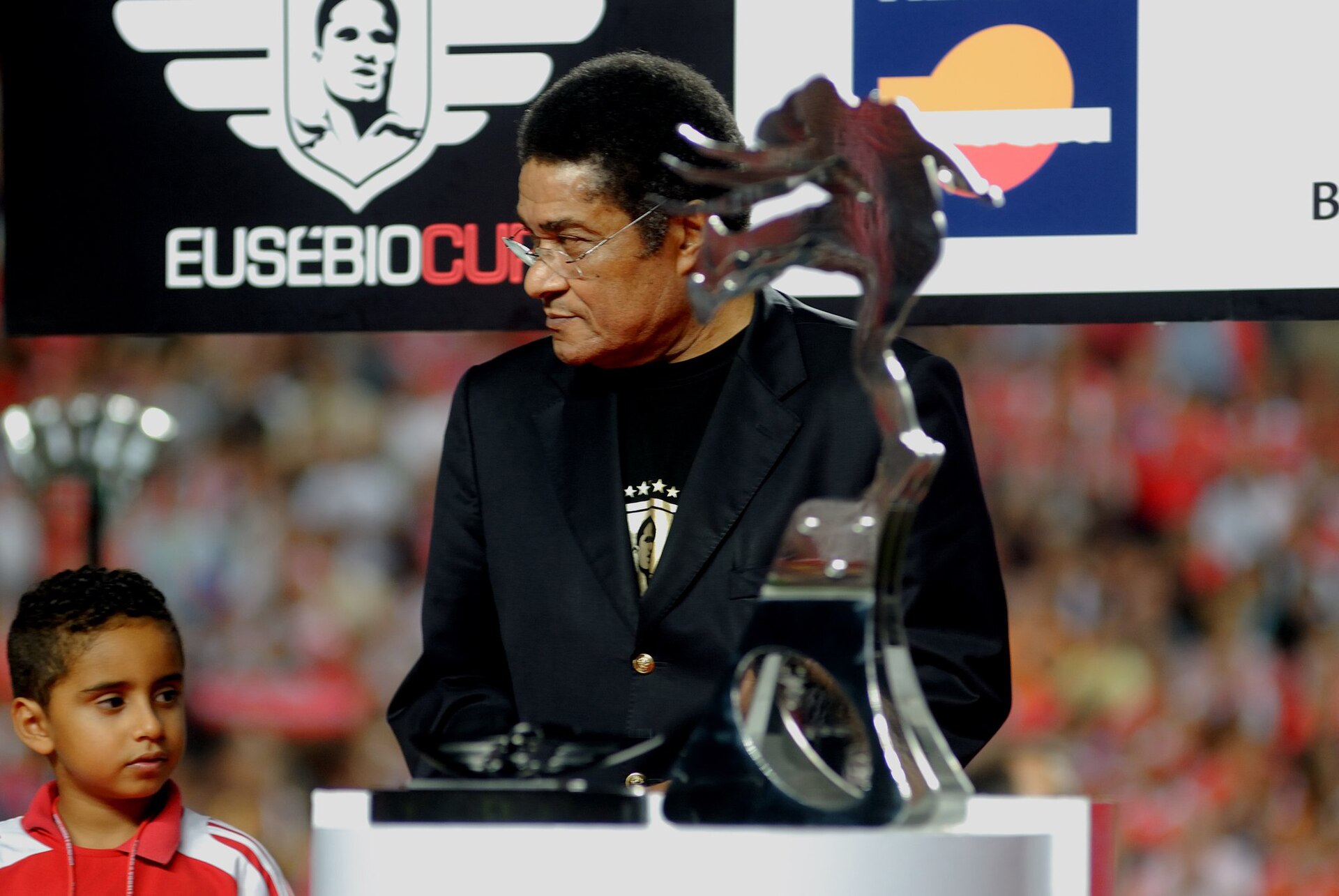
2. A Barbershop in Portugal, a Coach on a Plane
The Guardian’s 2010 profile tells the next part as a chain of chance. A Brazilian coach from São Paulo, a side touring Portugal after a trip to Mozambique, then still called Portuguese East Africa, was talking in a barbershop about a young striker he had seen at a provincial club tied to Sporting Lisbon. Béla Guttmann, the Benfica coach, was listening. He flew to Lourenço Marques within a week.
The profile says Eusébio could run 100 metres in 11 seconds. Guttmann bought him for £7,500, according to the Guardian, though Eusébio later said the fee was nearer €2,000. The Guardian describes him as 18, and Wikipedia gives his age at the May 1961 move as 19, so the exact age is not settled. He joined Benfica in 1961 and stayed until 1975. Two weeks after the deal he was playing for Portugal.
Sporting CP, the parent club of the team he had played for in Mozambique, was outraged and disputed whether the transfer was legal. The rancour between the two Lisbon clubs has endured. Even decades later Eusébio was irritated by the suggestion that Sporting were entitled to his signature. His answer was the one he gave in the 2011 interview: he had played for a feeder club, and did not even like it.
On the pitch the question was settled quickly. Benfica won the European Cup in 1962 with Eusébio in the side, and he was named European Footballer of the Year in 1965. He finished runner-up for that award in 1962 and in 1966. By the Guardian’s count he spent 13 seasons at Benfica, won seven league championships, and was Portugal’s leading scorer from 1964 to 1968. The Guardian also calls him black Africa’s first international football star.
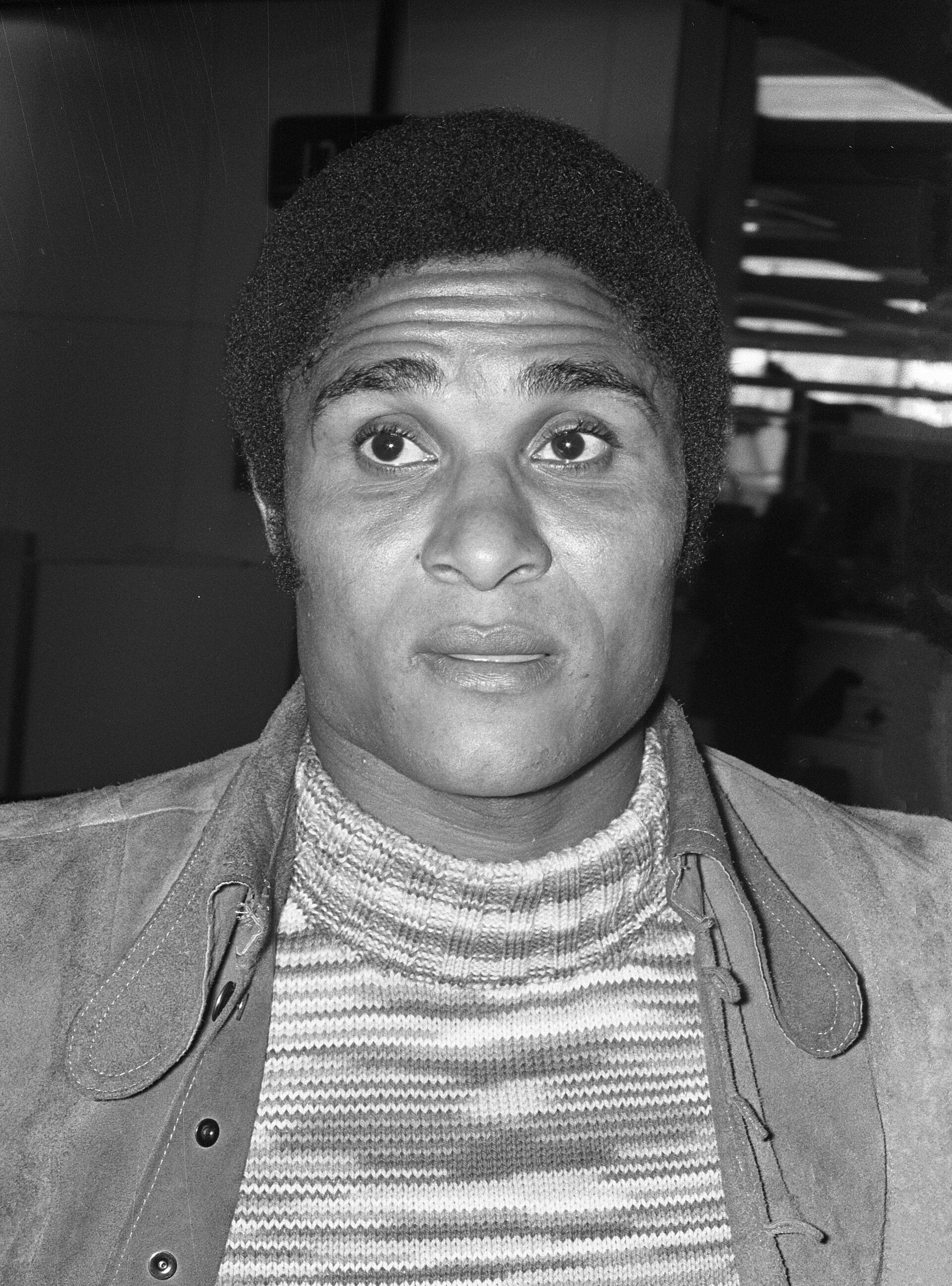
3. Goodison Park, 3-0 Down
The 1966 World Cup was held in England, and Portugal arrived with a player who was already a European champion with Benfica and had won the continent’s top individual award a year earlier. They reached the quarter-final, where they met North Korea. The Koreans had already eliminated Italy in the group stage, one of the sport’s established powers, and were no easy draw.
At Goodison Park in Liverpool, North Korea raced to a 3-0 lead. The Guardian’s 2014 obituary says Portugal were then “threatened with a stunning exit”. A scoreline like that would have sent them home before the semi-final and ended Eusébio’s tournament long before anyone remembered it.
Instead, he scored four goals to rescue the match. One of them was a penalty, awarded after a fast run from his own half ended with two North Korean players tackling him inside the area. Portugal won 5-3. The BBC wrote that his four goals helped his side come back from 3-0 down. The comeback tied a World Cup record for the largest deficit overcome in a win, and Eusébio became the fifth player to score four goals in a single World Cup match.
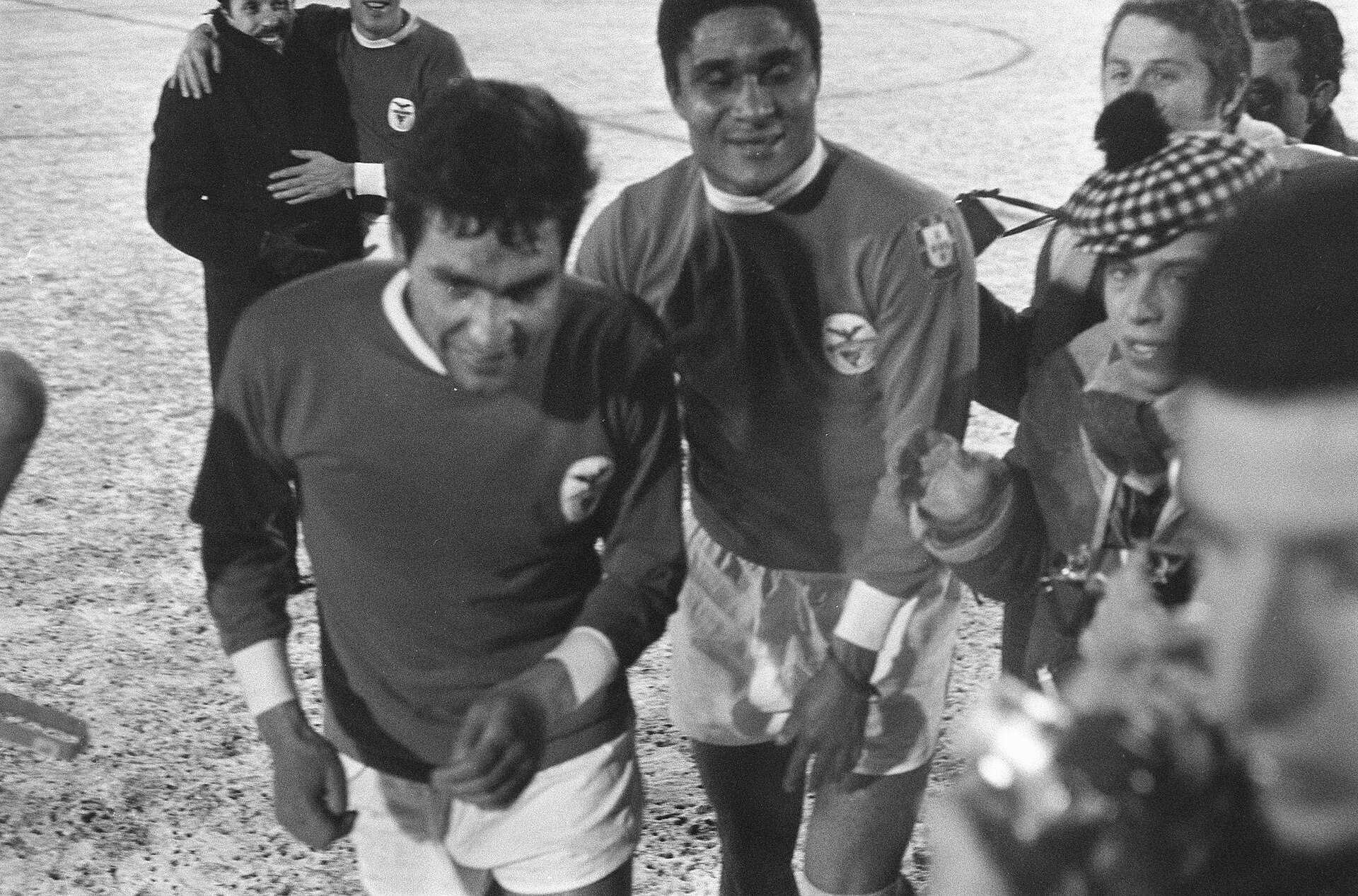
4. Wembley and the Tears
The semi-final was played at Wembley against the host nation, and Portugal had to make a last-minute train journey from Liverpool to London beforehand. England won 2-1, and Bobby Charlton scored both of their goals. Eusébio replied with a penalty for Portugal.
When the final whistle blew he left the pitch in tears. The Guardian’s obituary says he did so, and the BBC likewise says he was in tears as he left the pitch at the end of the game. Accounts also record that he was comforted by his own teammates and by his opponents. A photograph of him leaving the field was taken by Hulton Archive and published by the Guardian, but it is not openly licensed and is not reproduced here.
The tears are the reason the story outlived the result. A player who had just scored four goals in one quarter-final and would finish the tournament as top scorer, with nine goals and the Golden Boot, walked off in grief because his team had lost. He also set a record that year for the most penalties scored in a single World Cup, four, not counting shoot-outs.
The two sides of that Wembley afternoon met again. Charlton and Eusébio faced each other in the European Cup final of 1968, again at Wembley, which Manchester United won 4-1 against Benfica. Eusébio won the first European Golden Boot that year as the continent’s leading scorer, and won it again in 1973.
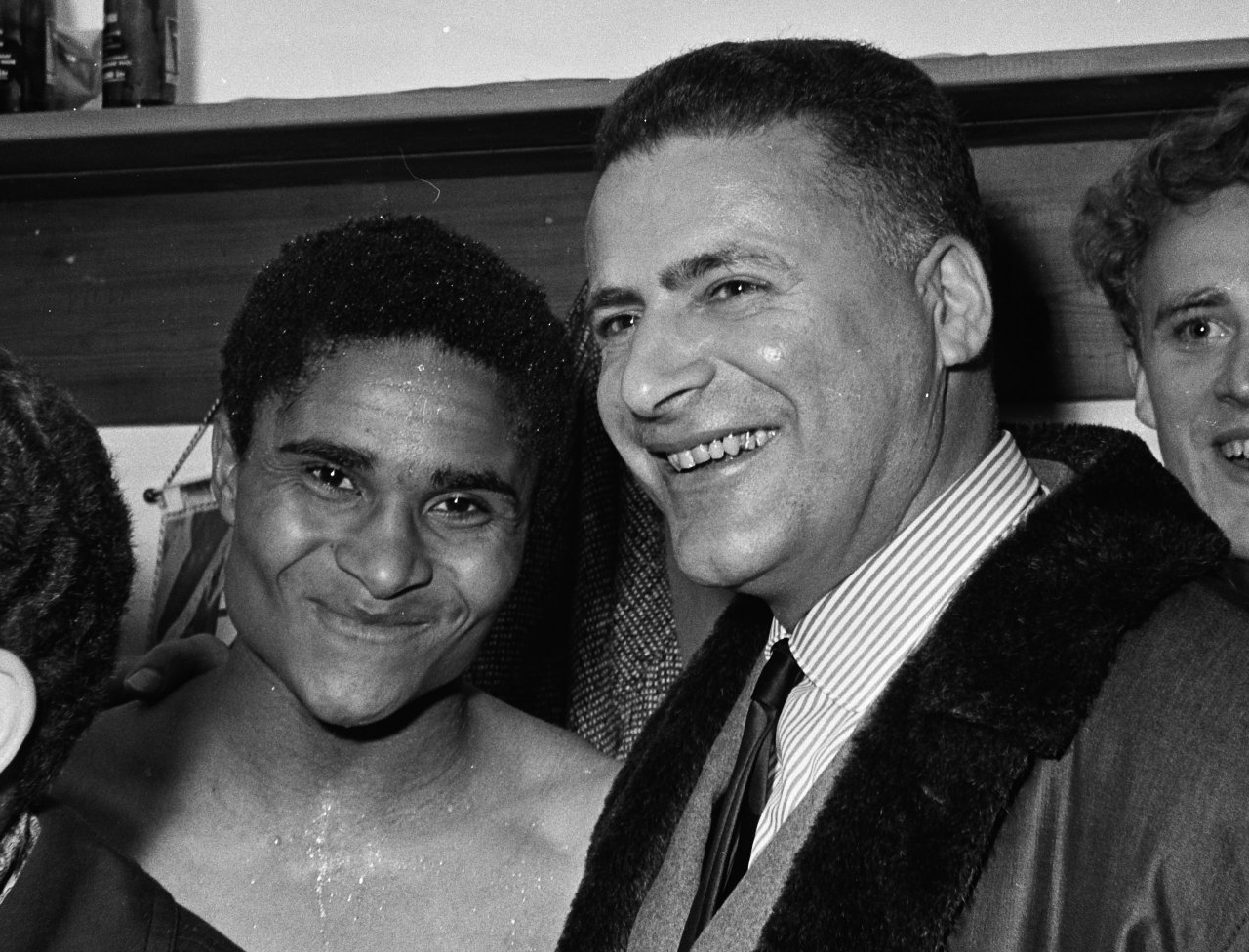
5. The King Who Lost His Fortune
Politics reached into his story. After the Carnation Revolution of 1974 in Lisbon, Portugal’s colonies gained independence, and Mozambique became a separate country in 1975. Eusébio, who had built his life in Portugal, lost all his property and investments in Mozambique. The territory that had produced him had changed hands, and with it his stake in the place where he was born.
His records survived the upheaval. By the Guardian’s figures he scored 727 goals in 715 appearances for Benfica, while the BBC gives 733 goals in 745 professional matches. The two counts differ. For Portugal he scored 41 goals in 64 matches, a record that stood until 2005 when it was passed by Pauleta, and the Guardian’s 2014 report says Cristiano Ronaldo later passed him as Portugal’s leading scorer. The Guardian also tells a small story from the unveiling of Ronaldo at Real Madrid, to which Eusébio had been invited by his friend and boyhood idol Alfredo Di Stéfano. Di Stéfano nudged him and said: “That would have been you.”
Eusébio died on 5 January 2014 at the age of 71, after a cardiac arrest, according to the Portuguese sports daily A Bola quoted by the Guardian. The BBC reported that tens of thousands turned out in Lisbon. Some 10,000 fans cheered, sang and let off firecrackers at Benfica’s Luz stadium, where the coffin was placed briefly on a golden plinth at the centre of the pitch. Mourners applauded the coffin, draped in Benfica’s colours, as the hearse passed through the city, and he was buried at Lumiar cemetery. Portugal declared three days of national mourning. One banner left at his statue read: “I haven’t come to say goodbye, but to say thank you.”
What the Record Shows
- Eusébio was born on 25 January 1942 in Lourenço Marques, Portuguese Mozambique, and played for Benfica from 1961 to 1975. 1 4
- Béla Guttmann flew to Lourenço Marques within a week of hearing about him in a Portuguese barbershop. 4
- The transfer fee was £7,500 by the Guardian’s account, and Sporting disputed the move. 1 4
- Portugal trailed North Korea 3-0 in the 1966 quarter-final, and Eusébio scored four goals in a 5-3 win. 2 3 4
- England beat Portugal 2-1 in the semi-final, Charlton scored both English goals, and Eusébio left the pitch in tears. 2 3
- Eusébio was the top scorer of the 1966 World Cup with nine goals. 3 4
- Benfica lost the 1968 European Cup final to Manchester United 4-1 at Wembley. 2 3
- After the 1974 revolution and Mozambican independence, Eusébio lost his property and investments in Mozambique. 1
- Eusébio died on 5 January 2014, aged 71, and Portugal declared three days of national mourning. 2 3
Archival Evidence & Picture Credits
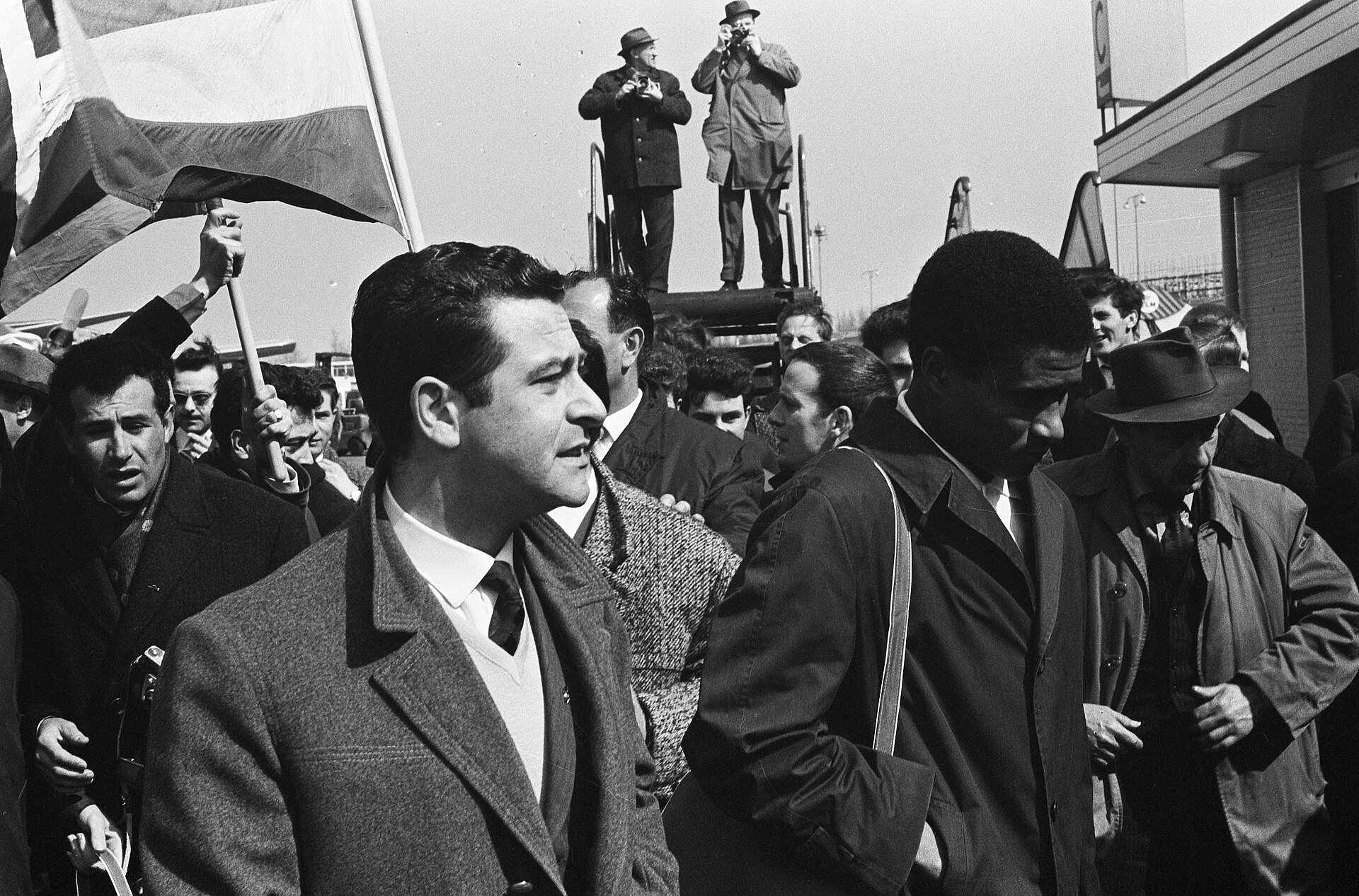
All photographs are from Wikimedia Commons. The Dutch National Archive images come from the Anefo collection and cover Benfica trips to the Netherlands in the 1960s and 1970s. None of them is a photograph of the 1966 World Cup. Captions say what each image shows.
Verified Archival Sources & Bibliography
- Eusébio, Wikipedia
- Eusébio, Portugal’s footballing hero, dies at 71, The Guardian, 5 January 2014 (archived)
- Eusebio funeral: Thousands line streets to say farewell, BBC News, 6 January 2014
- From Africa to posterity: How Eusébio lit up the World Cup, The Guardian, 6 June 2010