
A Firework Scared the Crowd. Their Floating Shrine Sank.
On July 2, 1993, during the annual fluvial parade in Bocaue, Bulacan, an overloaded multi-deck floating pagoda carrying nearly one thousand Catholic pilgrims suddenly capsized when a stray firework sparked mass panic. Over two hundred devotees drowned in the murky river, immortalizing 13-year-old Boy Scout hero Sajid Bulig.

In this dossier (9 chapters) ▾
Historical Dossier: The Bocaue Pagoda Tragedy Location: Bocaue River, Bocaue, Bulacan, Philippines | Year: 2 July 1993 | Key Figures: The devotees of the Krus sa Wawa, Sahjid S. Bulig
A Festival on the Water
Every year the riverside town of Bocaue, in Bulacan province in the Philippines, celebrates the Feast of the Holy Cross of Wawa, known in Filipino as Krus sa Wawa. The festival is one of the great religious events of the region. Its climax is a river procession, in which a decorated floating shrine called the Pagoda is carried along the Bocaue River.
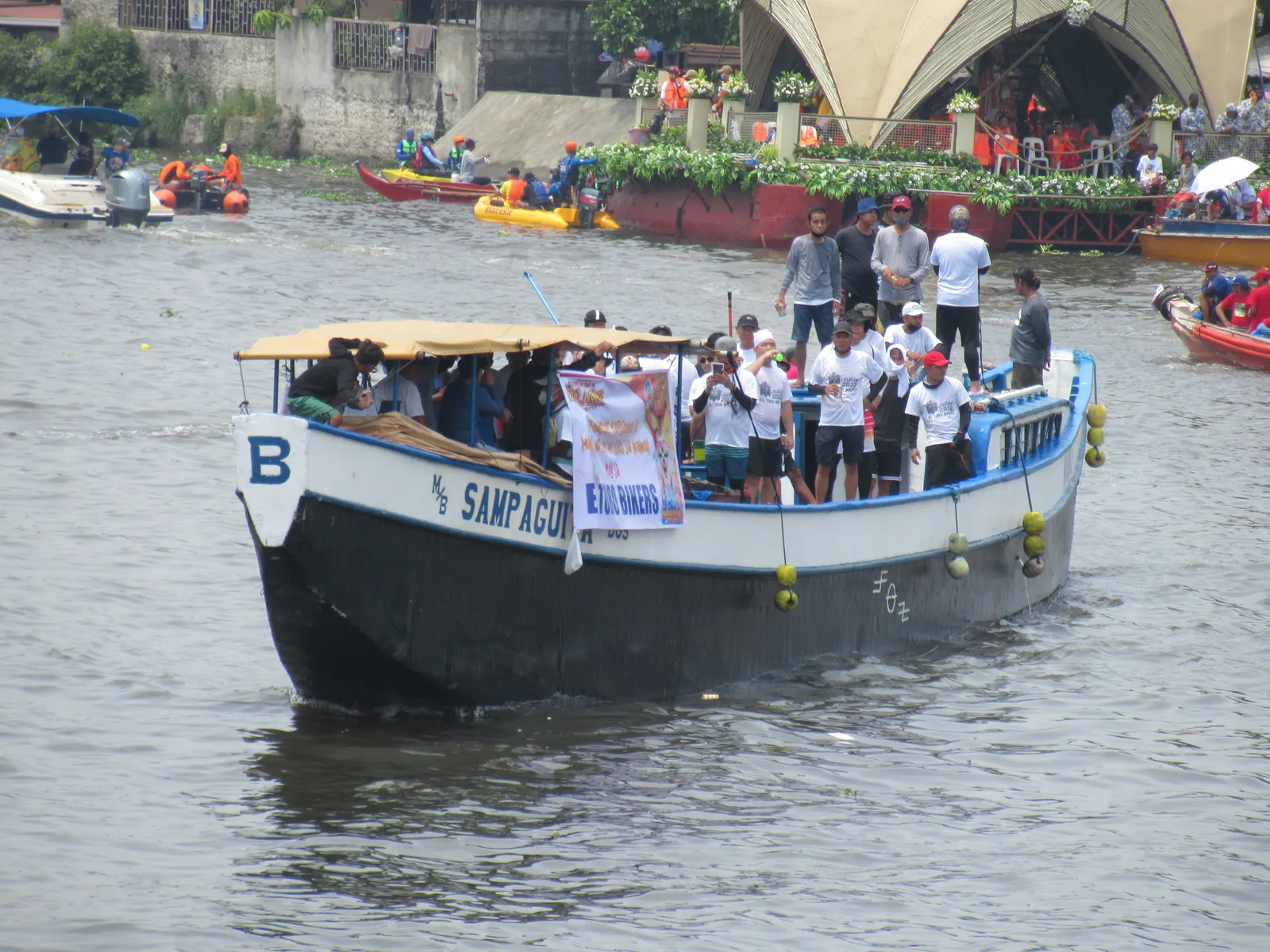
Local tradition traces the festival to the middle of the nineteenth century, to a wooden cross said to have been rescued from a dangerous eddy in the river. The cross became the object of an annual devotion, and the river procession grew up around it. By the 1990s the Pagoda had become the centre of a crowded, joyful event, with hundreds of smaller boats escorting it down the Bocaue River.
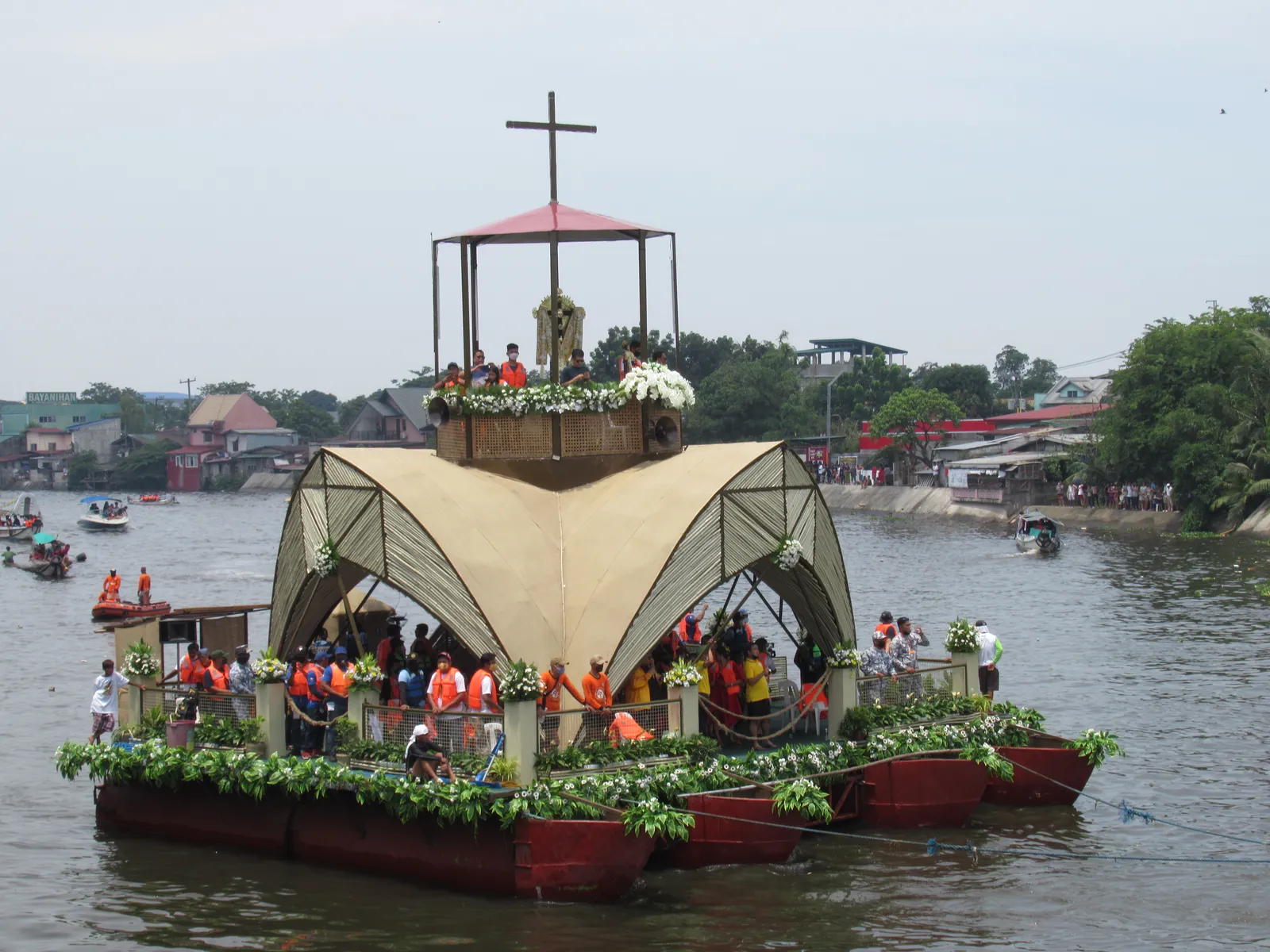
The pagoda is built by lashing together fishing boats or barges and mounting a wooden temple on top. In 1993 it was a wooden structure about 20 feet high on a barge.
A Structure Not Made for a Crowd
The pagoda was a work of devotion and local carpentry, a wooden temple on a barge. The accounts agree that it was carrying far more people than it was meant to: between 800 and 1,000 on the night in question, a figure that earlier accounts put at several times its safe capacity.
The Night of 2 July 1993
On the evening of Friday 2 July 1993 the pagoda set out on the river between the barangays of Bunlo and Bambang. Estimates of the number aboard run from 800 to 1,000 devotees, musicians and local families, which was far more than the vessel could safely carry.
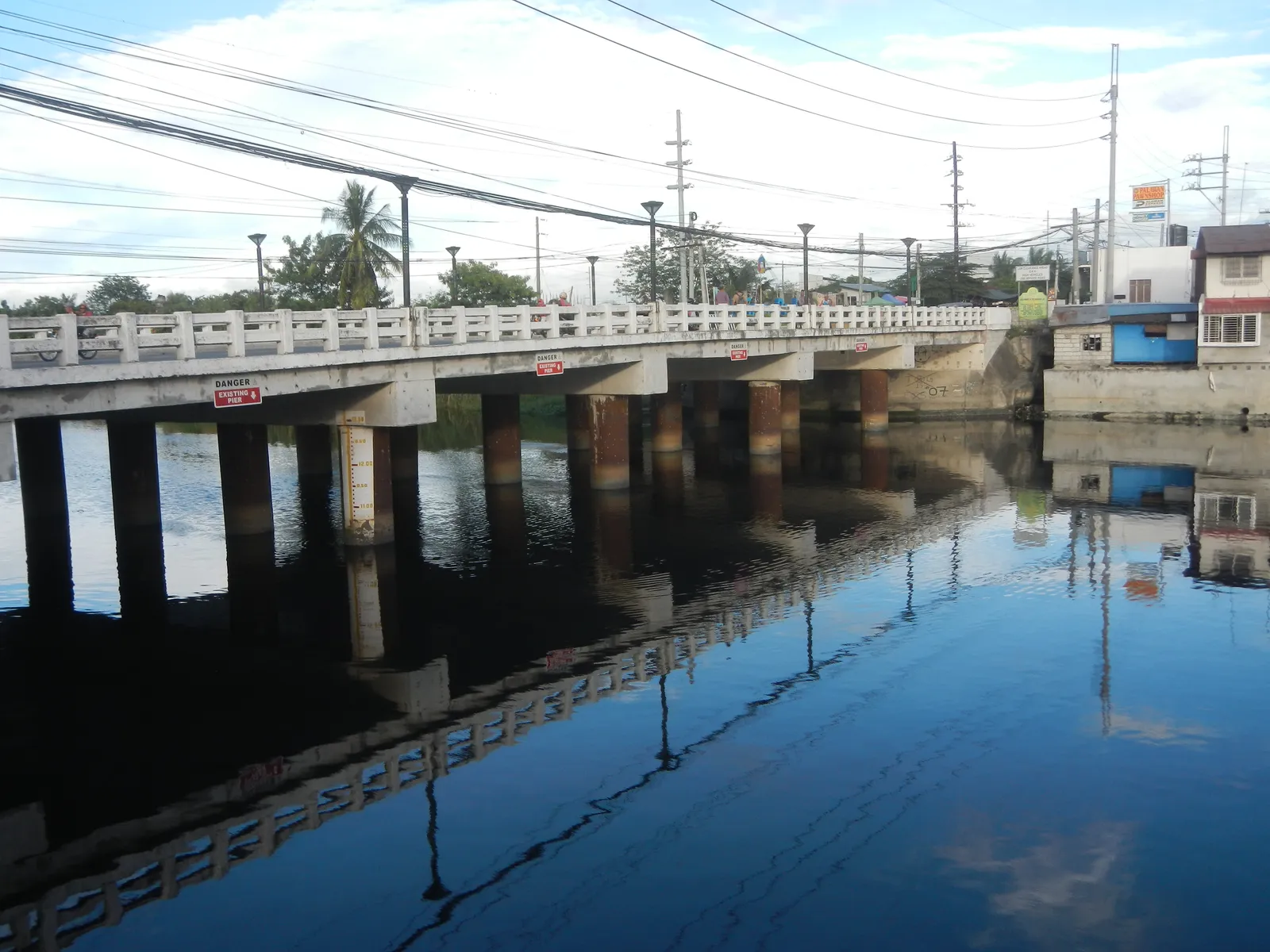
Between about 8:15 and 8:50 p.m., as the pagoda moved along the river, a firework rocket, a kwitis, flew toward it. Witnesses said that people aboard moved to one side to get away from it. The weight of the crowd, all on one side, tilted the barge. “The people on board the pagoda panicked as they heard the noise of crackling timber. The structure of the pagoda collapsed and gradually sank to the riverbed.”
The Toll
Between 226 and 279 people died, depending on which estimate is used. The cause was a combination of overloading, a sudden shift of weight and a panic on a structure that had not been designed for such a load.
Thirteen-year-old Sahjid S. Bulig, a Boy Scout, saved six children before he died himself. He was awarded the Gold Medal of Honor, posthumously, on 31 October 1993.
After 1993
The 1994 festival was drastically scaled down. The pagoda was reduced to a model two feet high, and only 50 people were allowed aboard. The full river procession came back in 2014, with new safety measures.
What the Tragedy Teaches
The Bocaue disaster is a case in which the cause was neither a storm nor a failure of faith. It was a matter of weight and of a crowd that had no room to move. The festival survives because the devotion behind it did, and because, since 1993, the safety of those on the river has been taken seriously.
What the Record Shows
8 sourced claims in this story, resting on 5 primary and historical records. Numbers link to the bibliography below.
- The floating pagoda was built for the annual Krus sa Wawa festival on the Bocaue River on July 2, 1993 - sources: 1, 4
- The barge carried an estimated 800 to 1,000 pilgrims, far exceeding its safe carrying capacity - sources: 1, 2
- A stray firework startled passengers, causing a panic rush to one side that capsized the pagoda - sources: 1, 4
- Over 200 devotees perished, trapped under heavy canvas and submerged timber scaffolding - sources: 1, 2
- 13-year-old Boy Scout Sajid Bulig rescued six children before drowning in the wreckage - sources: 3, 4
- Sajid Bulig was posthumously awarded the Presidential Award of Heroism by President Fidel Ramos - sources: 3, 5
- The tragedy led to a 21-year suspension of the full-scale river festival until it resumed with steel barges in 2014 - sources: 4, 5
- Stringent safety protocols now limit passengers to under 150 with mandatory life vests and Coast Guard escorts - sources: 4, 5
Archival Evidence & Picture Credits
Every image on this page was checked against its Wikimedia Commons file page.
- The floating pagoda of the Bocaue Krus sa Wawa festival, photographed in 2022 (Wikimedia Commons) - Wikimedia Commons file page
- The Bocaue River, where the 1993 disaster took place (Wikimedia Commons) - Wikimedia Commons file page
- The venerated Krus sa Wawa cross, carried in the safety-regulated festival of 2022 (Wikimedia Commons) - Wikimedia Commons file page


Verified Archival Sources & Bibliography
Every claim in this account has been fact-checked against primary archives and scholarly repositories:
- United Press International (UPI): Over 200 Die in Philippine Festival Tragedy (July 3, 1993) (news dispatch)
- The New York Times: Dozens Drown in Philippine Religious Festival River Parade (July 4, 1993) (news)
- World Organization of the Scout Movement: Bronze Wolf and Boy Scouts of the Philippines Heroic Citations (Sajid Bulig) (primary)
- Wikipedia: Bocaue pagoda tragedy (reference)
- Philippine News Agency (PNA): The Legacy of Bocaue River Festival Safety Protocols (government archive)
Echoes of History Uncut. "A Firework Scared the Crowd. Their Floating Shrine Sank.." Echoes of History Uncut. Last modified September 16, 2026. https://echoesofhistoryuncut.com/articles/bocaue-pagoda-tragedy/.

An independent history publication using AI-assisted research, drafting and production. Consult each article’s citations and limitations; source inclusion does not establish independent verification of every claim.
▶
Watch the Complete Archival Documentary on YouTube
Subscribe to Echoes of History Uncut on YouTube for full widescreen 16:9 documentaries, primary archival footage, and declassified deep dives.