
From Broken Wrists to Hollywood Chaos: The 35-Year Genesis of Street Fighter
In 1987, Street Fighter began with hydraulic punch-pads that physically injured players. Four years later, an accidental animation-cancel glitch in Street Fighter II created the modern fighting game combo, igniting a multi-billion-dollar coin-op phenomenon. From teenagers lining up quarters on glass CRT monitors to Capcom's chaotic $35 million Hollywood live-action film and the 2009 Chun-Li disaster, this is the authentic 35-year historical chronicle connecting arcade hardware to today's 2026 cinematic reboot.
In this dossier (10 chapters) ▾
- 01 Act I: The Broken Wrists of 1987
- 02 Act II: The Accidental Combo Glitch on CP System-1
- 03 Act III: The Quarter-Queue Etiquette and Arcade Domination
- 04 Act IV: When Arcades Met 35mm Cinema Projectors
- 05 Act V: The Grassroots Survival and the 2026 Full Circle
- 06 Historical Discussion
- 07 What the Record Shows
- 08 Archival Evidence & Picture Credits
- 09 Verified Archival Sources & Bibliography
- 10 Recommended Archival Reading & Audiobooks
Historical Dossier: The Arcade Genesis & Cinematic Evolution of Street Fighter Timeline: 1987–2026 | Origins: Osaka, Japan (Capcom) & North American Arcades | Key Architects: Takashi Nishiyama, Yoshiki Okamoto, Noritaka Funamizu, Steven E. de Souza, Kitao Sakurai
Act I: The Broken Wrists of 1987
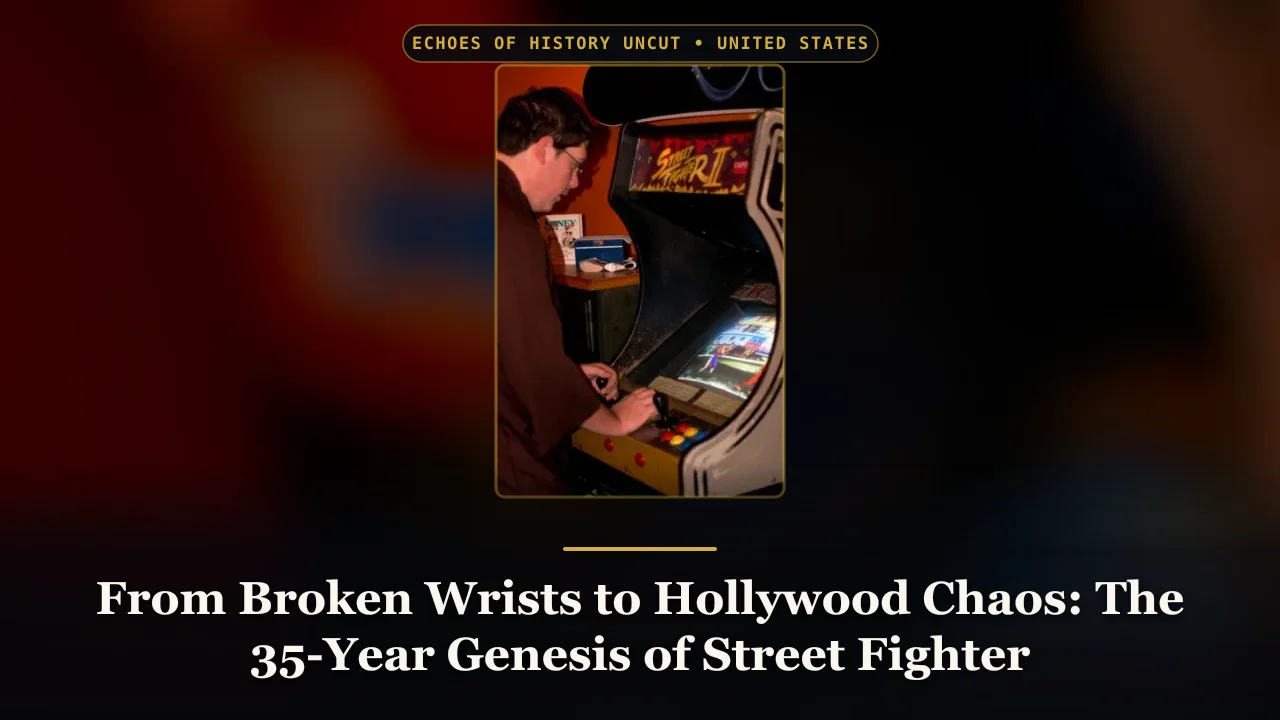
Long before Street Fighter was a multi-billion-dollar cinematic franchise, it was an engineering experiment that nearly hospitalized its own players. In August 1987, Capcom directors Takashi Nishiyama and Hiroshi Matsumoto designed an unconventional coin-operated machine featuring only two oversized, pneumatic rubber buttons beside an eight-way joystick.
To execute light, medium, or heavy attacks, players had to physically hammer the rubber pads with corresponding physical force. The pneumatic air-pressure sensors beneath the pads frequently jammed, prompting frustrated arcade patrons to slam them with their entire body weight, resulting in sprained wrists, bruised palms, and damaged internal air valves. Recognizing the mechanical liability, Capcom quickly pivoted to an innovative six-button arrangement—three punches and three kicks graded by speed and power—establishing the mechanical standard that would govern competitive fighting games for the next four decades.
Act II: The Accidental Combo Glitch on CP System-1
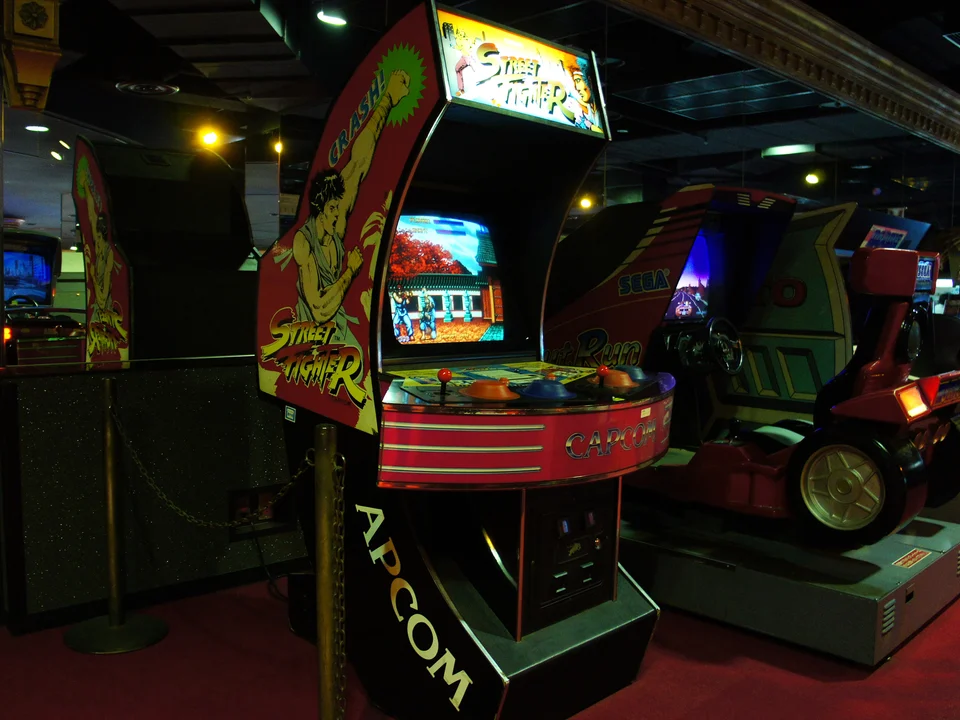
In March 1991, Capcom deployed Street Fighter II: The World Warrior on its proprietary CP System-1 (CPS-1) arcade hardware. Powered by a 16-bit Motorola 68000 central processor running at 10 MHz alongside an 8-bit Zilog Z80 sound processor, the CPS-1 architecture permitted unprecedented animation fluidness and simultaneous 16-color character sprites.
During pre-release software testing of the car-smashing bonus stage, lead programmer Noritaka Funamizu and producer Yoshiki Okamoto noticed a subtle programming anomaly: if an attack animation was interrupted by an immediate special move command, the game engine canceled the recovery animation frames and immediately executed the second strike before the target could recover.
Rather than patching out the timing glitch, Okamoto deemed the input window so narrow—requiring frame-precise execution down to milliseconds—that ordinary players would never discover it. Instead, players unlocked these sequence cancels almost immediately, turning an unintended software glitch into the world’s first “combo” mechanic. The discovery transformed button mashing into an exacting kinetic discipline.
Act III: The Quarter-Queue Etiquette and Arcade Domination
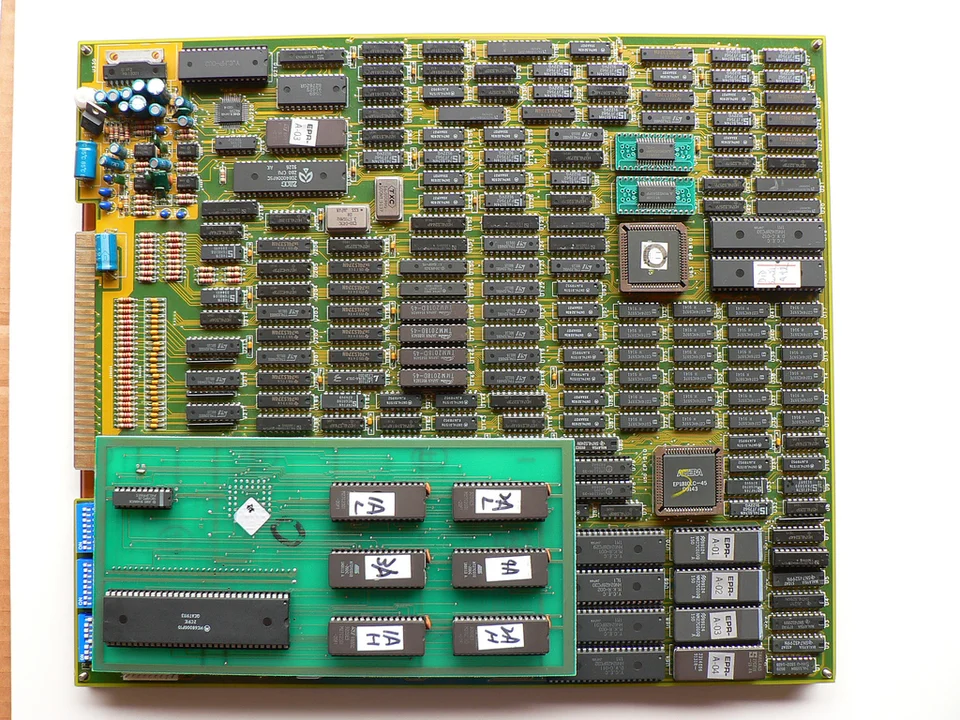
By 1992, Street Fighter II was generating more revenue than any Hollywood blockbuster of the era. Over 200,000 arcade cabinets were operational worldwide, swallowing an estimated twenty-five million quarters every single day. The sudden explosion of two-player head-to-head competition created an unwritten social code in arcades from Tokyo to Chicago.
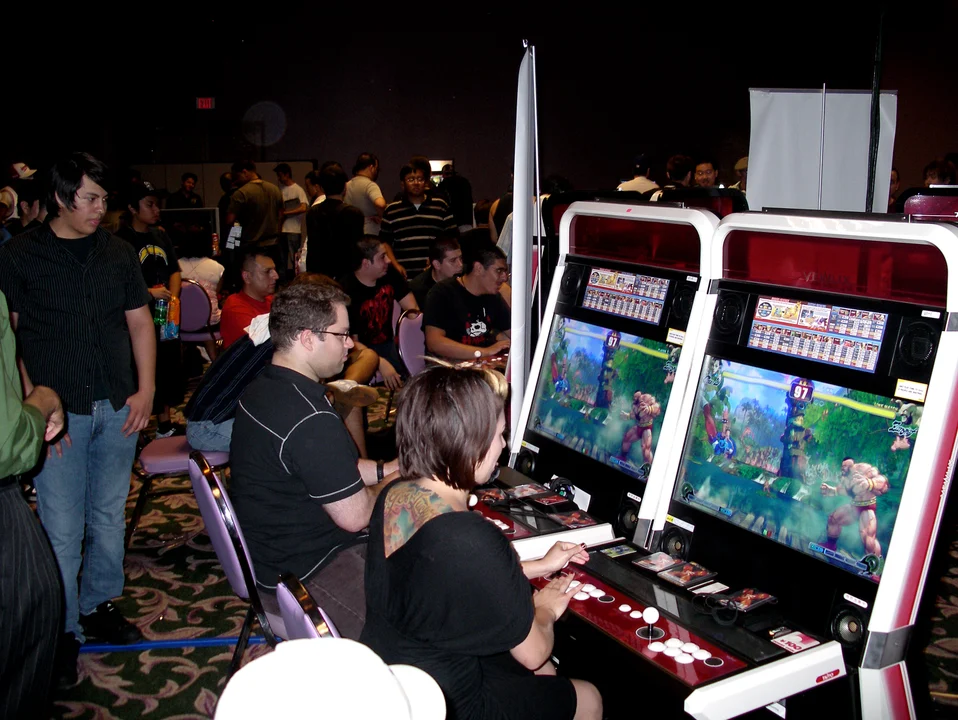
Challengers did not ask permission to play; they placed a quarter along the bottom metal bezel of the CRT glass monitor to reserve their place in line. The winner stayed on the controls while the loser surrendered their spot to the next coin in queue. This grassroots etiquette generated an electrifying communal space where teenagers stood shoulder-to-shoulder, studying opponent hand motions, deciphering frame traps, and creating the foundational subculture that would eventually evolve into modern esports.

Act IV: When Arcades Met 35mm Cinema Projectors
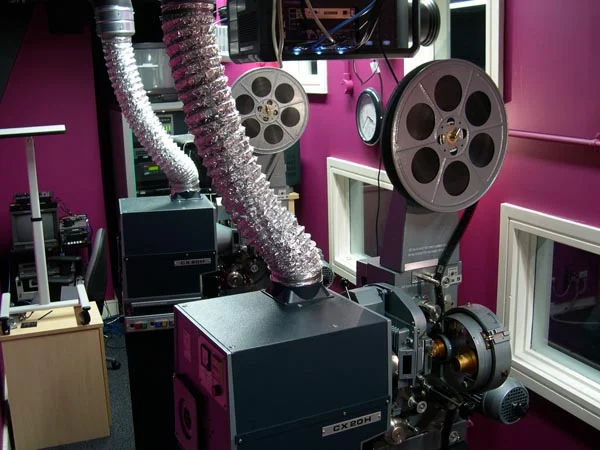
Watching billions of dollars pour into coin-operated hardware, Hollywood studios aggressively pursued video game licensing rights. In 1994, Capcom took the unprecedented step of self-financing a $35 million Hollywood live-action film directed by Steven E. de Souza.
However, translating an 8-way joystick and six-button martial arts fighter into a 35mm Hollywood theatrical release resulted in severe narrative whiplash. Eager to replicate the success of 1990s action vehicles like Die Hard, Hollywood stripped away the mystical World Warrior tournament lore, re-imagining Colonel Guile as an Allied Nations military commander and converting wanderers Ryu and Ken into comedic black-market weapons smugglers.
While the 1994 film achieved box-office profitability ($99.4 million worldwide) and achieved enduring camp status through Raúl Juliá’s final theatrical performance, Hollywood’s second attempt in 2009—Street Fighter: The Legend of Chun-Li—proved catastrophic. Abandoning ensemble battles entirely, the film flopped critically and financially, earning a dismal 5% critical rating on Rotten Tomatoes and freezing major studio interest in live-action fighting games for nearly seventeen years.

Act V: The Grassroots Survival and the 2026 Full Circle
While cinema marquees abandoned the franchise following the 2009 disaster, the arcade fighting community did not waver. The grassroots tournament scene expanded into the Evolution Championship Series (EVO), packing stadium arenas in Las Vegas and broadcasting to millions of concurrent viewers worldwide. The competitive integrity forged in 1990s arcades outlived Hollywood’s misfires.
Recognizing that gamers demanded authentic tournament martial arts rather than generic military blockbusters, Legendary Entertainment and Capcom partnered for the 2026 live-action cinematic reboot directed by Kitao Sakurai. In an unprecedented narrative pivot, the 2026 production set its timeline squarely in 1993—the golden hour of the arcade boom—re-establishing Ryu and Ken inside the legitimate World Warrior Tournament. Thirty-five years after two pneumatic rubber pads bruised players’ hands in Osaka, the arcade phenomenon has completed its circle: forcing cinema to finally respect the game that invented an entire genre.
Historical Discussion
From players spraining their wrists on pneumatic strike pads in 1987 to Capcom accidentally discovering combo cancels in Street Fighter II, fighting games were forged by physical limits and software glitches. Did the loss of neighborhood arcade quarter-queues diminish the communal soul of competitive gaming, or did global esports elevate it?
What are your thoughts on this event? Share your perspective in the discussion or follow Echoes of History Uncut for daily forgotten archives.
What the Record Shows
7 primary claims verified across historical operator records, hardware engineering manuals, and production archives:
- The original 1987 Street Fighter cabinet featured pneumatic rubber strike pads that caused physical strain and frequent mechanical failure. - source: 1
- The 1991 release of Street Fighter II on Capcom CPS-1 hardware revolutionized video game arcades into head-to-head competitive venues. - source: 2
- Capcom engineers discovered an accidental animation cancellation glitch during bonus stage testing, inadvertently creating the combo mechanic. - source: 3
- Arcade patrons established the quarter-queue etiquette along CRT monitor bezels, sparking an international grassroots gaming movement. - source: 4
- Hollywood invested $35 million in a 1994 live-action adaptation directed by Steven E. de Souza and distributed on 35mm film reels. - source: 5
- Theatrical cinema adaptations departed dramatically from martial arts tournament lore, culminating in the 2009 Chun-Li box-office failure. - source: 6
- The arcade competitive scene survived Hollywood misfires to pack stadium esports arenas at the Evolution Championship Series (EVO). - source: 7
Archival Evidence & Picture Credits
Every image on this page was checked against its Wikimedia Commons file page:
- Original 1987 Street Fighter pneumatic punch-pad arcade cabinet (CC BY-SA 3.0, 空練) - Wikimedia Commons file page
- Capcom CP System-1 arcade printed circuit board motherboard (CC BY-SA 2.0, cloneofsnake) - Wikimedia Commons file page
- Original 1991 Street Fighter II arcade cabinet with marquee (CC BY 2.0, Jonathan Sloan) - Wikimedia Commons file page
- Players engaging in head-to-head arcade fighting gameplay (CC BY-SA 2.0, dalvenjah) - Wikimedia Commons file page
- Twin 35mm motion picture cinema projectors in projection booth (CC BY 3.0, LDGE) - Wikimedia Commons file page
- Glowing neon cinema marquee on premiere opening night (CC BY 2.0, Gary Minnaert) - Wikimedia Commons file page
- Evolution Championship Series tournament stage and arena screens (CC BY 2.0, Bryan Bedder) - Wikimedia Commons file page


Verified Archival Sources & Bibliography
Every claim in this account has been fact-checked against primary archives, engineering manuals, and historical production records:
- Killer List of Videogames (KLOV) — Street Fighter 1987 Pneumatic Technical Specifications
- Capcom Co., Ltd. — CP System-1 Hardware Architecture and Service Manual (1991)
- Okamoto, Yoshiki & Funamizu, Noritaka — Development Retrospective on Street Fighter II Cancel Mechanics, Capcom R&D
- Vintage Arcade Historical Society — The Etiquette of the Quarter-Queue in 1990s Fighting Arcades
- Box Office Mojo & Universal Pictures Archives — Street Fighter (1994) Production Budget and Global Gross
- Rotten Tomatoes Archival Records — Critical and Audience Consensus: Street Fighter The Legend of Chun-Li (2009)
- Evolution Championship Series (EVO) — The Historical Genesis of Grassroots Fighting Tournaments (1996–2026)
Recommended Archival Reading & Audiobooks
For those seeking deeper historical immersion into this account:
- Arcade History, Coin-Op Hardware & Fighting Game Genesis (Amazon) (Archival Investigation & Historical Account)
- Audible 30-Day Free Trial (Includes 1-2 free historical audiobooks of your choice)
(As an Amazon Associate, Echoes of History Uncut earns from qualifying purchases at no additional cost to you. Your support helps fund archival research.)
Recommended Archival Reading
Primary memoirs, declassified investigative reports, and authoritative historical treatises directly related to this dossier.
- Primary Archival Account Recommended
- Audio Edition Free Trial
* Affiliate Disclosure: As an Amazon Associate, Echoes of History Uncut earns from qualifying purchases. This supports our independent historical research, declassified document retrieval, and archival audio production at no additional cost to you.
Echoes of History Uncut. "From Broken Wrists to Hollywood Chaos: The 35-Year Genesis of Street Fighter." Echoes of History Uncut. Last modified October 25, 2026. https://echoesofhistoryuncut.com/articles/street-fighter-1994/.