
He Survived Dynamite and Ran 150 Miles in -40° Arctic Snow
In the bitter winter of 1931, Canadian Mounties surrounded Albert Johnson's frozen Yukon cabin. When he fired through the door, police threw twenty pounds of dynamite, completely blowing off the roof—yet Johnson survived and kept shooting from a dug-out trench. Disappearing into the blinding blizzard, he walked backwards through snowdrifts and masked his footprints in caribou herds to throw off trackers. Desperate, the Mounties launched history's first aerial manhunt before cornering the mysterious Mad Trapper on a frozen river.

In this dossier (14 chapters) ▾
- 01 A Stranger on the Peel
- 02 The Cabin Door
- 03 The Chase
- 04 The Pilot
- 05 The Eagle River
- 06 The Siege That Failed
- 07 A Chase Made Public
- 08 The Caribou Trick
- 09 The Last Fight
- 10 Who Was He?
- 11 A Legend
- 12 What the Record Shows
- 13 Archival Evidence & Picture Credits
- 14 Verified Archival Sources & Bibliography
Historical Dossier: The Mad Trapper of Rat River Location: Rat River, Richardson Mountains and Eagle River, Northwest Territories and Yukon, Canada | Year: 1931–1932 | Key Figures: Albert Johnson, Constable Alfred King, Constable Edgar Millen, Wilfrid “Wop” May
A Stranger on the Peel
On 9 July 1931 a man who gave his name as Albert Johnson came down the Peel River to Fort McPherson, in Canada’s far north-west. He built a small cabin on the Rat River and began to trap, though he had not bought a trapping licence. He was unfriendly. Indigenous trappers complained that Johnson had told them roughly to go away and had even pointed a gun at them when they came to visit.
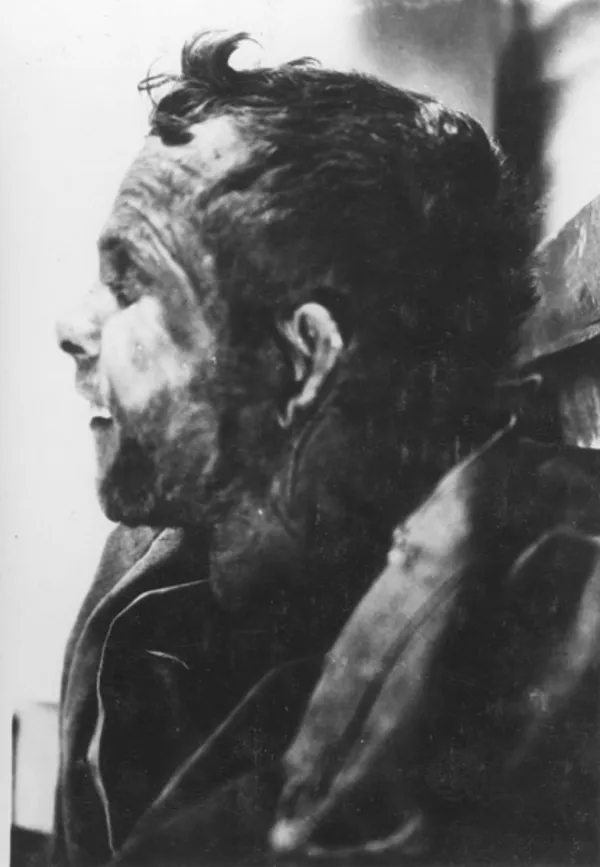
Nobody knew where he came from, and no one has ever been sure.
The Cabin Door
On 26 December 1931 two Royal Canadian Mounted Police constables, Alfred King and Joe Bernard, came to the cabin to look into the complaints, and Johnson would not speak to them. When they returned with a warrant on 31 December, Johnson shot King through the door.
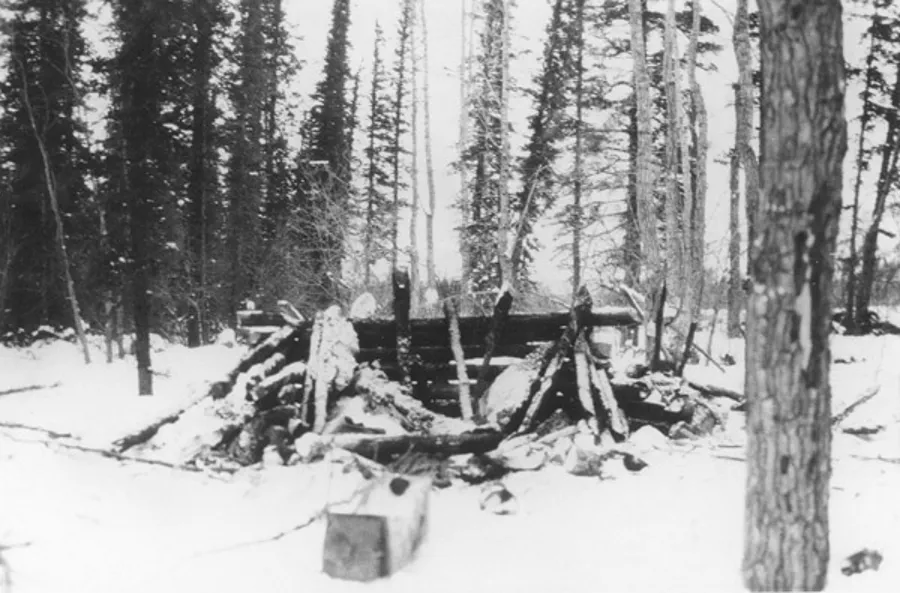
A larger party of police officers and volunteers returned on 9 January 1932 and besieged the cabin for fifteen hours at 40 degrees below zero. They fired hundreds of shots and used dynamite. Johnson survived by hiding in a dugout beneath the ruins.
The Chase
Johnson then took to the snow. The manhunt that followed stretched across more than 240 kilometres of Arctic terrain in January and February 1932. The police followed his tracks with dog teams through deep drifts. He walked over the mountains and across frozen rivers, and he knew how to hide his trail, doubling back and walking on bare ground and windswept ridges.
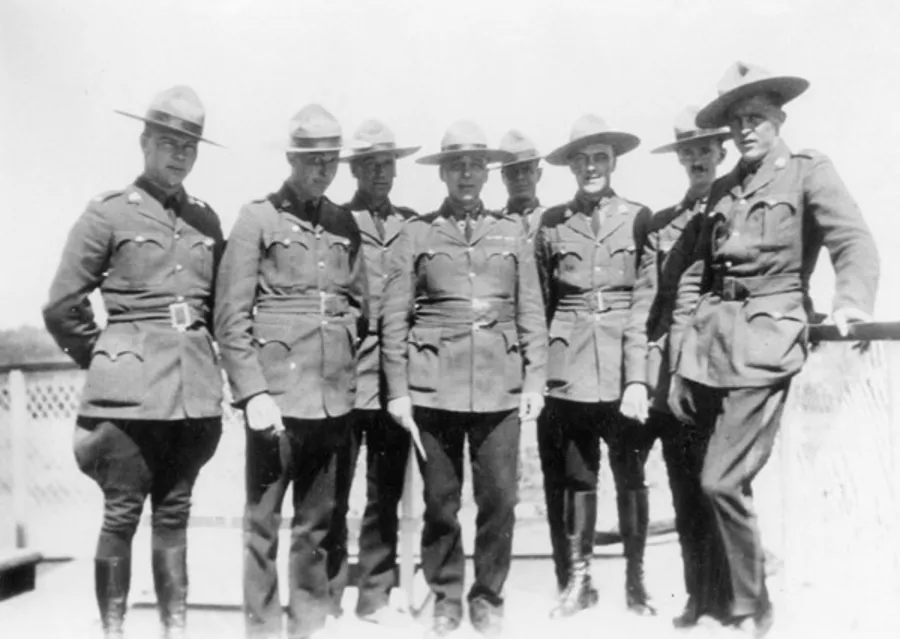
On 30 January, Johnson shot and killed Constable Edgar Millen, who was leading one of the search parties.
The Pilot
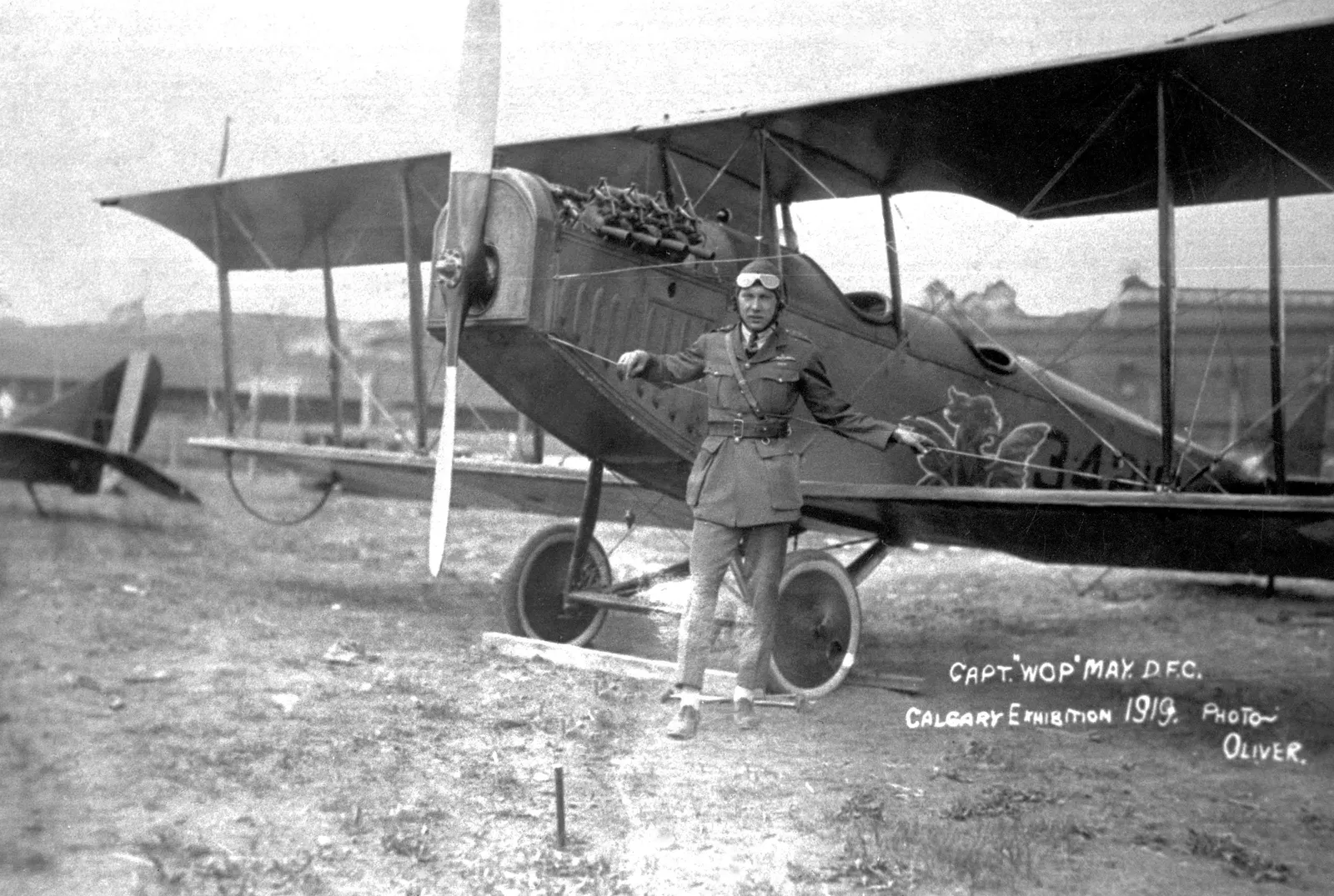
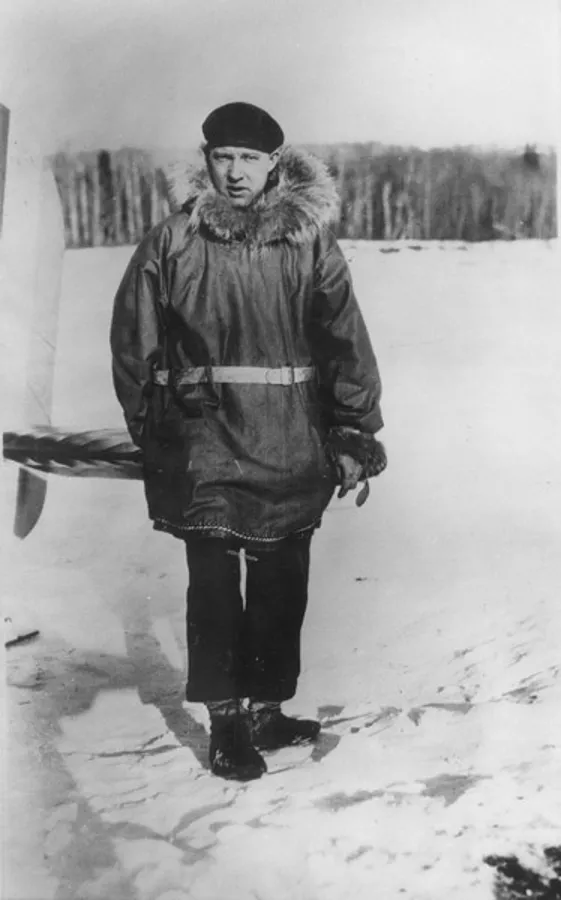
What changed the hunt was an aeroplane. The bush pilot Wilfrid “Wop” May, a First World War flying ace, flew a ski-equipped plane to the area. On 14 February he spotted Johnson’s tracks beyond the Richardson Mountains, and the officers were able to follow them up the Eagle River.
The Eagle River
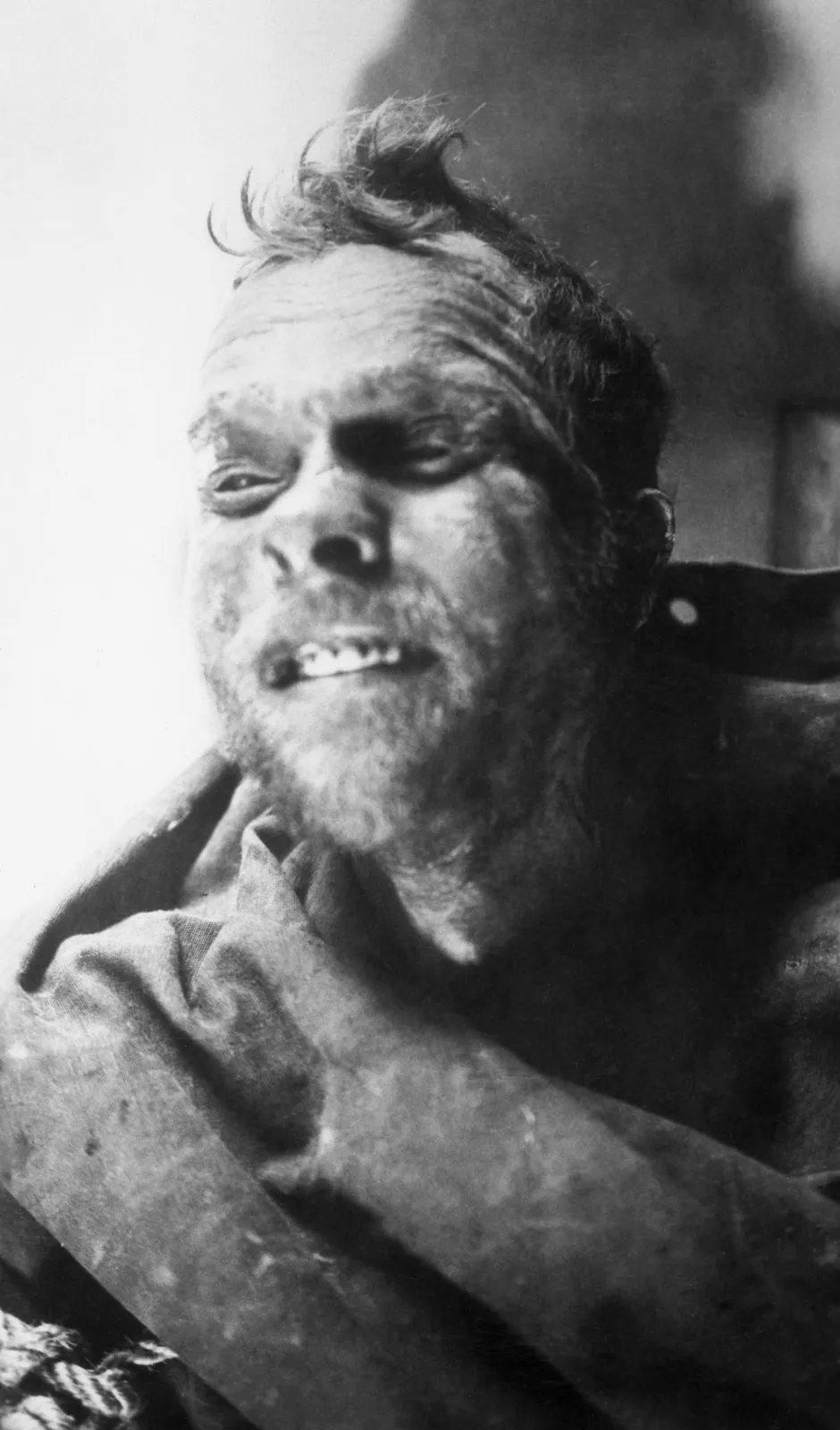
On 17 February 1932 the officers cornered Johnson on the frozen Eagle River. In the firefight he was shot through the pelvis and died of the wound. Staff Sergeant Earl Hersey was seriously wounded, and May flew him to safety.
The Siege That Failed
The police returned on 9 January 1932 and surrounded the cabin on the Rat River. The siege lasted 15 hours. “Hundreds of shots were fired into the cabin and dynamite was used to blow off part of the roof, but Johnson remained inside.” After the explosion, at about 4 a.m., the officers tried to rush the cabin and found Johnson firing from a dugout 1.5 metres deep beneath the ruins. The posse had to retreat in temperatures of 40 degrees below zero. A later RCMP report suggested that the dynamite “barely damaged the cabin” but that it was “purposely destroyed to prevent him from returning to it.”
A Chase Made Public
The Royal Canadian Corps of Signals station at Aklavik sent out news of the shooting, and the story became front-page news. After Constable Edgar Millen was killed on 30 January, the police asked for aircraft. A Canadian Airways pilot, Wop May, arrived on 5 February with his mechanic, Jack Bowen, in a ski-equipped Bellanca monoplane.
The Caribou Trick
On 14 February May saw Johnson’s tracks leading over the Richardson Mountains, a range that the police thought was impassable. He also saw how Johnson had stayed so long out of sight. He had followed caribou tracks in the middle of the river, where the animals walk so that they can see predators coming. By walking in their tracks he hid his own footprints, and could travel on hard-packed snow without using his snowshoes.
The Last Fight
On 17 February the pursuing officers came round a bend in the Eagle River and found Johnson standing only a few hundred metres in front of them. In the shooting, Johnson was hit in the left side of the pelvis at an acute angle. The bullet passed through vital tissue, the bowels and the main arteries. Constable King, who had been wounded, was flown to safety by May, who is credited with saving his life.
Johnson was buried in the cemetery at Aklavik.
Who Was He?
Johnson’s real name was never established. Several candidates have been suggested. One is Arthur Nelson, a trapper from British Columbia who owned matching weapons. Another is John Johnson, a criminal from North Dakota, but DNA testing ruled him out. A third is Owen Albert Johnston, a man from Nova Scotia who vanished during the Great Depression. A fourth is Sigvald Pedersen Haaskjold, a Norwegian who was said to be evading conscription.
An examination of the body in 2007 showed that Johnson had been about 30 to 40 years old, with expensive dental work that suggested a middle-class background. Isotope analysis pointed to Scandinavian or American Midwest origins. In 2021 a genetic analysis traced his ancestry to Swedish towns, among them Hånger and Kävsjö, and linked him to descendants of Gustaf Magnusson (1776–1853) and Britta Svensdotter (1781–1846). His specific identity is still unconfirmed.
A Legend
The chase has been the subject of books, songs and films, among them Challenge to Be Free (1975) and Death Hunt (1981), starring Charles Bronson. It is also remembered as a story with no explanation. Nobody knows why a man who was only asked about a trapping licence killed a policeman,, or why he chose to fight on rather than give himself up.
What the Record Shows
8 sourced claims in this story, resting on 5 primary and historical records. Numbers link to the bibliography below.
- A mysterious trapper known as Albert Johnson arrived in Fort McPherson in July 1931 - sources: 1, 2
- Johnson shot Constable Alfred King through the door of his Rat River cabin in December 1931 - sources: 1, 3
- The RCMP blew the roof off the cabin with twenty pounds of dynamite, but Johnson survived in a dug-out cellar - sources: 2, 3
- Johnson led a 150-mile evasion across the Richardson Mountains in −40° to −50° weather - sources: 1, 4
- RCMP Constable Edgar Millen was shot and killed during a mountain confrontation on January 30, 1932 - sources: 3
- Legendary WWI bush pilot Wop May participated in history’s first tactical airborne manhunt - sources: 2, 6
- Johnson was killed in a shootout on the frozen Eagle River on February 17, 1932 - sources: 1, 3
- He carried over $2,000 in cash and gold, but no identifying documents; DNA tests in 2009 failed to identify him - sources: 2, 4
Archival Evidence & Picture Credits
Every image on this page was checked against its Wikimedia Commons file page.
- A forensic side profile photograph of Albert Johnson (Wikimedia Commons) - Wikimedia Commons file page
- The ruins of Albert Johnson’s cabin after the police used dynamite (Wikimedia Commons) - Wikimedia Commons file page
- RCMP officers pursuing Johnson with dog teams through deep snow (Wikimedia Commons) - Wikimedia Commons file page
- Captain Wilfrid “Wop” May, D.F.C., the bush pilot who helped find Johnson (Wikimedia Commons) - Wikimedia Commons file page
- Wop May’s ski-equipped aeroplane on a frozen river during the manhunt (Wikimedia Commons) - Wikimedia Commons file page
- Albert Johnson’s body after the final shootout on the Eagle River (Wikimedia Commons) - Wikimedia Commons file page


Verified Archival Sources & Bibliography
Every claim in this account has been fact-checked against primary archives and scholarly repositories:
- Wikipedia: Albert Johnson (criminal) (reference)
- Internet Archive: The Mad Trapper of Rat River (Dick North) (book)
- Royal Canadian Mounted Police (RCMP): Historical Case Files: The Mad Trapper of Rat River (primary)
- The Canadian Encyclopedia: Albert Johnson (Mad Trapper of Rat River) (reference)
- Library and Archives Canada: Wop May and the RCMP Northern Operations Registry (primary)
Echoes of History Uncut. "He Survived Dynamite and Ran 150 Miles in -40° Arctic Snow." Echoes of History Uncut. Last modified September 19, 2026. https://echoesofhistoryuncut.com/articles/mad-trapper-rat-river/.

An independent history publication using AI-assisted research, drafting and production. Consult each article’s citations and limitations; source inclusion does not establish independent verification of every claim.
▶
Watch the Complete Archival Documentary on YouTube
Subscribe to Echoes of History Uncut on YouTube for full widescreen 16:9 documentaries, primary archival footage, and declassified deep dives.