
How Halloween Actually Started
Long before trick-or-treating and plastic masks, ancient Celtic villagers gathered on the pitch-black night of October 31 to celebrate Samhain. Believing the veil between the living and the dead collapsed, they donned animal heads to deceive vengeful spirits, carried demonic faces hollowed out of turnips holding burning coals, and left food for wandering souls. When the Great Famine drove millions of Irish immigrants to America in the 1840s, they discovered local harvest pumpkins—transforming an ancient pagan terror into the worldwide ritual of Halloween.

In this dossier (8 chapters) ▾
- 01 The Night the Living Hid From the Dead
- 02 When the Veil Vanished: The Crossing of the Aos Sí
- 03 The Ancient Turnip: The Original Demon Lantern
- 04 The Famine Diaspora: How the American Pumpkin Took Over
- 05 The Eternal Echo of Samhain
- 06 What the Record Shows
- 07 Archival Evidence & Picture Credits
- 08 Verified Archival Sources & Bibliography
Historical Dossier: The Pagan Celtic Origins of Halloween (Oíche Shamhna) Location: Ireland & Celtic Britain | Era: c. 500 BCE – 19th Century | Key Cultural Traditions: Samhain, Aos Sí, Mari Lwyd, Turnip Jack-o’-Lanterns, Great Famine Diaspora
The Night the Living Hid From the Dead
Every autumn, millions of children around the world dress in plastic superhero costumes, ring their neighbors’ doorbells, and demand miniature chocolate bars. Front lawns are festooned with cartoonish foam tombstones, synthetic spider webs, and brightly grinning orange gourds.
Yet beneath this modern multi-billion-dollar carnival of candy lies one of the darkest and most psychologically intense survival rituals of the ancient world.
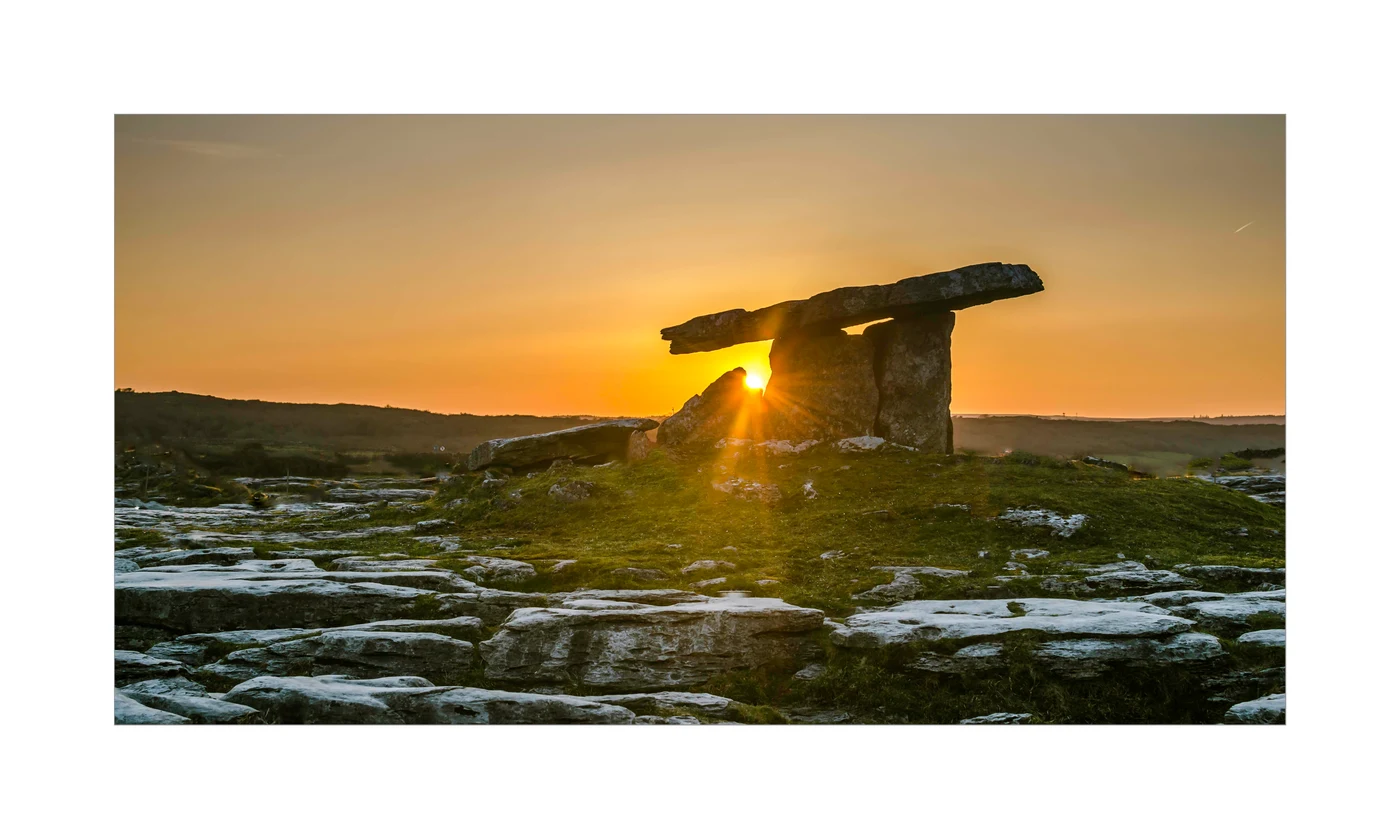
More than two thousand years ago across Ireland, Scotland, and the Celtic fringes of Europe, the night of October 31 wasn’t a festival of manufactured fright. It was a terrifying threshold known as Samhain (pronounced /ˈsaʊ.ɪn/ or SOW-in)—the sacred boundary marking the end of summer’s warmth and the descent into the freezing, starvation-haunted dark half of the year.
When the Veil Vanished: The Crossing of the Aos Sí
In ancient Celtic cosmology, time was cyclical and liminal boundaries were sacred. The transition between the old pastoral year and the new winter did not belong to either season. During this temporal crack in reality, the Celts believed the invisible veil separating the physical mortal realm from the otherworld (Tír na nÓg) dissolved entirely.
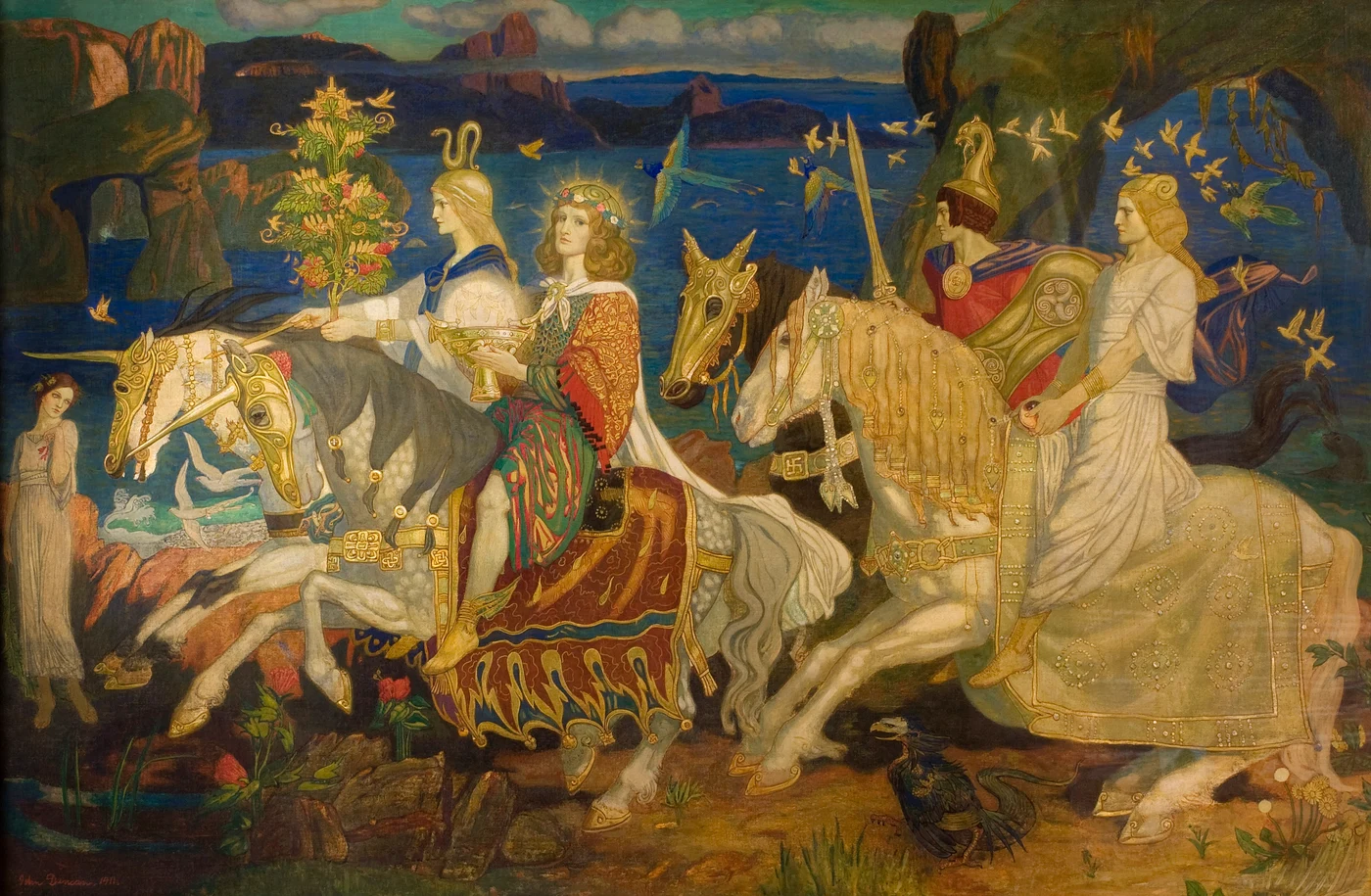
Spirits of deceased ancestors returned to visit their former hearths. But far more terrifying than familiar ghosts were the Aos Sí (the fairies, fallen gods, and ancient spirits of the mounds). These were not the winged, benevolent sprites of Victorian children’s books; they were powerful, mercurial, and often vengeful entities capable of stealing cattle, withering winter grain, blighting infant cribs, or abducting unwary wanderers into eternal captivity beneath the earth.
To survive the night, ordinary villagers took extreme precautions. If you had to step outside into the pitch-black wilderness, you never did so as yourself.
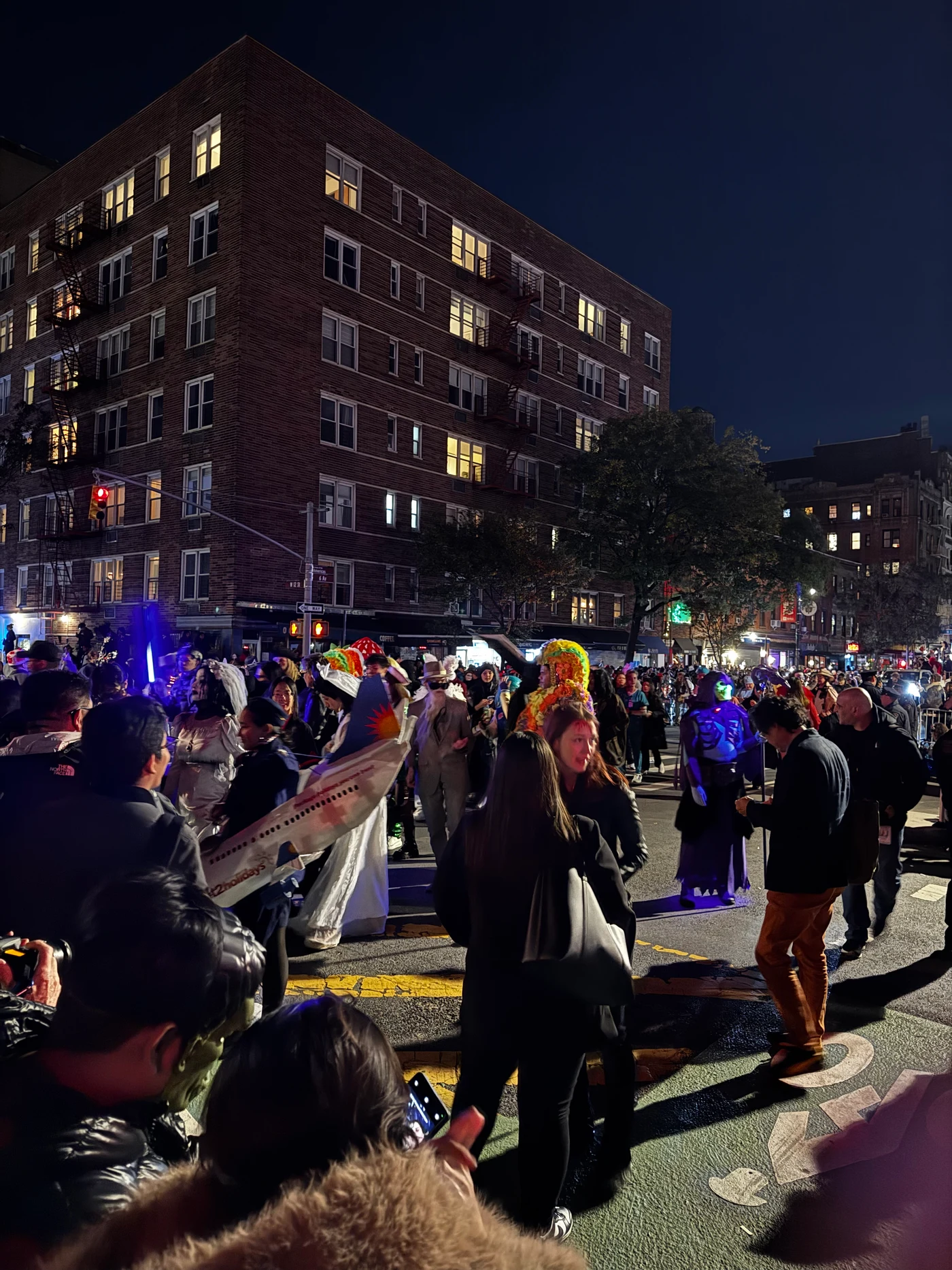
Villagers engaged in guising or mumming: they draped themselves in rough hides, blackened their faces with ash, and donned the severed skulls of horses, bulls, and goats. By disguising their human identity and appearing as monstrous, demonic beasts themselves, travelers hoped that wandering spirits would mistake them for fellow denizens of the otherworld and pass them by without harm.
The Ancient Turnip: The Original Demon Lantern
In the damp chill of pre-modern Ireland, there were no bright orange pumpkins; pumpkins are native to the Americas and were completely unknown in Europe until transatlantic trade centuries later.
Instead, Celtic families turned to the toughest, hardiest root vegetable available in their stony fields: the turnip (or rutabaga, known locally as the swede or neep).
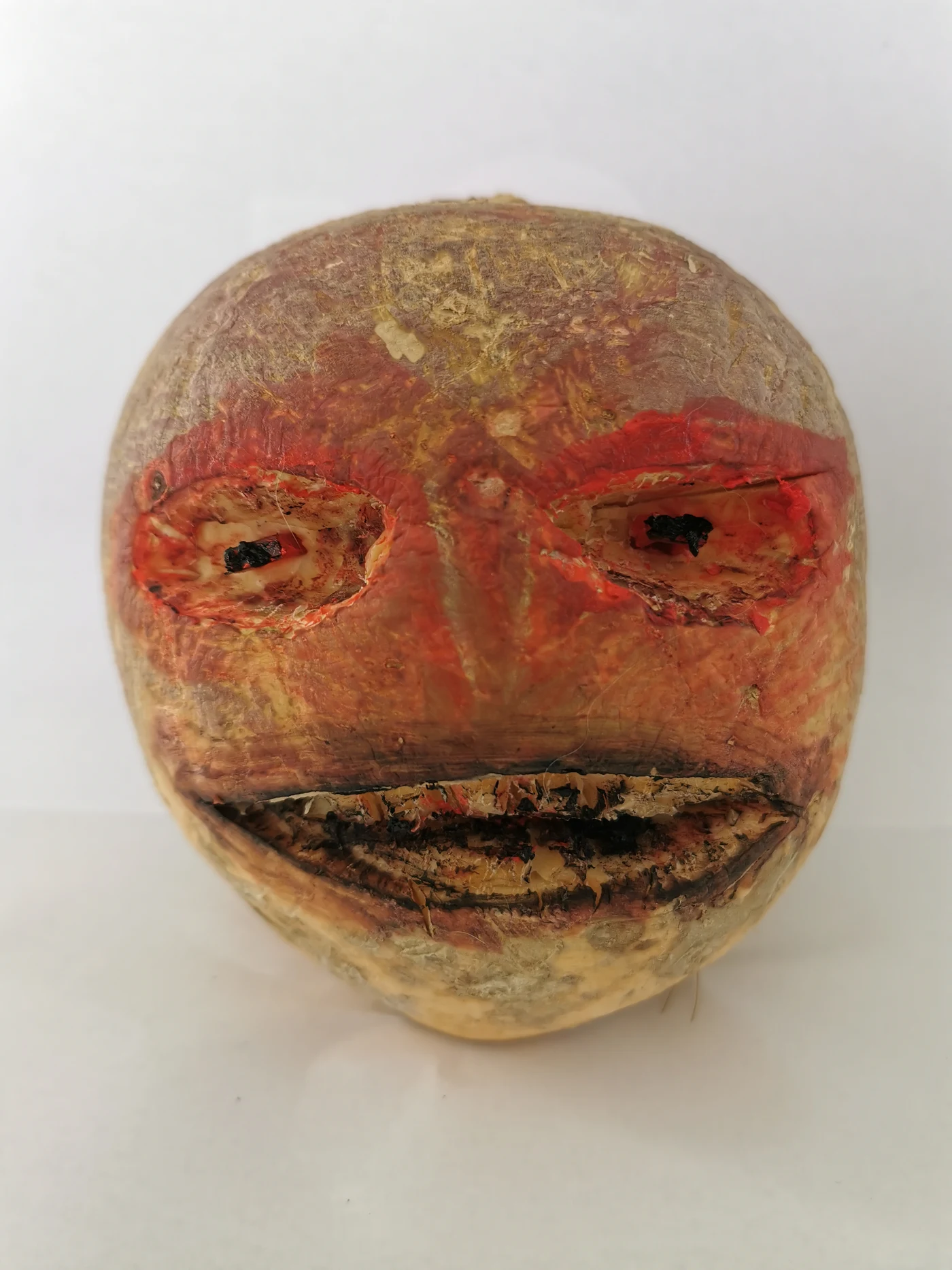
Carving a turnip was brutal, physical labor. Unlike a soft, hollow pumpkin, a raw winter turnip is dense, fibrous, and rock-hard. Using small iron blades and scrapers, villagers painstakingly gouged out the solid white interior, carving grotesque, angular grimaces, jagged teeth, and hollowed-out demonic eyes directly into the root’s outer skin.
Inside this hollowed shell, they placed a glowing ember lifted from the communal sacred hill bonfire—such as the great ceremonial fire atop the Hill of Ward (Tlachtga) in County Meath.
These horrific, shriveled lanterns served a dual spiritual purpose:
- Protective Talismans: Set upon stone windowsills and doorsteps, the grimacing turnip lantern warned malicious spirits and goblins that the home was already guarded by a fearsome demonic presence.
- Wayfinders for the Dead: For the friendly souls of ancestors navigating the impenetrable black fog of late autumn, the faint flickering ember guided them back to the warm hearth, where plates of food and bowls of milk had been set out in welcome.
The folk legend of Stingy Jack—a cunning blacksmith who tricked the Devil into a tree, trapped him with a carved cross, and upon dying was barred from both Heaven and Hell—cemented the root lantern into folklore. Cursed to wander the cold earth for eternity with nothing but a single burning ember from the fires of Hell tucked inside a carved turnip, the ghostly wanderer became known as Jack of the Lantern, or the Jack-o’-lantern.
The Famine Diaspora: How the American Pumpkin Took Over
The decisive turning point in Halloween’s evolution came during the darkest chapter in modern Irish history: the Great Famine (An Gorta Mór) between 1845 and 1852.
As potato blight decimated Ireland’s staple crop, leading to mass starvation and disease, more than one million Irish men, women, and children fled across the Atlantic Ocean aboard crowded “coffin ships” bound for Boston, New York, Philadelphia, and Canadian ports.
These impoverished refugees brought little physical property with them, but they carried their oral traditions, folklore, and autumn customs intact in their memories.
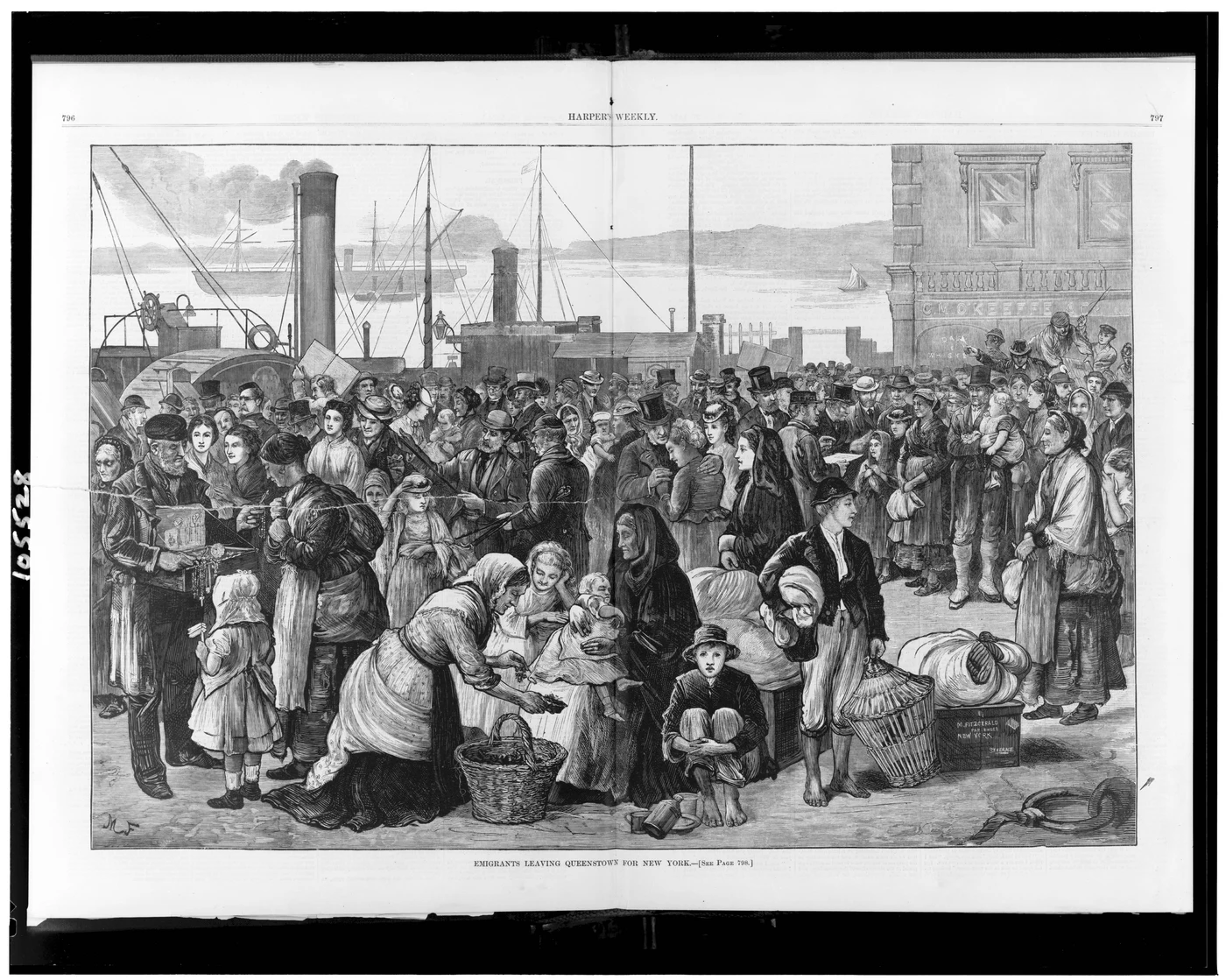
When the autumn of their exile arrived in North America, the Irish immigrants went to market seeking their familiar root vegetables to carve Jack-o’-lanterns for Oíche Shamhna. Instead, they encountered an indigenous American crop that completely revolutionized the ritual: the native orange pumpkin (Cucurbita pepo).
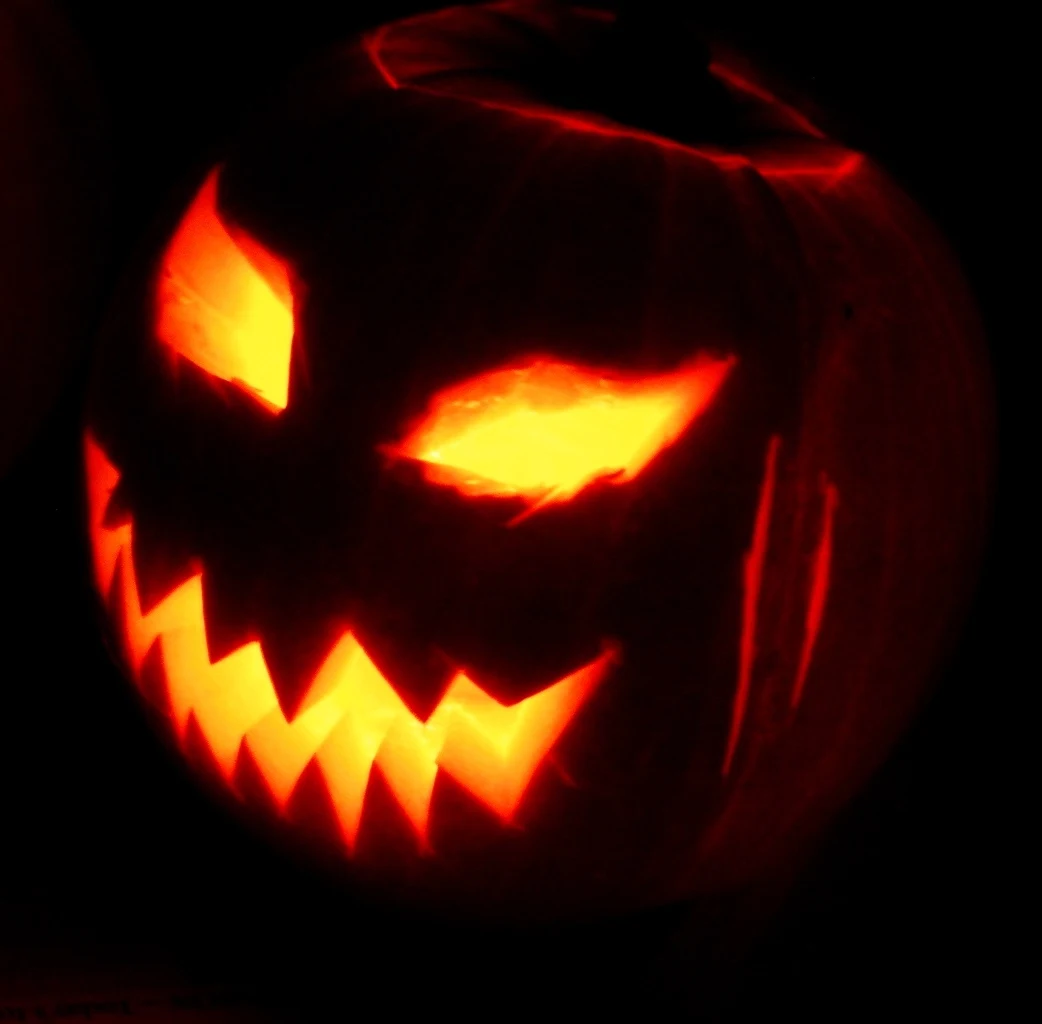
Compared to the stubborn, wrist-breaking turnip, the New World pumpkin was a miracle of nature:
- It was naturally hollow with soft pulp that could be easily scooped out with a spoon.
- It was significantly larger, allowing for expressive, artistic, and intricate facial carvings.
- Its vivid, fiery orange rind amplified the golden flicker of candlelight, transforming an eerie, gray root vegetable into a warm, luminous centerpiece of the autumn harvest.
By the late 19th and early 20th centuries, Irish-American communities had popularized the pumpkin jack-o’-lantern across the United States. Mainstream American magazines, schools, and civic clubs embraced the seasonal festivities, stripping away the visceral fear of starvation and demonic possession while preserving the theatrical joy of costumes, treats, and glowing lanterns.
The Eternal Echo of Samhain
Today, Halloween is celebrated on every continent, from Tokyo’s Shibuya crossing to London, Sydney, and Mexico City. It has been transformed into a global celebration of imagination, candy, and cinematic horror.
Yet when the sun sets on October 31, and a candle is placed inside a carved face flickering on a dark doorstep, the ancient rhythm remains unbroken. Across thousands of miles and two millennia of human history, we are still gathering together in the falling darkness, donning disguises to hide our vulnerability, and keeping a solitary light burning against the cold mystery of the winter night.
What the Record Shows
- Across ancient Ireland, the sacred autumn festival of Samhain marked the boundary between summer harvest and the dark half of the year - sources: 1, 2
- Ancient Celts believed the liminal veil separating the mortal realm from the otherworld (Aos Sí) collapsed during Samhain night - sources: 1, 4
- Villagers disguised their human identity using rough animal hides, soot, and animal skulls (guising) to fool wandering spirits - sources: 1, 5
- Families carved grotesque demonic grimaces into fibrous winter turnips (swedes) to carry glowing embers from sacred hilltop bonfires - sources: 3, 5
- Irish immigrants fleeing the Great Famine (1845–1852) brought Samhain customs to North America, where abundant native pumpkins replaced turnip carving - sources: 3, 6
Archival Evidence & Picture Credits
Every image on this page was verified against museum registries, national archives, and historical collections:
- Autumn sunset over the ancient Neolithic portal tomb at Poulnabrone, County Clare, Ireland (Frank Chandler / CC BY-SA 4.0) - Wikimedia Commons file page
- Riders of the Sidhe (1911) by John Duncan depicting otherworldly Celtic spirits crossing the liminal veil (Public domain) - Wikimedia Commons file page
- Modern costumed paraders at the Village Halloween Parade in New York City (Tzim78 / CC BY 4.0) - Wikimedia Commons file page
- Traditional hand-carved Irish turnip jack-o’-lantern (Killim / CC BY-SA 4.0) - Wikimedia Commons file page
- Irish emigrants boarding tenders at Queenstown (Cobh) for New York during the Famine era (1874 engraving by Michael Fitzgerald, Library of Congress / Public domain) - Wikimedia Commons file page
- Classic illuminated American pumpkin jack-o’-lantern glowing in the dark (Toby Ord / CC BY-SA 2.5) - Wikimedia Commons file page


Verified Archival Sources & Bibliography
Every claim in this account has been cross-referenced with primary folklife archives and peer-reviewed historical literature:
- Wikimedia & Academic Consortium: Samhain Historical Overview and Etymology (folkloric consensus)
- Encyclopedia Britannica: Samhain (Celtic Festival) (encyclopedic reference)
- Encyclopedia Britannica: Jack-o’-lantern Origin and Stingy Jack Folklore (folkloric record)
- Hutton, Ronald: The Stations of the Sun: A History of the Ritual Year in Britain, Oxford University Press (academic monograph)
- National Museum of Ireland – Country Life: Folklife Collection and Turnip Jack-o’-Lantern Registry, Castlebar (museum primary collection)
- Santino, Jack: The Hallowed Eve: Dimensions of Culture in a Contemporary Holiday, University Press of Kentucky (scholarly treatise)
Echoes of History Uncut. "How Halloween Actually Started." Echoes of History Uncut. Last modified October 31, 2026. https://echoesofhistoryuncut.com/articles/how-halloween-started/.

An independent history publication using AI-assisted research, drafting and production. Consult each article’s citations and limitations; source inclusion does not establish independent verification of every claim.
▶
Watch the Complete Archival Documentary on YouTube
Subscribe to Echoes of History Uncut on YouTube for full widescreen 16:9 documentaries, primary archival footage, and declassified deep dives.