
How the Thames Tunnel Became Railway Infrastructure
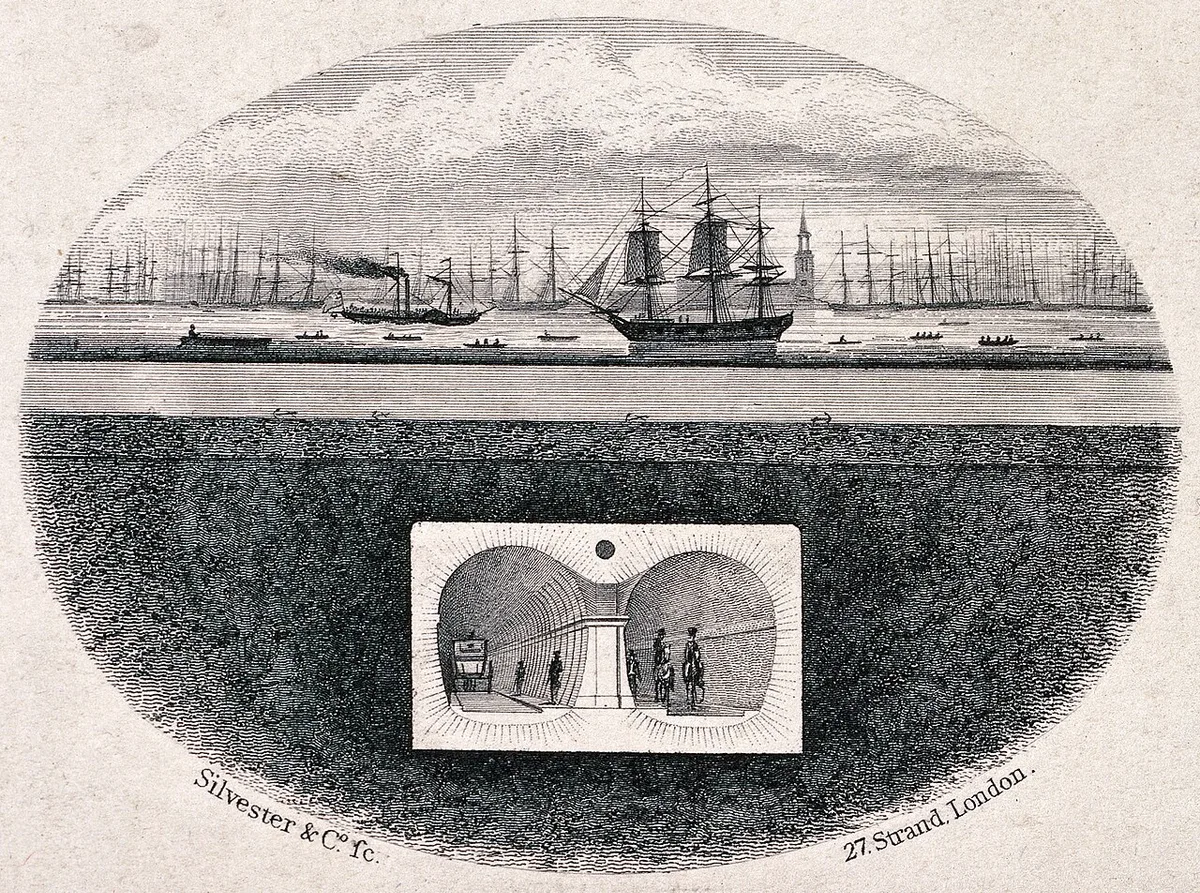
The Thames Tunnel was designed to provide a road connection from the Port of London to Rotherhithe. Work on this project began in January 1825.
In this dossier (9 chapters) ▾
- 01 The Vision for the Thames Tunnel
- 02 Construction and Early Opening
- 03 Engineering Methods and Challenges
- 04 Public Use and Financial Struggles
- 05 Transition to Railway Infrastructure
- 06 Legacy and Current Status
- 07 What the Record Shows
- 08 Archival Evidence & Picture Credits
- 09 Verified Archival Sources & Bibliography
The Vision for the Thames Tunnel
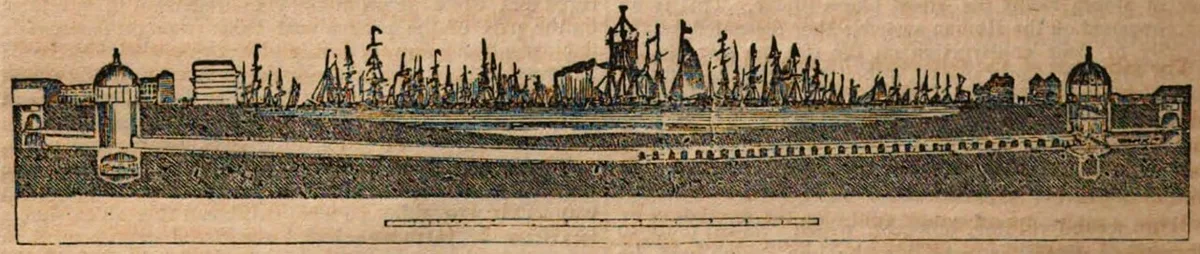
The Thames Tunnel was designed to provide a road connection from the Port of London to Rotherhithe. Work on this project began in January 1825.
Construction and Early Opening
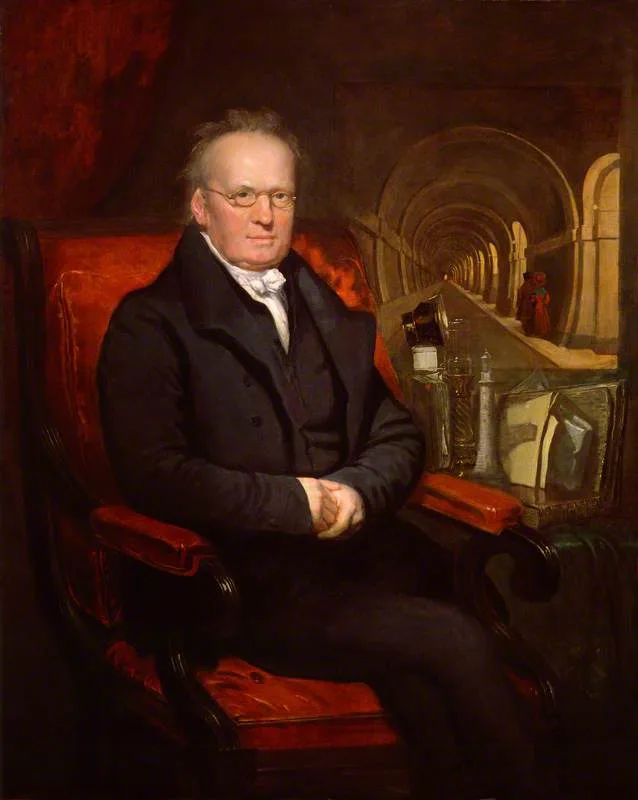
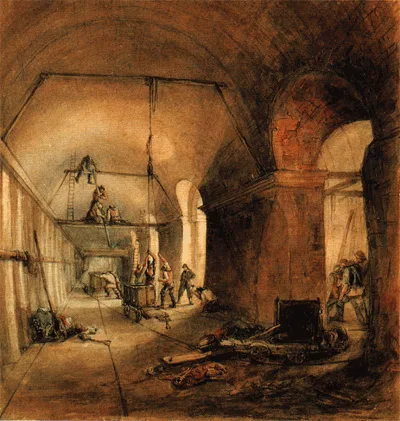
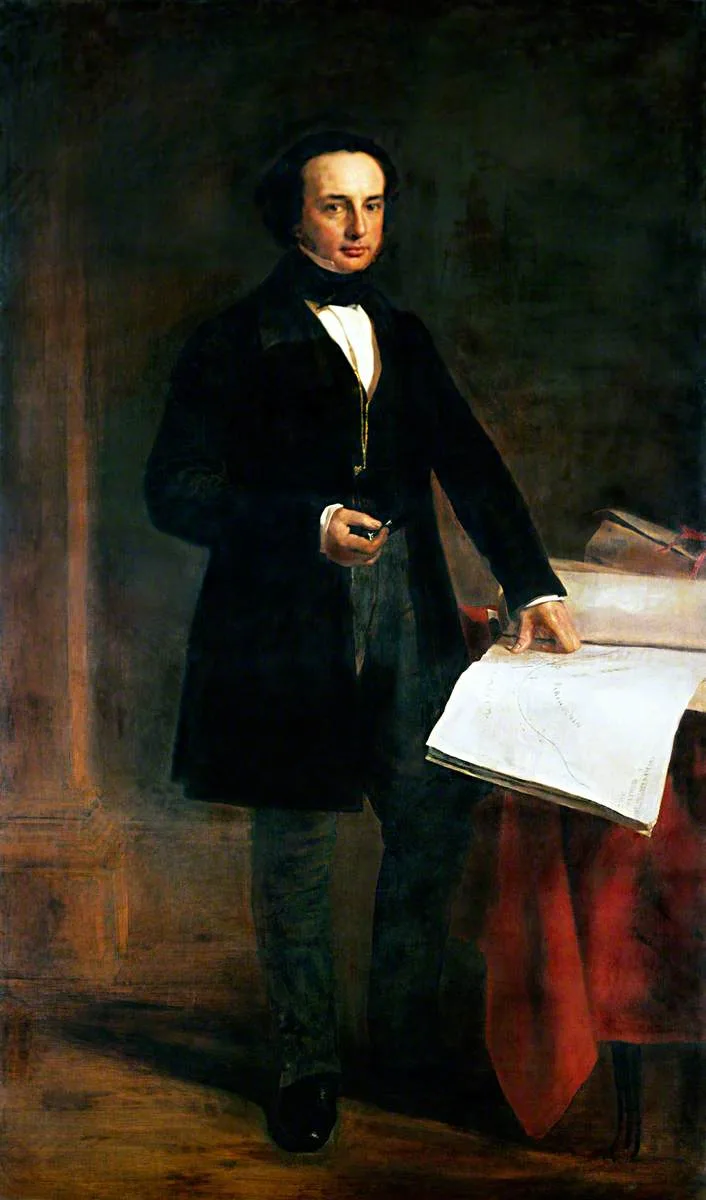
The tunnel was built by a father and son team of engineers from different countries, including French-born engineers. Marc Brunel designed the tunnel using a revolutionary tunnel shield, while Isambard Brunel took charge of operations and nearly lost his life in a flood.
Engineering Methods and Challenges
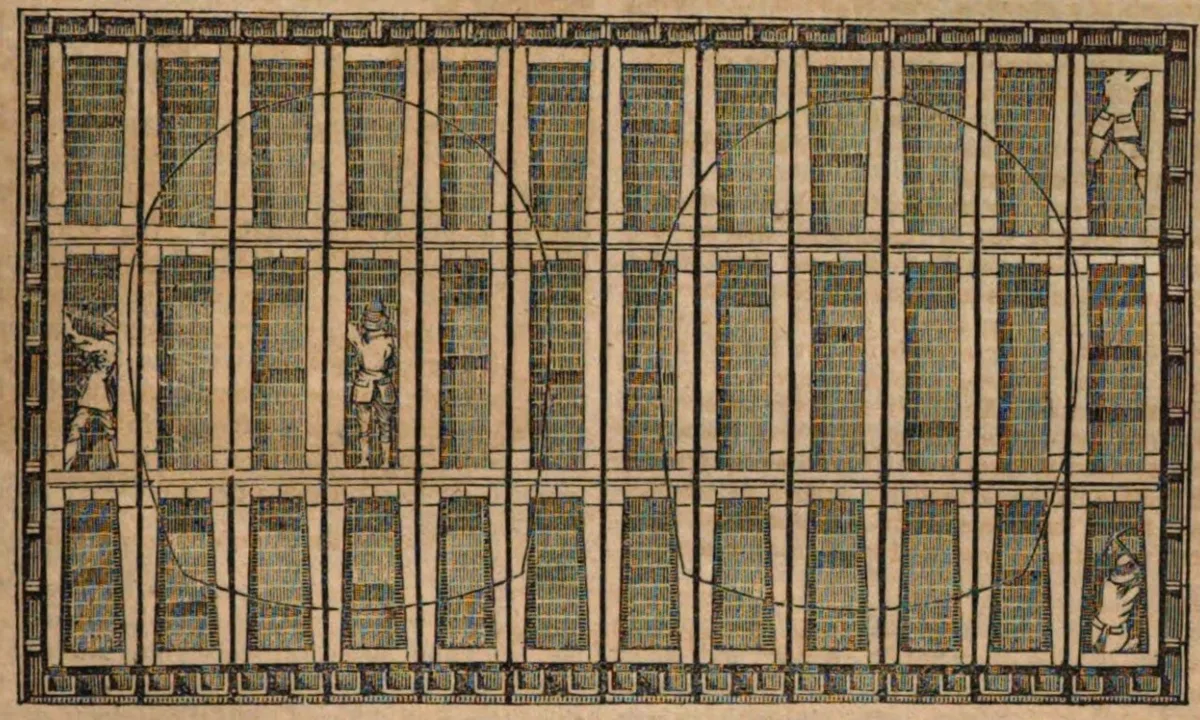
To build the tunnel, a shield was pushed into the leading end as it was dug. A bulkhead fit the inside near the rock face where workers drilled, and these workers entered the compression chamber through an air lock. The drilling machines formed their own seal between the rock face and the tunnel behind them.
Public Use and Financial Struggles
The tunnel opened to the public in 1843. To convince people the tunnel was safe, a lavish underwater banquet was organized. During its time as a foot-path, the tunnel was not a financial success, and a Fancy Fair was held there every year.
Transition to Railway Infrastructure
The tunnel was sold to the East London Railway in 1865 and converted to railway use in 1871. It remains an important part of the London Underground system today, having transitioned from its early purpose as a road connection.
Legacy and Current Status
The site has preserved original elements, such as a scarred wall from the original staircase. It was designated as an International Historic Civil Engineering Landmark. While the tunnel is currently dry with only three isolated leaks, the Brunel Museum team hopes to build a positive new future to inspire visitors and the local community.
What the Record Shows
22 sourced claims in this story, resting on 9 sources. Numbers link to the bibliography below.
- Work on the tunnel began in January 1825. - source: 1
- The tunnel was intended to provide a road connection from the Port of London to Rotherhithe. - source: 1
- The tunnel was built by French-born engineers. - source: 2
- The tunnel was built by a father and son team of engineers. - source: 2
- The tunnel was built by engineers from different countries. - source: 2
- Marc Brunel designed the tunnel using a revolutionary tunnel shield. - source: 3
- Isambard Brunel took charge of operations and nearly lost his life in a flood. - source: 3
- The drilling machines formed their own seal between the rock face and the tunnel behind them. - source: 4
- A bulkhead fits the inside of the tunnel near the rock face where workers are drilling. - source: 4
- Workers enter the compression chamber through an air lock. - source: 4
- A shield is pushed into the leading end of the tunnel as it is dug. - source: 4
- The tunnel opened to the public in 1843. - source: 5
- The tunnel as a foot-path was not a financial success. - source: 1
- A Fancy Fair was held in the Thames Tunnel every year. - source: 5
- A lavish underwater banquet was organized in November 1827 to convince people the tunnel was safe. - source: 3
- The tunnel was sold to the East London Railway in 1865. - source: 1
- The tunnel was converted to railway use in 1871. - source: 1
- The tunnel remains an important part of the London Underground system today. - source: 1
- The Thames Tunnel was designated as an International Historic Civil Engineering Landmark in 1991. - source: 6
- The space has preserved original elements, including a scarred wall from the original staircase. - source: 7
- The tunnel is currently dry with only three isolated leaks. - source: 8
- The Brunel Museum team hopes to build with you towards a positive new future, to inspire visitors and the local community through sharing new and improved facilities, a space for community events, new areas to display remarkable objects, and by celebrating our historic site in a way that celebrates innovation and ingenuity. - source: 9
Archival Evidence & Picture Credits
- A ship is sailing on a river above ground with a railway tun Wellcome V0040917 (CC BY 4.0, Silvester & Co.) - Wikimedia Commons file page
- Penny Magazine 1832 340 Longitudinal Section of the Tunnel (Public domain, Unknown author) - Wikimedia Commons file page
- Penny Magazine 1832 341 Shield used in the Excavation of the Thames Tunnel (Public domain, Unknown author) - Wikimedia Commons file page
- Samuel Drummond (1765-1844) - Sir Marc Isambard Brunel - NPG 89 - National Portrait Gallery (Public domain, Samuel Drummond) - Wikimedia Commons file page
- Thames tunnel construction 1830 (Public domain, Unknown author) - Wikimedia Commons file page
- John Callcott Horsley (1817-1903) - Isambard Kingdom Brunel (1806–1859) - 1975-8535 - National Railway Museum (Public domain, John Callcott Horsley) - Wikimedia Commons file page


Verified Archival Sources & Bibliography
- ph.ucla.edu
- life.com
- ikbrunel.org.uk
- nytimes.com
- news.bbc.co.uk
- en.wikipedia.org
- theguardian.com
- independent.co.uk
- brunel-museum.org.uk
Recommended Archival Reading
Primary memoirs, declassified investigative reports, and authoritative historical treatises directly related to this dossier.
- Archival Literature Recommended
- Audiobook Edition Free Trial
* Affiliate Disclosure: As an Amazon Associate, Echoes of History Uncut earns from qualifying purchases. This supports our independent historical research, declassified document retrieval, and archival audio production at no additional cost to you.
Echoes of History Uncut. "How the Thames Tunnel Became Railway Infrastructure." Echoes of History Uncut. Last modified October 17, 2026. https://echoesofhistoryuncut.com/articles/thames-tunnel/.