
The Collapse of the Tacoma Narrows Bridge
In this dossier (8 chapters) ▾
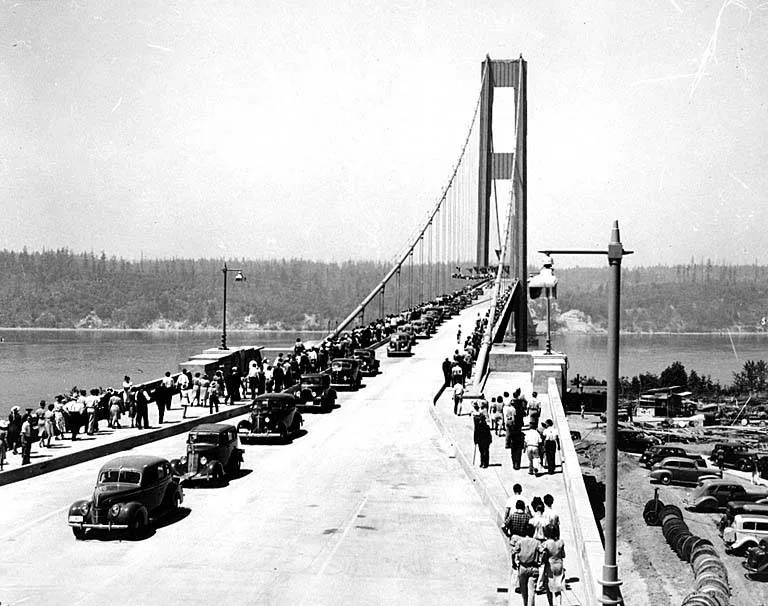
The Collapse in Puget Sound
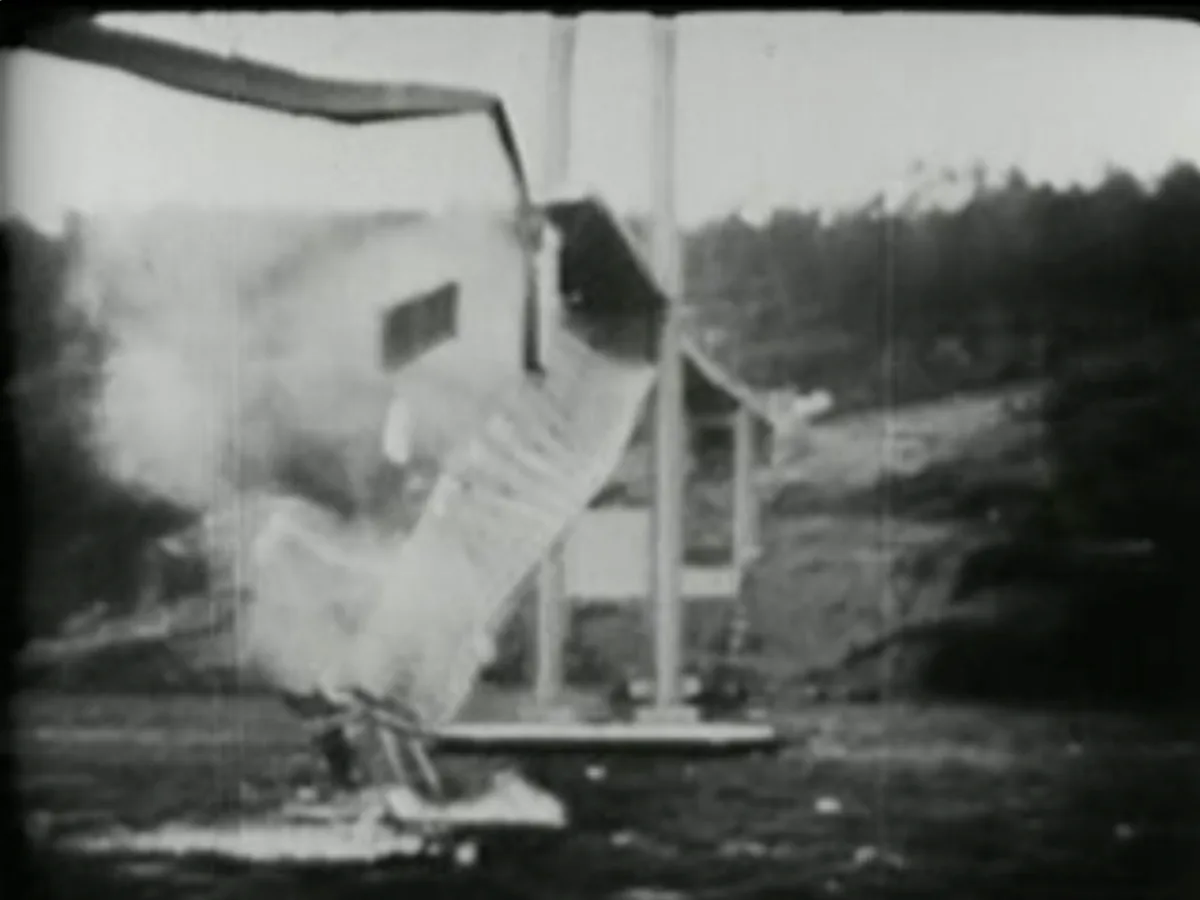
The original Tacoma Narrows Bridge in Puget Sound, Washington State, collapsed on November 7, 1940. On that day, a stiff gale set upon the area, which enhanced the rolling movement of the span. The main span gave way, sending a car belonging to Coatsworth and his daughter’s dog plummeting into the Narrows, where the water was reported to be over 100 feet deep.
Losses and Legal Issues
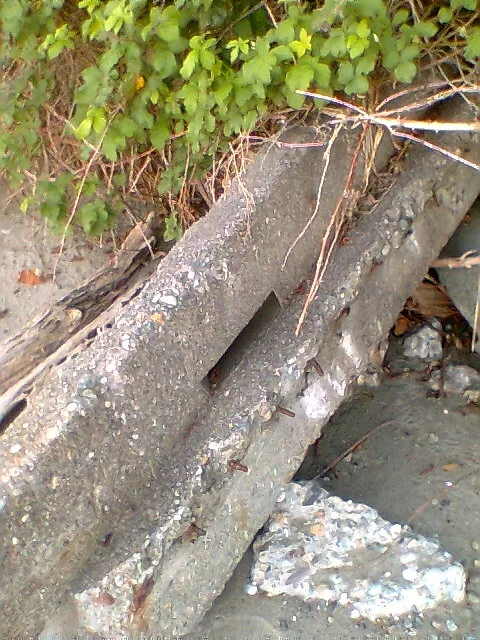
The dog, named Tubby, was partially paralyzed and missing a leg. Tubby perished when the car it was trapped in fell into the Narrows, and the remains were never found. Farquharson, a civil engineering professor at the University of Washington, was the last person on the bridge. The bridge was claimed as a total loss, with insurance policies covering 80% or $5,200,000 of the valuation. These insurance funds were set aside to help build a new bridge.
Financial Crime and Design Disputes
Following the event, newspapers were full of accounts of the collapse. Legal issues arose when Hallett R. French, an agent for the Merchants Fire Assurance Company, was charged with grand larceny for withholding premiums on $800,000 worth of insurance. Regarding the failure, chief engineer Clark Eldridge believed the unsound design resulted directly from the insistence of federal money-lending agencies that an eastern firm design the bridge.
Engineering Analysis of Failure
Consulting designer Leon Moisseiff believed the fall happened because engineers lacked enough knowledge about aerodynamics. Project engineers maintained the collapse was due to improper shape rather than improper strength. An investigative board reported in March 1941 that the cause of the collapse could not be identified until the wreckage had been torn down and studied. This board concluded that the type of floor, the girders, and the general proportions of the bridge were the primary reasons for failure.
Structural Causes and Deconstruction
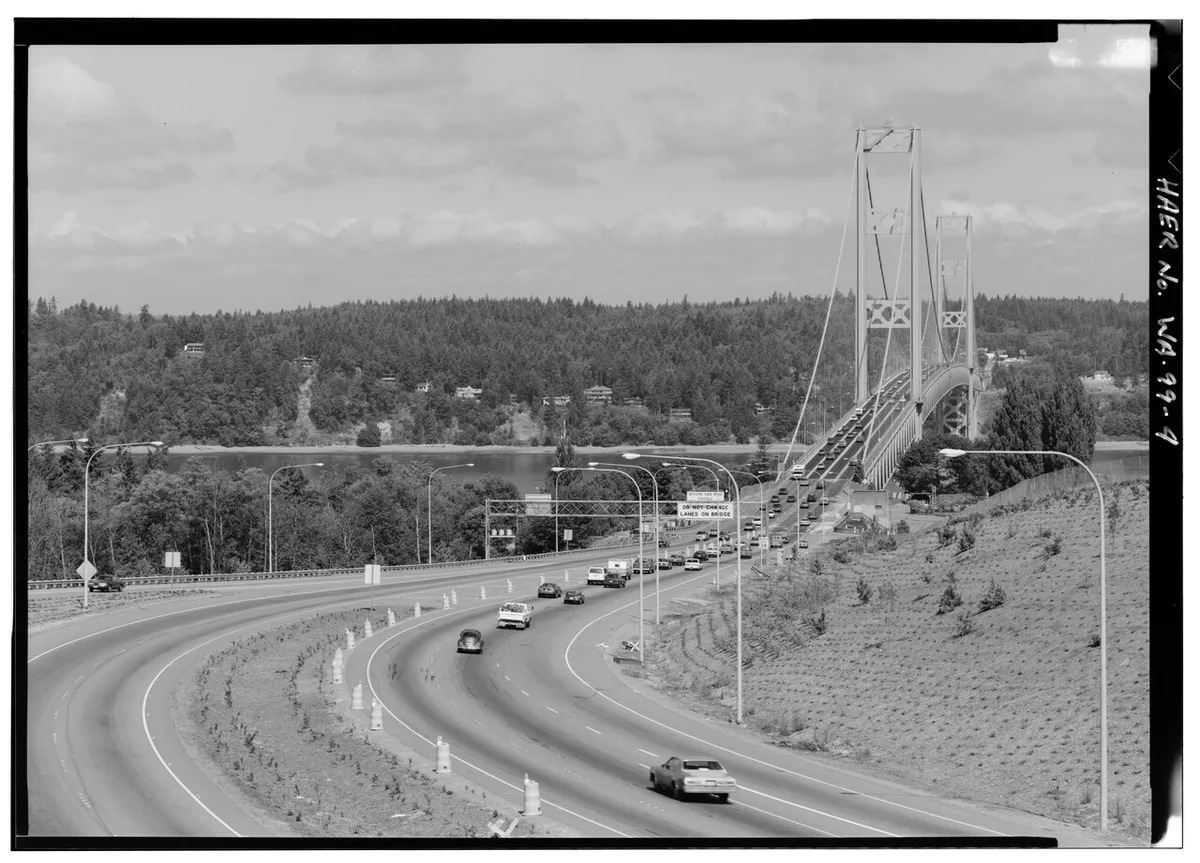
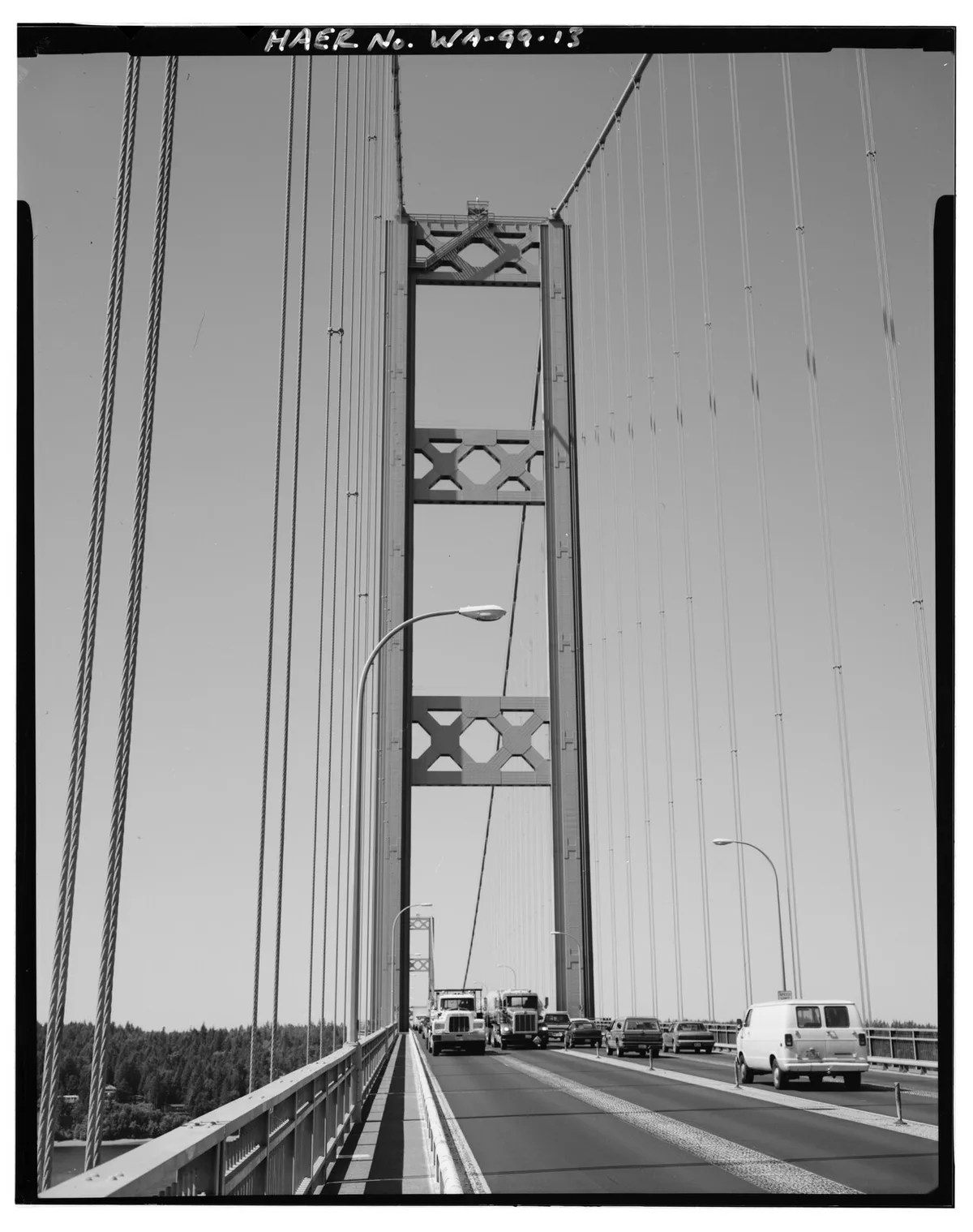
The solid girders made the bridge sensitive to wind forces that had been previously considered unimportant. The specific cause of the fall was the slippage of the center cable band on the north cable due to forces it was not strong enough to resist. While the center span fell, the approaches sagged. Two boards felt that repair was not possible. In December 1941, discussions on how to deconstruct the bridge stopped as steel supplies were redirected toward the war effort.
What the Record Shows
27 sourced claims in this story, resting on 2 sources. Numbers link to the bibliography below.
- The original Tacoma Narrows Bridge collapsed on November 7, 1940. - source: 1
- The bridge was located in Puget Sound, Washington State. - source: 1
- On November 7, a stiff gale set upon Puget Sound, enhancing the span’s rolling movement. - source: 1
- The main span gave way, sending Coatsworth’s car and his daughter’s dog plummeting into the Narrows. - source: 1
- The water was reported to be over 100 feet deep at that location. - source: 1
- The dog perished when the car it was trapped in plummeted into the Narrows. - source: 1
- Tubby was missing a leg and was partially paralyzed. - source: 1
- Farquharson was the last person on the bridge. - source: 1
- Farquharson was a civil engineering professor at the University of Washington. - source: 1
- The bridge was claimed as a total loss. - source: 2
- 80% or $5,200,000 of the structure’s valuation was covered by the insurance policies. - source: 2
- The funds from the insurance claims were put aside to help build the new bridge. - source: 2
- Tubby’s remains were never found. - source: 1
- Newspapers were full of accounts of the bridge collapse the day after it happened. - source: 2
- Hallett R. French, an agent for the Merchants Fire Assurance Company, was charged with grand larceny for withholding premiums on $800,000 worth of insurance. - source: 2
- Clark Eldridge, chief engineer for the bridge, felt that the federal money-lending agencies’ ‘insistence’ that the bridge be designed by an eastern firm led directly to the bridge’s unsound design. - source: 2
- The consulting designer, Leon Moisseiff, felt the fall occurred because engineers did not know enough about aerodynamics. - source: 2
- Engineers on the project maintained that the bridge’s collapse was due to improper shape and not improper strength. - source: 2
- An investigative board reported in March 1941 that the cause of the collapse could not be identified until the wreckage had been torn down and studied. - source: 2
- The board concluded that the primary reasons for failure were the general proportions of the bridge and the type of girders and floor. - source: 2
- The solid girders made the bridge sensitive to wind forces that had been previously considered unimportant. - source: 2
- The specific cause of the bridge’s fall was the slippage of the center cable band on the north cable due to forces it wasn’t strong enough to resist. - source: 2
- The center span of the bridge fell. - source: 2
- The approaches of the bridge sagged. - source: 2
- Both boards felt that repair of the bridge was not possible. - source: 2
- Discussions of the methods to be used in deconstructing the bridge were halted in December 1941. - source: 2
- Steel supplies were redirected towards the war effort. - source: 2
Archival Evidence & Picture Credits
- Opening day of the Tacoma Narrows Bridge, Tacoma, Washington (Public domain, University of Washington Libraries Digital Collections) - Wikimedia Commons file page
- GertieRemains 1 (CC BY 3.0, The original uploader was Timbabcock at English Wikipedia .) - Wikimedia Commons file page
- Tacoma Narrows still (Public Domain, Barney Elliot) - Wikimedia Commons file page
- ORIGINAL UNREPLACED APPROACH FROM FIRST SUSPENSION BRIDGE - Tacoma Narrows Bridge, Spanning Narrows at State Route 16, Tacoma, Pierce County, WA HAER WASH,27-TACO,11-32 (Public domain, Lowe, Jet, creator) - Wikimedia Commons file page
- GENERAL VIEW OF EASTERN APPROACH AND ROADWAY - Tacoma Narrows Bridge, Spanning Narrows at State Route 16, Tacoma, Pierce County, WA HAER WASH,27-TACO,11-4 (Public domain, Lowe, Jet, creator) - Wikimedia Commons file page
- EASTERN TOWER IN ELEVATION - Tacoma Narrows Bridge, Spanning Narrows at State Route 16, Tacoma, Pierce County, WA HAER WASH,27-TACO,11-13 (Public domain, Lowe, Jet) - Wikimedia Commons file page


